
Article & News
Prehab before knee replacement: exercise and home set-up before surgery
27/10/2026 · Khy Physio
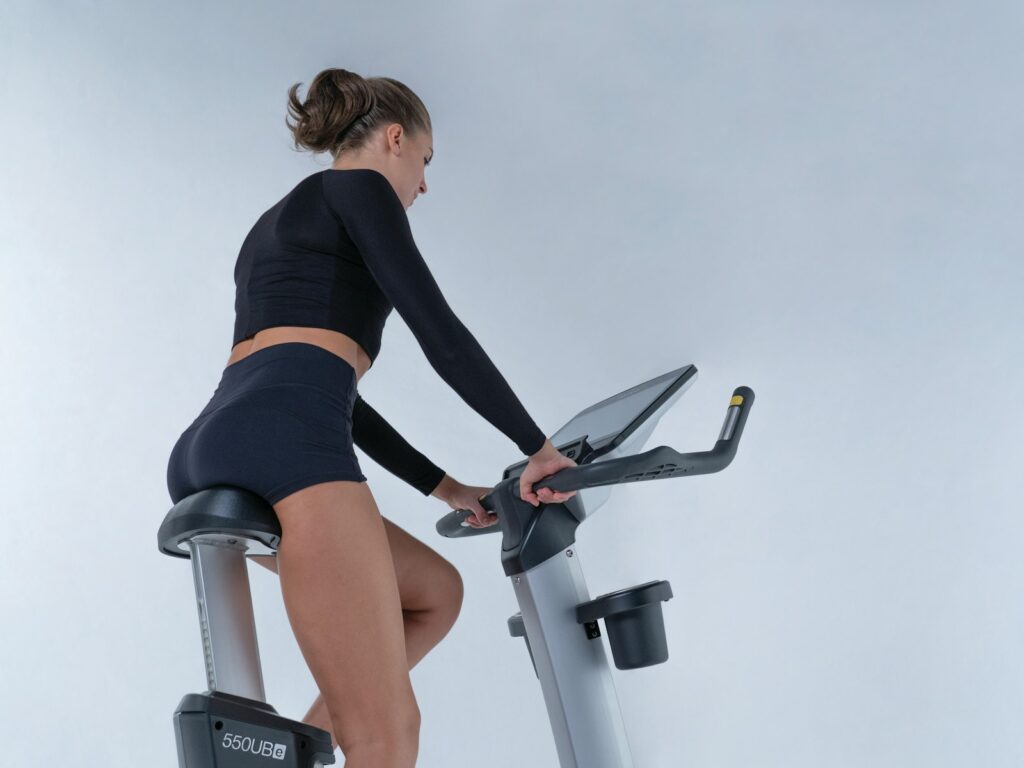
If you are on the list for a knee replacement, the weeks before surgery are a useful window. Prehab before knee replacement means exercising and preparing before your operation, so you go in as strong and as ready as you can be. It also gives you the chance to learn your exercises, practise with a walking aid and set up your home while you still have two good legs to do it.
This guide explains what prehab involves, what the research honestly says about it, exercises a physio commonly uses, and how to get your home ready. It is general information only, not medical advice. Always follow your surgeon’s instructions, and check with your GP or physiotherapist before starting a new exercise program.
The short answer
- Prehab is exercise and preparation before joint replacement surgery.
- A 2022 systematic review found low to very low certainty evidence that prehab improves knee function before surgery and up to 3 months after, compared with surgery alone. Longer-term effects were unclear.
- So prehab is not a guarantee of a faster recovery, but it is a low-risk way to prepare.
- Some of the biggest practical gains come from rehearsing what you will do after surgery and setting up your home in advance.
- The same principles apply before a hip replacement.
What is prehab?
Prehab, short for prehabilitation, usually includes:
- Strengthening the thigh, hip and calf muscles on both legs.
- Keeping the knee moving as well as it can, especially straightening.
- General fitness, such as walking or cycling within comfort.
- Upper body strength for pushing up from chairs and using a frame or crutches.
- Education and rehearsal: learning your post-op exercises and practising getting in and out of bed, chairs and the car.
- Home preparation, so the house is safe and practical when you come home.
What does the research say?
It is worth being honest here. A 2022 systematic review and meta-analysis in the Journal of Orthopaedic and Sports Physical Therapy found low to very low certainty evidence that prehab leads to better knee function before surgery and for up to 3 months afterwards, compared with having surgery without prehab. The long-term effects were inconclusive. A 2024 review in Disability and Rehabilitation found improvements after knee replacement in the pooled trials, but a high risk of bias and big differences between studies meant the authors could not draw firm conclusions.
In plain terms, prehab may help in the short term, and the research is still catching up. What prehab does reliably give you is a head start on learning your exercises, confidence with your walking aid and a home that is ready for you. Those are things that make the first days home easier.
Exercises a physio commonly uses before surgery
These are examples. Your physio will tailor them to your knee and general health. Move slowly, hold a stable surface for standing exercises, and stop if pain is sharp. Some discomfort in an arthritic knee is common, but exercise should not leave you much worse the next day.
1. Thigh tightening
- Sit or lie with your leg straight out in front of you.
- Tighten the muscle on the front of your thigh, pushing the back of your knee down towards the bed.
- Hold for a few seconds, then relax.
2. Straight leg raise
- Lie on your back on the bed with your other knee bent.
- Tighten your thigh, then lift your straight leg a short way off the bed.
- Lower slowly.
3. Heel slides
- Lie on your back on the bed.
- Slowly slide your heel towards your bottom, bending your knee as far as is comfortable.
- Slide back down to straight.
4. Seated knee straightening
- Sit tall in a firm chair.
- Straighten one knee until your leg is level, hold briefly, then lower slowly.
5. Sit to stand
- Sit near the front of a firm chair with armrests.
- Lean forward and stand, sharing the load between both legs and your hands on the armrests.
- Sit down slowly with control.
6. Seated push-ups
- Sit in a sturdy chair with armrests, hands on the rests.
- Push down through your hands to lift your bottom slightly off the seat.
- Lower slowly. This builds the arm strength you will use with a frame or crutches.
Practise what you will do after surgery
It is much easier to learn new skills before surgery than when you are sore and tired afterwards. Ask your physio to help you rehearse:
- Walking with the frame or crutches you will use, set to the right height.
- Getting in and out of your own bed, on the side you will use.
- Getting on and off your toilet and your usual chair.
- Getting in and out of the car.
- Stairs, if you have them at home.
Get your home ready
- Clear the walkways between your bed, bathroom, kitchen and lounge. Remove loose rugs and cords.
- Choose a firm chair with armrests at a height you can get up from easily.
- Move everyday items to bench height, so you are not bending down low or reaching up high.
- Add night lights between the bedroom and bathroom.
- Think about the bathroom. A shower chair, rails or a raised toilet seat may help. An occupational therapist can advise.
- Plan meals and help for the first days home.
Our guides on preparing your home for a physio visit and physiotherapy after knee replacement cover the next stage.
When to contact your surgeon or GP
- Your knee becomes hot, red and swollen, or you have a fever.
- You develop calf pain or swelling in one leg.
- You have a cut, sore or skin infection on the leg before your surgery date. Your surgeon needs to know.
- Your pain increases sharply or you can no longer walk safely.
Frequently asked questions
How long before surgery should I start prehab?
Whatever time you have is useful. Even a short lead-in lets you learn your exercises, set up your walking aid and prepare your home. Start as soon as you have a surgery date, or earlier.
Will prehab mean I leave hospital sooner?
We cannot promise that. The research is mixed, and your hospital stay depends on many things, including your surgery, your health and hospital routines.
Is prehab useful before a hip replacement too?
Yes. The same ideas apply: strength, practice and home preparation. Hip replacement may come with specific movement precautions, so check with your surgeon. See our guide to post-surgical rehabilitation.
Prepare for surgery at home
Our physiotherapists visit homes across Melbourne and the Geelong region before and after joint replacement surgery. Make a referral or contact our team on 03 8824 0712 to start your prehab.

Written by
Calvin Yung, Mobile Physiotherapist
Calvin is a mobile physiotherapist at Khy Physio with a special interest in geriatric care, including mobility, balance, falls prevention and recovery after joint replacement. He speaks English, Cantonese and Mandarin. Meet Calvin