
Physiotherapist
How to Prepare Your Home
for a Physiotherapy Visit.
One of the biggest benefits of mobile physiotherapy is that care comes to you — no travel, no waiting rooms, no disruption to your day. But to make the most of each session, a little preparation goes a long way.
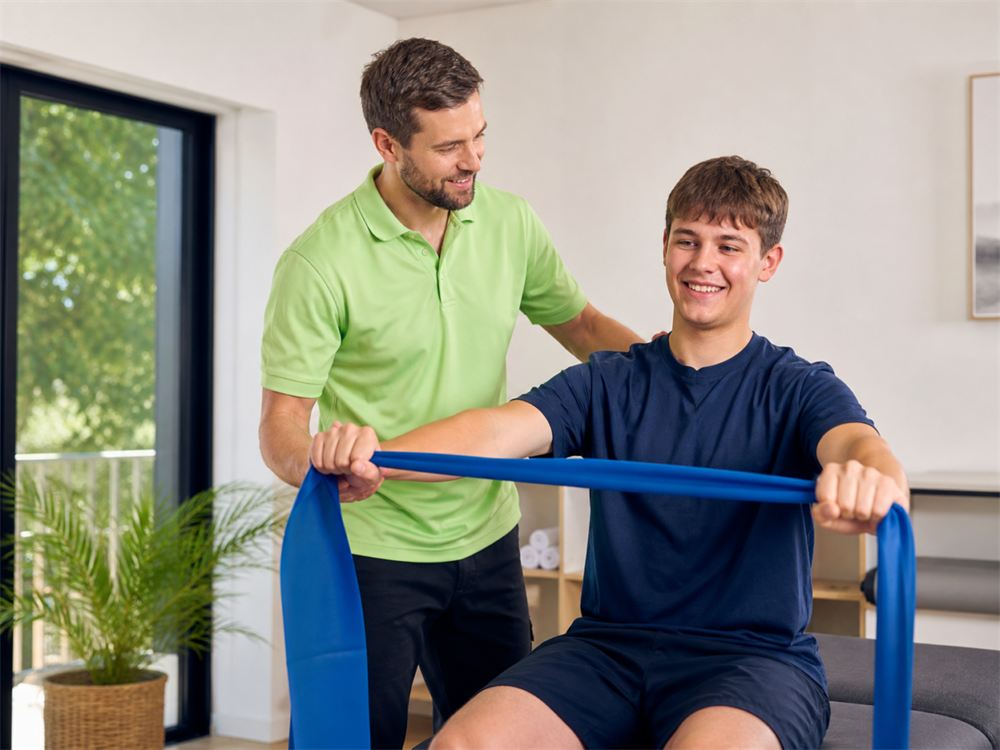
Getting ready for your session
Here’s what to have ready before your Khy Physio physiotherapist arrives.
Clear a suitable space
Your physiotherapist will need enough room to work comfortably alongside you. Before your appointment, move any furniture, rugs, or objects that could create a tripping hazard or restrict movement in the area where you’ll be working.
For most sessions, a clear floor space of roughly two metres by two metres is sufficient — enough room for lying down, stretching, or doing standing exercises with the physiotherapist beside you. A living room, bedroom, or lounge area usually works well.
If your session involves getting up and down from the floor, make sure that space is clear of coffee tables or low furniture that could be caught on the way up.
Have a chair ready
A sturdy chair without armrests is one of the most useful pieces of equipment for a home physio session. Many exercises — particularly those targeting the legs, hips, and core — are performed seated or use the chair as a support for standing work.
If you have a dining chair or a firm, stable seat, have it in the cleared space and ready to go. Avoid using low sofas or recliners for exercise purposes, as they make it harder to get in and out safely.
Wear comfortable clothing
You don’t need any special gear, but loose, comfortable clothing makes assessment and treatment easier. Shorts or tracksuit pants are ideal if your physiotherapist will be assessing your legs or hips. A loose-fitting t-shirt works well for shoulder or upper back sessions.
Avoid tight jeans or restrictive clothing that limits movement or makes it difficult for the physiotherapist to observe and access the area being treated.
Before Your Appointment
A few simple
things to do.
Small steps that help your physiotherapist make the most of your home visit.
Have your medications and medical history ready
If this is your first appointment, your physiotherapist will ask about your medical history, current conditions, any recent surgeries, and medications you’re taking. Having this information ready — even just a written note or a current medication list — saves time and helps your physiotherapist tailor your session correctly from the start.
If you have any recent scan results, discharge summaries from hospital, or referral letters from your GP or specialist, have those available too. They can provide valuable context for your treatment.
Let someone know you have an appointment
If you live alone, it’s good practice to let a family member or neighbour know when your appointment is. This is particularly relevant for older clients or anyone managing a condition that affects balance or mobility.
Your physiotherapist is trained to work safely in home environments, but having someone aware of your appointment is simply sensible planning — especially for the first session.
Secure pets
If you have dogs or cats, securing them in another room during the session helps everyone focus. An excited dog jumping up during a balance exercise, or a cat walking across your exercise mat, can interrupt the session and create an unintended trip hazard.
Most pets settle quickly once the session is underway, but having them contained for the first visit makes things easier.
Make it count
Note down your goals and questions
Take a few minutes before your appointment to think about what you most want to improve. Is it getting up from a chair more easily? Reducing pain in a specific area? Feeling more confident walking outside? Having a clear idea of your priorities helps your physiotherapist structure the session and set relevant goals with you.
If you have questions about your condition, your treatment plan, or what to expect from mobile physiotherapy, write them down so you don’t forget them once you’re in the session.
It can help to keep your list short and focused. A few useful prompts to consider:
On the Day
What to expect on the day
Your physiotherapist will arrive at your scheduled time and introduce themselves. For a first appointment, they’ll begin with an assessment — asking questions, observing your movement, and testing strength, flexibility, or balance depending on your condition. This usually takes 15–20 minutes.
From there, they’ll discuss their findings with you and begin treatment or exercise guidance. At the end of the session, you’ll typically receive a home exercise program to work on between visits.
The whole process is relaxed and unhurried. You’re in your own home, and your physiotherapist will work at a pace that suits you.
Get in touch
Ready to get started?
A few minutes of preparation helps your first session run smoothly — but if something isn’t quite ready when we arrive, that’s perfectly fine too. Our physiotherapists are used to working in all kinds of home environments and will help you set up on the day.
Khy Physio provides evidence-based mobile physiotherapy across Melbourne, bringing expert care directly to your door. If you’d like to find out how we can help, get in touch with our team to arrange your initial assessment and we’ll find a time that suits you.

Written by
Calvin Yung, Mobile Physiotherapist
Calvin is a mobile physiotherapist at Khy Physio with a special interest in geriatric care, including mobility, balance, falls prevention and recovery after joint replacement. He speaks English, Cantonese and Mandarin. Meet Calvin
Ready when you are
Let’s get you moving.
Book an appointment or call us — we’ll arrange a home visit that suits you, anywhere across Melbourne.