
Article & News
Physiotherapy After Knee Replacement at Home
01/06/2026 · Khy Physio
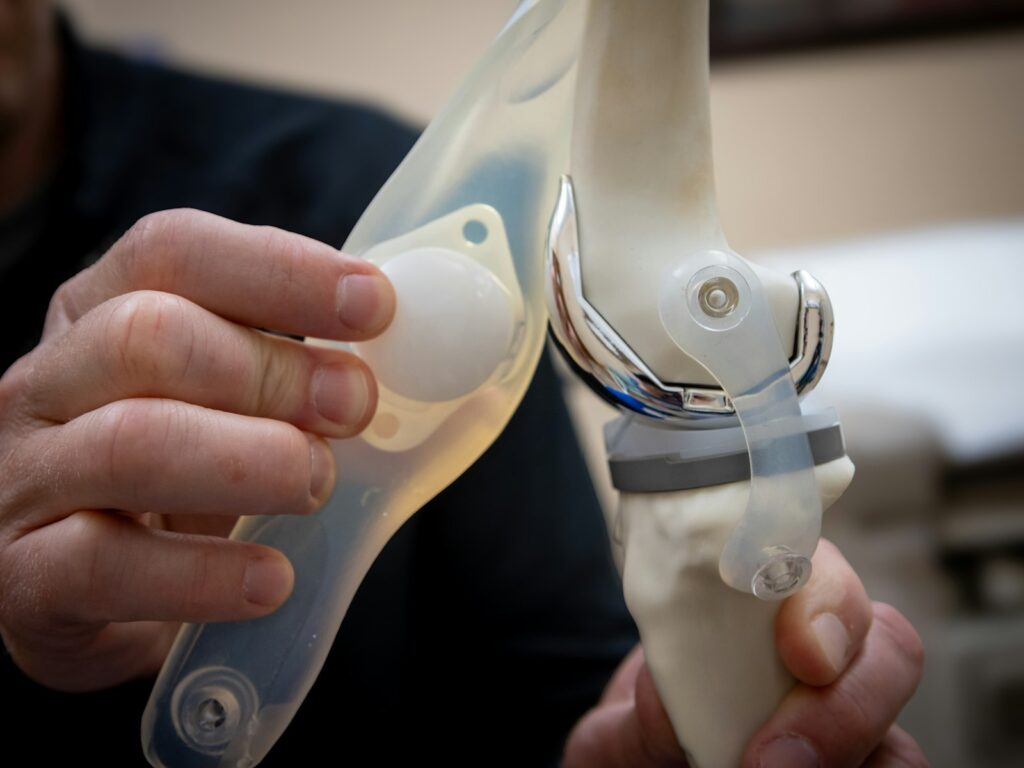
A total knee replacement is a big step, and the weeks that follow are where much of your result is shaped. Good physiotherapy after knee replacement at home helps you regain movement, rebuild strength and get back to walking with confidence, at a pace that suits you.
This is general information for people recovering across Melbourne and the Geelong region. It is not personal medical advice. Always follow the plan set by your surgeon and treating physiotherapist, and see your GP or go to hospital for anything that worries you.
What home rehab actually looks like
Once you leave hospital, most of your recovery happens at home rather than in a clinic. A mobile physiotherapist comes to you, watches how you move around your own kitchen, hallway and bathroom, and tailors your exercises to your real surroundings. That matters, because the goal is not just a bendy knee on a treatment table, but a knee that lets you stand from your favourite chair, manage your steps and get to the letterbox safely.
Home rehab after a knee replacement usually works on four things at once: range of motion (how far the knee bends and straightens), strength (especially the thigh muscles), swelling and pain control, and walking. None of these happens in isolation, and progress in one area tends to unlock the others.
Range of motion: bending and straightening
Two movements deserve equal attention, and people often overlook the second one.
Getting the knee to bend (flexion)
Bending lets you sit, climb stairs and get in and out of a car. Early on, gentle bending exercises such as heel slides, supported knee bends in sitting, and letting the knee hang over the edge of a bed all help. It is normal for this to feel tight and uncomfortable, but it should not be sharp or alarming. Your surgeon and physiotherapist will set the range-of-motion targets that are right for you and check your progress against them, rather than you working to a fixed number.
Getting the knee to straighten (extension)
Full straightening is just as important and easier to lose. If the knee sits slightly bent all the time, walking becomes harder and the thigh muscle stays weak. Simple positions, such as resting the heel on a rolled towel with the knee unsupported so gravity gently straightens it, are commonly used. Try not to prop a pillow directly under the knee for long periods, as that encourages it to stay bent.
Strength: waking up the thigh muscle
After surgery the quadriceps (the muscle on the front of your thigh) often switches off and feels weak. A large part of early physiotherapy is coaxing it back. Common starting exercises include quad sets (tightening the thigh and pushing the back of the knee down), straight leg raises, inner-range work and, as you progress, sit-to-stand practice from a firm chair.
As pain and swelling settle, your physiotherapist gradually adds load: standing exercises, step work, gentle resistance and balance training. The aim is functional strength, so you can stand up without pushing off your arms, walk without a limp and manage steps in both directions. This progression fits naturally with physiotherapy for older adults, where steadiness and confidence matter as much as raw strength.
Swelling: expected, and manageable
Swelling around the knee, and sometimes down into the ankle and foot, is normal after a knee replacement and can last for weeks or even months. It is not a sign you have done anything wrong. Managing it well makes everything else easier, because a swollen knee is a stiff, sore, weak knee.
Common, gentle strategies include:
- Elevation: lie down and rest the leg up on pillows so the ankle is higher than the hip, several times a day.
- Ice: a wrapped cold pack for around 15 to 20 minutes can ease pain and swelling. Never put ice straight onto skin, and take extra care if the sensation in your leg is reduced.
- Movement: gentle ankle pumps and regular short walks help swelling drain rather than pool.
- Pacing: if the knee is much more swollen and sore by evening, you may have done a little too much that day. Ease back slightly rather than stopping altogether.
Seek prompt medical advice if you notice increasing redness, heat or discharge from the wound, a fever, or calf pain, swelling and warmth, as these can signal an infection or a blood clot. If you have sudden chest pain or shortness of breath, call 000.
Walking: from frame to freedom
Walking is one of the best things you can do after a knee replacement, and it usually progresses steadily. Most people start with a walking frame or crutches and, as strength and confidence build, move to a single stick and then to walking unaided. Your physiotherapist guides how much weight to put through the leg and when to step down to the next aid, so you are not left guessing.
Little and often works better than one long, exhausting walk. Short, regular walks around the home, then to the front gate, then a little further along the street help rebuild both fitness and confidence. A mobile physiotherapist can also check your footpaths, steps and any trip hazards, which links closely with the practical home-safety work in aged care physiotherapy.
Realistic milestones (and why yours may differ)
Every knee, and every person, recovers at their own pace. Age, general health, how the knee was before surgery and how much muscle you had to start with all play a part. With that firmly in mind, a broad, general picture often looks something like this:
- Weeks 1 to 2: settling pain and swelling, gentle bending and straightening, waking up the thigh muscle, and safe walking with a frame or crutches.
- Weeks 3 to 6: range of motion improves, many people move to a single stick or off aids, and daily tasks start to feel easier.
- Weeks 6 to 12: strength and walking distance build, balance work steps up, and stairs and getting in and out of a car become more comfortable.
- 3 to 12 months: continued strengthening and a return to low-impact activities such as walking, cycling, swimming, bowls or gardening. Full recovery can take up to a year, and that is normal.
If your progress feels slower than these general ranges, it does not mean something has gone wrong. It is a good reason to speak with your physiotherapist, who can adjust the plan rather than push you through pain.
Funding your home rehab
The cost of in-home physiotherapy after a knee replacement can often be covered through a range of schemes, depending on your situation. Options many of our clients use include a Home Care Package, the Support at Home program, the NDIS where eligible, and DVA support for veterans. Private health, TAC, WorkCover and Medicare care plans may also apply. If you are not sure which fits you, our team can talk it through, and you can see an overview on our funding and pricing page.
Frequently asked questions
How soon after surgery should physiotherapy start at home?
Rehab usually begins in hospital within a day of surgery, and it is best to continue it at home without a long gap. Starting your home exercises and walking early, guided by a physiotherapist, gives you the best chance of a comfortable range of motion. Your surgeon and physiotherapist will confirm the right timing for you.
Is it normal for my new knee to still hurt and swell weeks later?
Yes. Ongoing aching, stiffness and swelling for several weeks to a few months is very common and does not usually mean anything is wrong. What matters is the overall trend improving over time. Sudden severe pain, spreading redness, fever, or calf pain and swelling are different, and should be checked promptly.
Do I really need home physio, or can I just do the exercises myself?
Doing your exercises independently is important, but a physiotherapist makes sure you are doing the right ones, at the right intensity, and progressing at the right time. They also catch problems early, such as a knee that is not straightening, and adjust your walking aids so you stay safe. This tends to lead to a better result than going it alone.
Which suburbs do you visit for knee replacement rehab?
Our physiotherapists travel to homes, retirement villages and aged-care settings across Melbourne and the Geelong region. You can check your suburb on our areas we serve page, and if you are not sure, just ask the team.
Ready to get moving again?
You do not have to navigate knee replacement recovery on your own. Our friendly physiotherapists come to you, build a plan around your home and your goals, and support you through every milestone. To arrange an in-home assessment, book a visit through our referral form or get in touch with our team. We would love to help you walk comfortably and confidently again.

Written by
Calvin Yung, Mobile Physiotherapist
Calvin is a mobile physiotherapist at Khy Physio with a special interest in geriatric care, including mobility, balance, falls prevention and recovery after joint replacement. He speaks English, Cantonese and Mandarin. Meet Calvin