
Article & News
Spinal compression fracture: recovering safely at home
30/10/2026 · Khy Physio
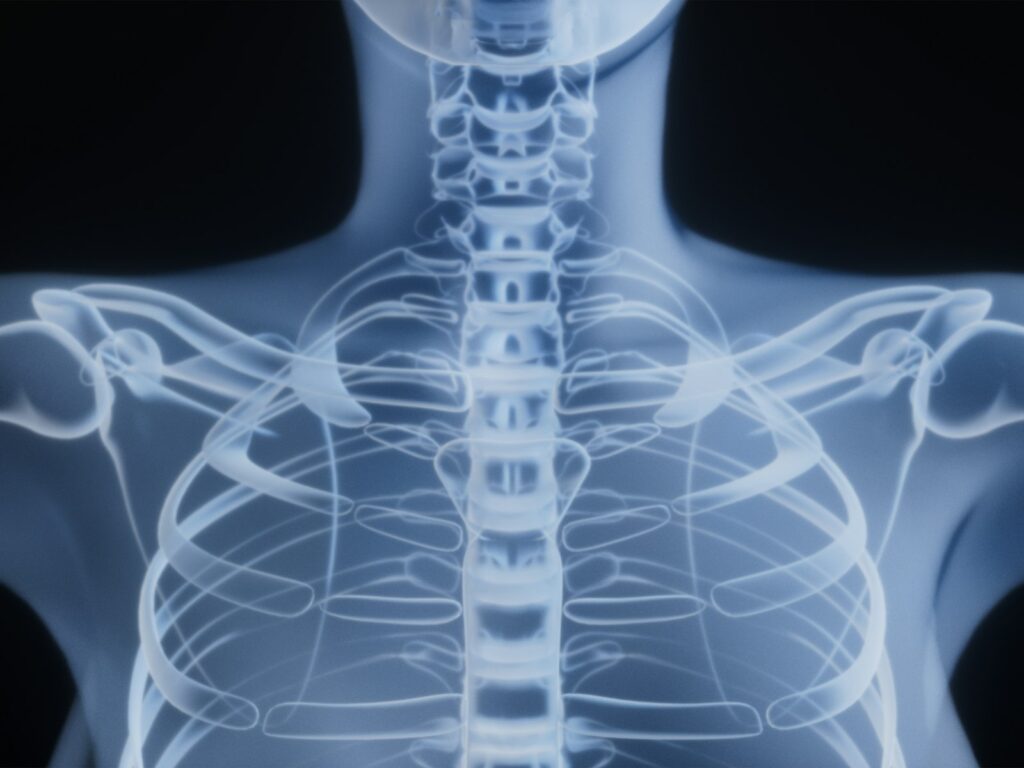
A spinal compression fracture happens when one of the bones in your spine partly collapses. In older adults it is usually linked to osteoporosis, and it can happen after a minor trip, fall or similar small incident that would not break a healthy bone. The pain can be severe at first, and many people worry about moving in case they make it worse.
With the right guidance, gentle movement is an important part of recovery. This guide explains what a compression fracture is, how to move safely in the first weeks, the exercises physios commonly use for posture and back strength, and how to lower your risk of another fracture. It is general information only, not medical advice. Please follow your doctor’s advice and see your GP or physiotherapist about your own situation.
The short answer
- Healthy Bones Australia notes that osteoporosis fractures most commonly affect the hip, spine and wrist, and that spinal fractures can lead to height loss or changes in posture.
- Anyone over 50 who breaks a bone from a minor bump or fall should be investigated for osteoporosis.
- Expert consensus recommends moderate rather than vigorous activity after a spinal fracture, daily balance training, and endurance exercise for the back muscles.
- Learning “spine-sparing” ways to bend, lift and move, such as the hip hinge, is preferred over long lists of generic restrictions.
- New, severe back pain, leg weakness or numbness, or bladder or bowel changes need urgent medical attention.
What is a compression fracture?
The bones of your spine (vertebrae) are stacked like blocks. When bone becomes thin and fragile, a vertebra can collapse under load, often more at the front than the back, giving it a wedge shape. This is a vertebral compression fracture.
Healthy Bones Australia explains that osteoporosis usually has no symptoms until a fracture occurs, that the hip, spine and wrist are the most common fracture sites, and that fractures in the spine can result in height loss or changes in posture. It also advises that anyone over 50 who breaks a bone from a minor bump or fall should be investigated for osteoporosis.
The first weeks: moving safely
Your doctor will guide pain relief and tell you about any precautions. Within those instructions, these principles help most people:
- Keep moving little and often. Short walks around the house, several times a day, are usually better than long periods in bed.
- Find comfortable resting positions. Lying on your back with pillows under your knees, or on your side with a pillow between your knees, often feels best.
- Use a walking aid if you need it. A frame or stick can take some load and give you confidence.
- Avoid lifting, bending and twisting while pain is high.
Getting out of bed with a “log roll”
- Bend your knees up, then roll onto your side in one piece, with your shoulders and hips moving together.
- Let your legs slide over the edge of the bed.
- At the same time, push up with your arms to bring your body upright to sitting.
- Sit for a moment before standing. Reverse the steps to lie down.
What the evidence says about exercise
An international expert panel developed the Too Fit To Fracture recommendations on exercise for people with osteoporosis, with and without spinal fractures. Key points include:
- After a spinal fracture, moderate-intensity physical activity is preferred to vigorous activity.
- Daily balance training and endurance training for the back (spinal extensor) muscles are recommended for everyone with osteoporosis.
- Guidance on spine-sparing techniques, such as the hip hinge, is recommended over generic restrictions like “never lift more than a certain weight”.
- For people with a spinal fracture, especially with pain, multiple fractures or a very rounded upper back, the risks of many activities may outweigh the benefits, and a physiotherapy consultation is recommended.
Exercises for posture and back strength
These are gentle examples often used once the acute pain has started to settle. Check with your physio or doctor before starting. Move slowly, breathe normally, keep a stable surface nearby for standing exercises, and stop if pain becomes sharp or you feel unsteady.
1. Chin tucks
- Sit tall in a firm chair.
- Gently draw your chin straight back, as if making a double chin, keeping your eyes level.
- Hold for a few seconds, then relax.
2. Shoulder blade squeezes
- Sit or stand tall with your arms relaxed.
- Gently draw your shoulder blades back and down.
- Hold for a few seconds, then relax.
3. Sitting tall hold
- Sit towards the front of a firm chair, away from the backrest.
- Sit up as tall as is comfortable, as if a string is lifting the top of your head.
- Hold this position for a comfortable period, gradually building the time. This builds endurance in the back muscles.
4. Heel raises at the bench
- Stand at the kitchen bench, holding on with both hands.
- Rise onto your toes, then lower slowly.
5. Standing balance
- Stand at the bench with your feet close together, holding on lightly.
- When steady, try one foot half a step in front of the other.
- Build the time you can hold each position.
Moving well and preventing the next fracture
The hip hinge lets you bend using your hips and legs while your back stays long:
- Stand with your feet hip-width apart, close to what you need to reach.
- Keep your back straight and push your bottom backwards, bending at the hips and knees.
- Reach down only as far as is comfortable, then push through your legs to return to standing.
Other everyday tips: carry things close to your body, split heavy loads into smaller ones, use a long-handled reacher for things on the floor, and move your feet to turn rather than twisting your spine.
After a fracture, protecting your bones matters even more. Ask your GP about a bone density scan and bone-strengthening treatment, and work on strength and balance to reduce falls. Our guides to safe exercise with osteoporosis and falls prevention at home explain more.
When to see your doctor urgently
- Sudden, severe back pain, especially after a fall or minor strain. Call 000 if the pain follows a fall and you cannot move.
- New numbness, tingling or weakness in your legs.
- Loss of control of your bladder or bowel, or numbness between the legs.
- Back pain with fever, unexplained weight loss or a history of cancer.
- Pain that keeps getting worse instead of gradually settling.
Our article on lower back pain lists further red flags.
Frequently asked questions
How long does a compression fracture take to heal?
It varies with the fracture, your bone health and your general health. Your doctor will guide you, and your physio will progress your activity as your pain allows.
Should I wear a back brace?
Some doctors prescribe a brace for comfort in the early stages. Follow your own doctor’s advice on whether you need one and for how long.
Can I have physio at home after a spinal fracture?
Yes. A home visit is often easier when pain makes travel difficult, and your physio can help you set up safe ways to get in and out of bed, chairs and the shower. See our seniors physiotherapy service.
Move with confidence again
Our physiotherapists visit homes across Melbourne and the Geelong region to help people recover safely from spinal fractures. Make a referral or contact our team on 03 8824 0712.

Written by
Calvin Yung, Mobile Physiotherapist
Calvin is a mobile physiotherapist at Khy Physio with a special interest in geriatric care, including mobility, balance, falls prevention and recovery after joint replacement. He speaks English, Cantonese and Mandarin. Meet Calvin