Article & News
Osteoporosis Exercises: A Safe Guide for Bones
17/05/2026 · Khy Physio
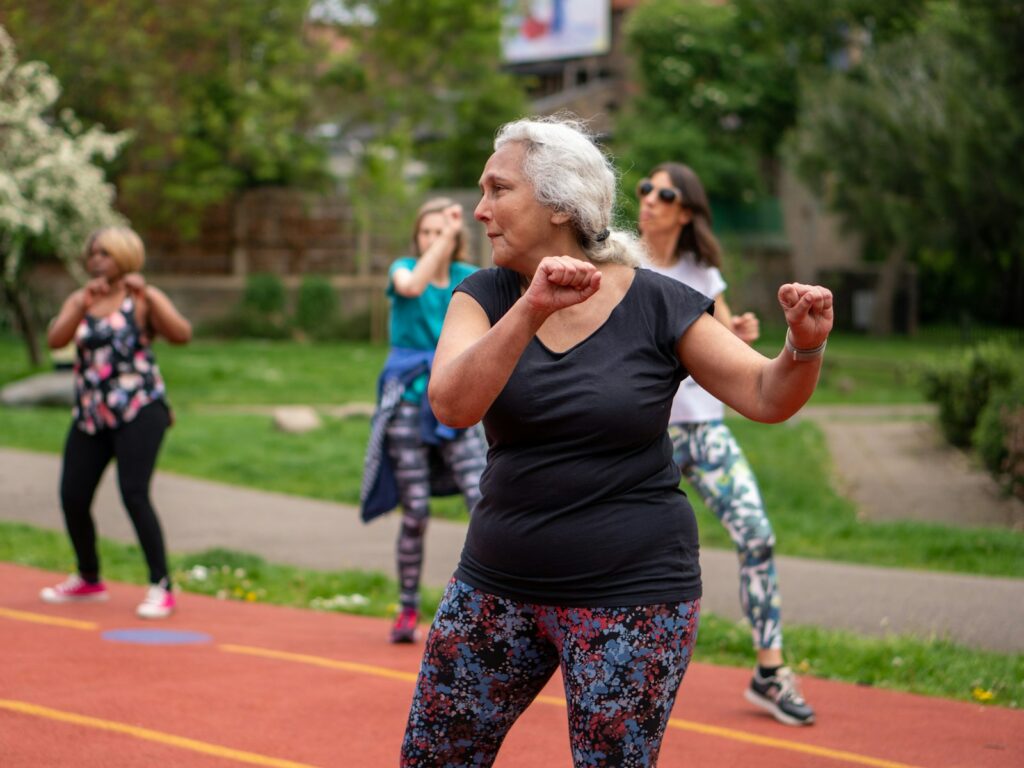
If you have been told your bones are thinning, it is natural to wonder whether exercise is safe at all. The reassuring news is that the right movement is one of the best things you can do for your bones, your posture and your confidence on your feet. This guide explains which osteoporosis exercises tend to help, which movements to approach with care, and why a plan built around your bones matters.
Why exercise matters for bone health
Bone is living tissue that responds to the loads you put through it. That is why safe, purposeful exercise can help slow bone loss, build muscle strength and lower the chance of a fall or fracture. For older adults it does something else just as valuable: it keeps you steady, strong and independent at home. The aim is not to push into pain or to lift heavy weights unsupervised, but to load your bones and muscles in a controlled, gradual way.
Three types of exercise are generally recommended for people managing osteoporosis or osteopenia (lower-than-normal bone density): strength (resistance) training, weight-bearing activity, and balance and posture work. Most people benefit from a mix of all three, built up over time.
Safe strength training for stronger bones
Resistance training, where your muscles work against a load, is a cornerstone of bone health. Working the muscles that attach to your hips, spine and wrists helps stimulate those bones and supports your posture. You do not need a gym to start; many effective exercises use a resistance band, light hand weights, or your own body weight.
Gentle, home-friendly options to build up to include:
- Sit-to-stand from a chair — strengthens the thighs and hips and mirrors a movement you use all day.
- Heel raises at the kitchen bench — builds calf and ankle strength for steadier walking.
- Wall or bench push-ups — work the arms, chest and upper back without lying on the floor.
- Seated or standing band rows — draw the shoulder blades back to support an upright posture.
- Hip and leg strengthening with a band around the thighs.
The key principle is progressive overload: as an exercise starts to feel easy, you gradually add a little more resistance or a few more repetitions, so you keep making gains rather than plateauing. Getting that dose right for your bone density and fitness is exactly what a physiotherapist can help with. If you are not sure where to begin, physiotherapy for seniors can start you at a level that feels manageable and build from there.
Weight-bearing and posture exercises
Weight-bearing activity means exercise done on your feet, so your skeleton carries your body weight. For many older adults, regular walking is a sensible foundation, along with gentle stair climbing or light marching on the spot while holding a rail. If your bones are more fragile or you have had a fracture, your physiotherapist may keep impact low and lean more on strength and balance.
Posture work is often overlooked but genuinely useful. Osteoporosis can gradually round the upper back, so exercises that strengthen the muscles between the shoulder blades and gently open the chest help you stand taller and ease strain on the spine. Simple options include:
- Squeezing your shoulder blades together while seated, holding for a few seconds.
- Gentle chin tucks to lengthen the back of the neck.
- Standing tall against a wall to practise a neutral, upright posture.
Balance training and fall prevention
With osteoporosis, avoiding falls is just as important as building bone, because most fractures happen when someone falls. Training your balance directly protects you. These exercises should always be done somewhere safe, with a sturdy bench, rail or kitchen counter within easy reach.
Gentle starting points include:
- Standing on one leg while lightly holding a bench for support.
- Heel-to-toe walking along the kitchen bench.
- Practising sitting down and standing up slowly and with control.
Small changes around the home reduce risk too: clear loose rugs and clutter, improve lighting on stairs and hallways, wear supportive well-fitting shoes rather than slippers, and have your eyesight and medications reviewed. A home visit lets a physiotherapist see the actual spaces you move through and suggest practical changes — a real advantage of in-home physiotherapy through Support at Home and similar programs.
Movements to approach with care
Some movements load the spine in ways that can raise the risk of a compression fracture when bones are fragile. These are not always off-limits, but they are best modified or checked with a professional first. In general, take care with:
- Strong forward bending of the spine — such as toe touches, sit-ups and full crunches. Bending from the hips with a straight back is usually safer for picking things up.
- Fast or loaded twisting of the spine — sudden rotational movements, or twisting while lifting something.
- High-impact, jarring activity — for fragile bones or a history of fractures, this may need to be avoided or kept very gentle.
- Heavy lifting with poor technique — the risk is less about the weight itself and more about a rounded back and a jerky movement.
These are general cautions, not fixed rules for everyone. What is safe depends on your bone density, your fracture history and your overall fitness — which is exactly why a personalised assessment is worthwhile. Someone with mild bone thinning and good balance can often do more than someone who has already had a spinal fracture, so a physiotherapist can pitch each exercise to challenge your bones enough to help while staying within safe limits for you, and progress it as you get stronger.
How in-home physiotherapy helps
In-home visits suit many older adults: there is no clinic to travel to, exercises are set up using your own furniture and space, and your physiotherapist can spot hazards around the house at the same time. Depending on your situation, this care may be supported through the NDIS, a Home Care Package, DVA or other funding, and our team can help you work out what applies to you.
When to seek prompt medical advice
Exercise should feel like effort, not pain. Stop and seek advice if you get new or worsening back pain, especially sudden severe pain, as this can occasionally signal a spinal compression fracture. Call 000 for red-flag symptoms such as sudden severe pain after a fall, chest pain, signs of a stroke (face drooping, arm weakness, slurred speech), or loss of bladder or bowel control alongside back pain. This article is general information only; for advice specific to you, check with your GP or physiotherapist before starting or changing an exercise program.
Frequently asked questions
Is it safe to exercise if I already have osteoporosis?
For most people, yes — appropriate exercise is actively recommended. The type and intensity should be matched to your bones and fitness, so it is worth having a physiotherapist tailor a program rather than guessing, particularly if you have had a fracture before.
What osteoporosis exercises should I avoid?
Take particular care with strong forward bending of the spine (like toe touches and sit-ups), fast or loaded twisting movements, and high-impact activity if your bones are fragile. These are often modified rather than avoided completely, depending on your situation, so it is best to check with a professional.
Can exercise actually strengthen my bones?
Safe, progressive strength and weight-bearing exercise can help slow bone loss, maintain muscle and improve balance, which lowers fracture risk. Changes build gradually over months, so consistency matters more than intensity. Exercise also works best alongside your GP’s advice about diet, vitamin D and any prescribed medication.
Do I need a referral to see a physiotherapist at home?
Not usually for private care, though some funding streams have their own requirements. You can visit our funding and pricing page to see what applies, or simply get in touch and we will guide you through the options for your area.
Ready to start safely?
You do not have to work out what is safe on your own. A qualified physiotherapist can come to your home, assess your bones, balance and posture, and set you up with a program that builds strength gently and helps protect you from falls. Book an in-home assessment or phone our friendly team today, and we will help you move with confidence.

Written by
Calvin Yung, Mobile Physiotherapist
Calvin is a mobile physiotherapist at Khy Physio with a special interest in geriatric care, including mobility, balance, falls prevention and recovery after joint replacement. He speaks English, Cantonese and Mandarin. Meet Calvin