
Article & News
The best shoes for balance in older age: what to look for
25/10/2026 · Khy Physio
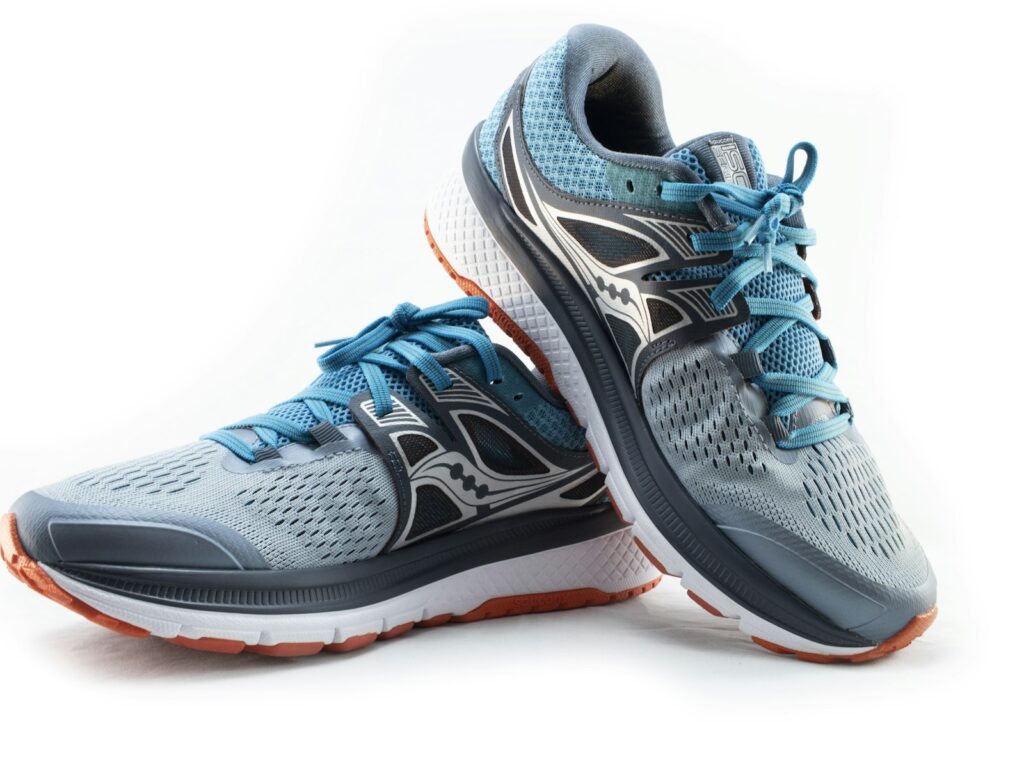
The shoes you wear every day, including the ones you pad around the house in, affect how steady you are on your feet. For older adults, the best shoes for balance are not the most expensive or the most cushioned. They are shoes that fit well, stay firmly on your foot, have a low heel and grip the floor.
This guide explains what research says about footwear and falls, gives you a simple checklist to take shopping, and covers slippers, fit and special situations like numb or swollen feet. It is general information only, not medical advice. If you have foot problems, diabetes or frequent falls, please see your GP, podiatrist or physiotherapist.
The short answer
- Walking indoors barefoot or in socks, and wearing high heels, have been shown to increase the risk of falls in older people.
- A review of the research recommends shoes with low heels and firm, slip-resistant soles, both inside and outside the home.
- Look for a secure fastening, an enclosed and firm heel, and the right length, width and depth.
- If you wear slippers, choose ones built like a shoe, not loose backless scuffs.
- If you have diabetes, numb feet or foot deformities, get advice from a podiatrist.
Why footwear matters for balance
A review by Australian falls researchers, published in the Journal of Rehabilitation Research and Development, explains that footwear affects balance in two main ways. It changes the feedback your feet send to your brain about the ground, and it changes the grip between your shoe and the floor. The review found that walking indoors barefoot or in socks, and wearing high heels indoors or outdoors, increase the risk of falls in older people. Other features, such as heel collar height, sole hardness, tread and heel shape, also influence balance and walking.
The same review noted that many older people wear shoes that are not ideal, which means better footwear is a simple, practical way to reduce falls risk. Based on the evidence, the authors recommended low heels and firm, slip-resistant soles, both inside and outside the home.
Your shoe-shopping checklist
- Low, broad heel. A low heel with a wide base keeps you stable. Avoid high or narrow heels.
- Firm, slip-resistant sole. Look for a sole with some tread. Very soft, thick, squashy soles can feel comfortable but may make you less stable.
- Secure fastening. Laces, a buckle or a hook-and-loop strap hold the shoe on your foot so it does not slip or twist.
- Enclosed, firm heel. Squeeze the back of the shoe. A firm heel cup holds your heel in place.
- Proper fit. The shoe should be the right length, width and depth for your foot, with no pressure points.
- Easy to put on. If bending is hard, choose shoes you can fasten easily, and use a long-handled shoe horn.
Slippers and indoor shoes
Home is where most of us spend the most time on our feet, so indoor footwear matters as much as outdoor shoes. Walking around in socks, stockings or bare feet on smooth floors reduces grip and feedback. Loose, backless slippers can slide off or catch on the edge of a rug or step.
If you like to wear slippers, choose a pair that behaves like a shoe: an enclosed heel, a fastening, a firm sole with some grip, and a snug fit. Some people keep a pair of supportive indoor shoes by the bed so they are not tempted to walk to the bathroom at night in socks. Pair this with a night light and a clear path. Our guide to falls prevention at home has a full room-by-room checklist.
Getting the fit right
- Measure both feet. Do not assume your size is the same as it was years ago. If one foot is bigger, fit the larger foot.
- Allow room for your toes. Diabetes Australia suggests a shoe should be about a thumb width longer than your longest toe, as well as the right width and depth.
- Try them on with the socks you usually wear, and with any orthotics you use.
- Walk around the shop. The shoe should feel secure straight away. Do not rely on shoes “wearing in”.
- Check your old favourites. Replace shoes when the tread is worn smooth, the heel has worn down on one side, or the back has collapsed.
Special situations
Diabetes or numb feet
If you cannot feel your feet well, you may not notice a shoe rubbing until a blister or sore has formed. Diabetes Australia recommends checking your feet daily and seeing your GP or podiatrist at least once a year for a thorough foot exam. A podiatrist can advise on footwear that protects your feet.
Swollen feet
If your feet swell during the day, adjustable fastenings help the shoe stay secure as your feet change. Tell your GP about new or worsening swelling.
Arthritic hands
If laces are difficult, hook-and-loop straps or elastic laces make fastening easier. See our article on arthritis in the hands for more help with grip.
Foot drop
If your toes catch or your foot slaps down when you walk, your shoe needs to work with any brace you wear. Read more about foot drop physiotherapy.
How a physio can help
At a home visit, a physio can look at the shoes and slippers you actually wear, watch you walk in them on your own floors and stairs, and test your balance. Shoes are one piece of the picture. Strength and balance exercises, a safe home layout and the right walking aid all work together to reduce falls.
When to see a health professional
- See a podiatrist or GP if you have corns, calluses, bunions, ingrown toenails, or sores or blisters that are slow to heal.
- See your GP if you notice numbness, burning or tingling in your feet, or new swelling.
- Seek urgent care for a foot that is red, hot and swollen, especially with fever, or for sudden swelling in one leg with calf pain.
Frequently asked questions
Are sneakers a good choice for older people?
Many walking shoes and sneakers tick most of the boxes: they fasten securely, have a low heel and a sole with grip. Check the sole is not overly soft or worn smooth, and that the heel is enclosed and firm.
Are thongs or slides okay?
They are not ideal for anyone with balance concerns. They have no fastening around the heel, so they can slip off or catch, much like backless slippers.
Should I buy special shoes for balance?
Not necessarily. An ordinary shoe that meets the checklist above is a good start. If you have a specific foot problem, a podiatrist can advise whether specialised footwear would help.
Feel steadier at home
Our physiotherapists visit homes across Melbourne and the Geelong region to assess balance, footwear and falls risk. Make a referral or contact our team on 03 8824 0712 to book a home visit.

Written by
Calvin Yung, Mobile Physiotherapist
Calvin is a mobile physiotherapist at Khy Physio with a special interest in geriatric care, including mobility, balance, falls prevention and recovery after joint replacement. He speaks English, Cantonese and Mandarin. Meet Calvin