
Article & News
Hand Arthritis Exercises: Physio Tips for Relief
02/04/2026 · Khy Physio
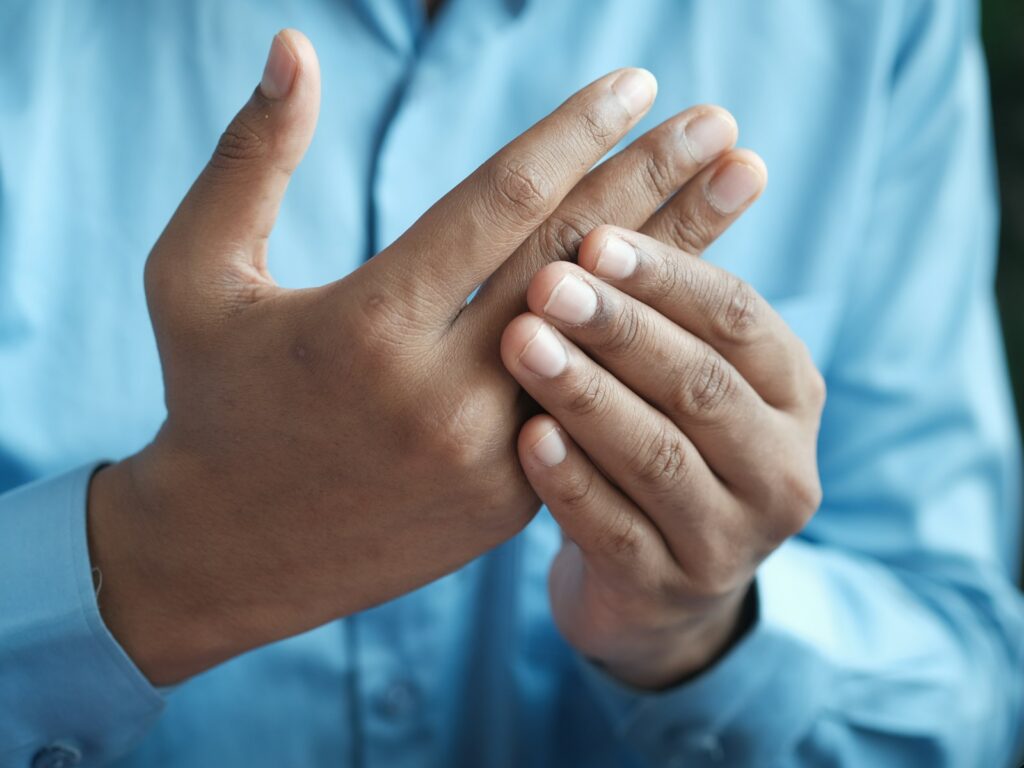
Stiff, achy or swollen hands can make everyday jobs like opening jars, doing up buttons or holding a cup feel much harder than they should. The good news is that gentle, regular movement and a few practical changes at home often help you keep your hands working comfortably. This guide shares simple hand arthritis exercises, joint-protection ideas and everyday aids for older adults living with osteoarthritis (OA) or rheumatoid arthritis (RA) of the hands.
Why movement matters for arthritic hands
When hands are painful, it is natural to want to keep them still. But too much rest can lead to stiffness, weaker grip and joints that feel harder to move over time. Gentle, regular movement helps keep the joints supple, maintains the strength you use for daily tasks, and can ease that “seized-up” feeling many people notice first thing in the morning.
Osteoarthritis of the hands often affects the base of the thumb and the small joints of the fingers, causing aching, stiffness and sometimes bony knobs around the joints. Rheumatoid arthritis is different — it is an inflammatory condition that can cause warm, swollen, tender joints, often on both hands, along with prolonged morning stiffness. The exercises below can suit both, but the intensity and timing may need adjusting, especially during an RA flare. A physiotherapist can tailor a programme to your hands and your goals.
Gentle hand and finger exercises to try
These movements should feel like gentle stretching and easy effort — never sharp pain. Warm hands move more easily, so many people find it helpful to do these after washing up in warm water or holding a warm (not hot) pack for a few minutes. Move slowly, breathe normally, and stop any exercise that causes lasting pain.
- Finger fist and open: Start with your hand open and fingers straight. Slowly curl your fingers into a soft fist with the thumb resting across the front, then gently open again. Repeat 5–10 times on each hand.
- Finger walking: Rest your palm flat on a table. One at a time, lift each finger a small way off the surface and lower it. This keeps the small joints moving without strain.
- Thumb-to-fingertip touches: Touch the tip of your thumb to the tip of each finger in turn, making a soft “O” shape each time. This helps the pinch grip you use for keys, zips and buttons.
- Thumb stretch: With your hand open, gently move your thumb across your palm towards the base of your little finger, then back out. Keep it comfortable — the base of the thumb is a common OA hotspot.
- Wrist bends: Rest your forearm on a table with your hand over the edge. Slowly move your hand up and down, then side to side, keeping the movement small and easy.
- Gentle spread: Place your hand flat and slowly spread your fingers apart, then bring them back together. A soft foam ball or a rolled facecloth can add a little light resistance once your hands feel ready.
Little and often works better than one long session. A short routine once or twice a day is plenty for most people. If a joint feels hot, very swollen or extra sore, ease right back and do only gentle movement within a comfortable range.
Protecting your joints during daily tasks
Joint protection is about working smarter so your hands do less of the strain. Small habit changes across the day can add up to real comfort, and they matter just as much as the exercises.
- Use bigger, stronger joints: Carry bags over your forearm or shoulder rather than gripping handles with your fingers. Push doors with your palm or forearm instead of pulling with fingertips.
- Spread the load: Hold a cup with both hands, or choose lighter mugs. Slide heavy pots rather than lifting them.
- Avoid a tight, sustained grip: Gripping hard for long periods — wringing cloths, holding a phone, using thin pens — can aggravate thumb and finger joints. Take breaks and loosen your grip often.
- Keep joints in a comfortable position: Try not to twist or bend joints to their limit under load, such as opening a stiff jar with a hard twist. Reach for an opener instead.
- Pace yourself: Break big jobs into smaller chunks with rest in between, rather than pushing through and paying for it later.
Aids and gadgets that make life easier
The right equipment takes pressure off sore joints and helps you stay independent. Many of these are inexpensive and available from pharmacies, hardware shops or independent-living suppliers.
- Chunky, built-up handles: Fatter grips on pens, cutlery, toothbrushes and razors are far easier to hold than thin ones. Foam tubing can be added to existing items.
- Jar and bottle openers: Wall-mounted or rubber grip openers save your thumbs from painful twisting.
- Button hooks and zip pulls: These help with dressing when fine finger movements are tricky. Elastic laces and slip-on shoes reduce fiddly tasks.
- Kitchen helpers: Electric tin openers, lightweight kettles, kettle tippers and non-slip mats reduce grip and lifting.
- Thumb and wrist splints: A small supportive splint can rest a painful thumb base during heavy tasks or at night. It is best fitted and advised by a physiotherapist or occupational therapist so it suits your hand.
An in-home assessment is a great way to spot exactly which aids will help you most, because the physiotherapist can see your kitchen, bathroom and daily routine and suggest changes that fit your real life. You can book an in-home visit and we will come to you.
Managing a flare-up
Flare-ups — when joints become more painful, swollen or stiff — happen to most people from time to time, and they usually settle. During a flare, be kinder to your hands rather than stopping altogether.
- Rest, but keep gently moving: Reduce the number of repetitions and the effort, but try to move each joint through a comfortable range so it does not stiffen up.
- Warmth or cool — whatever helps you: Many people find warmth soothing for stiff OA hands, while a cool pack (wrapped, never directly on skin) can calm a hot, swollen joint. Use whichever eases your symptoms.
- Protect and pace: Lean more heavily on your aids and joint-protection habits during a flare, and swap big jobs for smaller ones.
- Ask about pain relief: Speak with your GP or pharmacist about options that may suit you. This article is general information only, so it is best to get advice for your own situation.
See your GP promptly if a joint suddenly becomes hot, red and very swollen, if you feel generally unwell or feverish alongside joint pain, or if new symptoms are not settling — these can occasionally point to something that needs quicker attention. If you have severe pain with signs of serious illness, seek urgent care or call 000.
How mobile physiotherapy can help
A physiotherapist can assess your hand strength, movement and grip, then build a simple programme you will actually keep up with. They can also fit or advise on splints, recommend the most useful aids, and show carers how to support you safely. Because we come to you, there is no travel, no waiting room and no need to manage stairs or car trips on a sore day.
Our physiotherapists visit clients across Melbourne and the Geelong region, and support may be funded in several ways. If you are an NDIS participant, hand therapy can often be included in your plan. Older adults may be able to use a Home Care Package or the Support at Home programme to fund in-home visits. We also support DVA clients, and you can see our full funding and pricing options to work out what suits you.
Frequently asked questions
Will hand exercises make my arthritis worse?
Gentle, regular movement within a comfortable range does not wear your joints out — it usually helps keep them supple and maintains grip strength. You may feel some mild aching that settles soon after. Sharp pain, or soreness that lasts well into the next day, is a sign to ease back. A physiotherapist can set the right level for your hands.
How often should I do hand arthritis exercises?
Little and often is the aim. A short routine once or twice a day suits most people, and doing exercises when your hands are warm — for example after a warm wash — makes them more comfortable. Consistency over time matters more than long, intense sessions.
Should I use heat or cold on my hands?
Both can help, and it comes down to what eases your symptoms. Warmth often loosens stiff osteoarthritic hands before exercise, while a wrapped cool pack can calm a hot, swollen joint during a flare. Never apply anything very hot, and never place ice straight onto the skin.
Can a physiotherapist come to my home for hand arthritis?
Yes. Our mobile physiotherapists assess and treat hand arthritis right in your own home, so you avoid travel and appointments on sore days. We visit clients across Melbourne and the Geelong region — you can check the suburbs we serve to confirm we cover your area.
Ready to get more comfortable?
You do not have to put up with stiff, aching hands. A tailored programme, the right aids and a few joint-protection habits can make a real difference to your daily comfort and independence. To get started, book an in-home assessment or phone our friendly team — we would love to help you keep doing the things you enjoy.

Written by
Calvin Yung, Mobile Physiotherapist
Calvin is a mobile physiotherapist at Khy Physio with a special interest in geriatric care, including mobility, balance, falls prevention and recovery after joint replacement. He speaks English, Cantonese and Mandarin. Meet Calvin