
Article & News
Physiotherapy After Hip Replacement at Home
06/06/2026 · Khy Physio
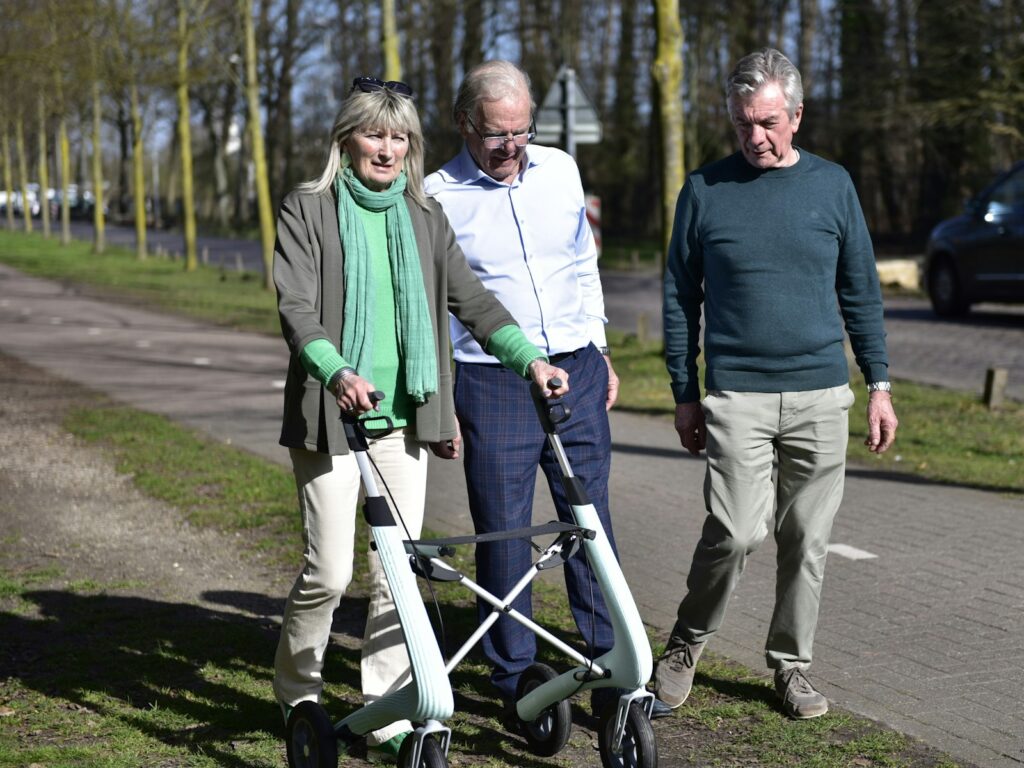
Coming home after a hip replacement is a big milestone, and the weeks that follow are where much of your recovery really happens. This general guide walks you through what to expect week by week, the common movement precautions, how exercises usually progress and when mobility aids tend to change — so you can feel more confident about the road ahead.
Every surgeon and every hip is a little different, so please treat the timelines below as a rough guide only. Your own surgeon and treating physiotherapist will give you instructions tailored to your surgery, and those instructions always come first.
What physiotherapy after hip replacement is trying to achieve
Good physiotherapy after hip replacement has a few simple goals: protect the new joint while it settles, get you moving safely and independently again, rebuild strength in the muscles around the hip, and help you return to the things that matter — walking to the letterbox, getting in and out of a chair, showering, gardening or seeing the grandkids.
Because Khy Physio is a mobile service, we come to you. That can be reassuring in early recovery, when getting to a clinic is tiring and awkward. We can watch how you actually move around your own home, check that chairs, beds and the bathroom are set up safely, and progress your program at your pace. You can book an in-home physiotherapy visit whenever you feel ready.
Common precautions after hip replacement surgery
Depending on the surgical approach your surgeon used, you may be given a set of movement precautions to follow, often for around the first six weeks. These are designed to protect the joint while the tissues around it heal. Not everyone is given the same precautions — some surgeons and approaches use very few — so follow the specific list your surgical team gave you, and ask if you are unsure.
Where precautions do apply (this is more common after a posterior approach), they often include:
- Not bending the hip up past about 90 degrees — so avoiding low chairs, deep sofas and bending right down to the floor.
- Not crossing your legs or bringing the operated leg across the middle of your body.
- Not turning the operated leg or foot inward, and avoiding pivoting on that leg when you turn.
Practical helpers early on often include a raised toilet seat, a firm chair with armrests, a long-handled reacher and a sock aid, and sleeping on your back with a pillow between or beside your legs. Some surgeons ask you to wait several weeks before sleeping on the operated side. Again, follow the specific advice from your surgical team.
A general week-by-week home recovery guide
The timeline below is a general picture, not a schedule you must hit. Some people move faster, some slower, and that is completely normal.
Days 1 to 7: settling in at home
Most people are up and walking with a frame or crutches within a day of surgery and are often home within a few days. In this first week the focus is gentle movement, managing swelling and pain, and doing your basic exercises little and often. Typical early exercises include ankle pumps, gentle buttock and thigh squeezes, and short, frequent walks around the house.
Keep moving regularly but rest when you need to. Watch for warning signs: sudden severe pain, a calf that becomes hot, swollen and painful, chest pain or breathlessness, a fever, or increasing wound redness, swelling or discharge. If any of these appear, seek urgent medical care or call 000, and contact your surgeon.
Weeks 1 to 3: building confidence with your aid
During these weeks the aim is smoother, more comfortable walking and steadily improving movement in the hip while staying within any precautions. You will usually still be using a frame or crutches. Exercises typically progress to controlled leg slides, supported standing exercises (such as hip abduction and gentle knee bends at the kitchen bench) and practising sitting to standing with good technique.
Weeks 3 to 6: more independence
Walking distances often increase, and many people move from crutches to a single walking stick around this time, guided by their physiotherapist. Strengthening exercises are gradually made harder — more repetitions, longer holds or a little resistance. Everyday tasks like dressing, light kitchen jobs and getting in and out of the car usually become easier, though precautions may still apply.
Weeks 6 to 12: returning to normal activity
Precautions are commonly reviewed and often eased around the six-week mark once your surgeon sees you — but wait for that clearance rather than assuming. From here, physiotherapy shifts toward restoring your normal walking pattern, improving balance, and building strength and endurance so you can manage stairs, longer walks and daily routines with less thought. Many people are walking without an aid by this stage, though not everyone, and that is fine.
Three months and beyond
By around three months, many people are back to most everyday activities. Full recovery — the last of your strength, stamina and confidence — can take up to a year. Continuing your exercises and staying active well beyond the early weeks is one of the best things you can do for your new hip.
How exercises typically progress
Rehabilitation usually moves through broad stages rather than jumping ahead. Early on it is about gentle activation and movement. The middle phase adds strengthening for the muscles that stabilise the hip — particularly the gluteal muscles on the side of the hip, which do a lot of work in walking and balance. Later, the focus turns to balance, walking quality and the specific tasks you want to get back to.
A physiotherapist’s job is to progress you at the right time — not too fast, not too slow. Pushing through sharp pain is not the goal; some muscle fatigue and mild soreness that settles afterwards is normal, but pain that lingers or worsens is a sign to ease back and check in. This is where regular home visits help, because we can adjust the program based on how you are actually going.
Mobility aids: what changes and when
Mobility aids are there to keep you safe and confident, and they change as you improve rather than on a fixed date:
- Frame or crutches: usually used for the first few weeks while your strength and balance return.
- Single walking stick: often introduced somewhere around weeks three to six, held in the hand opposite the operated leg.
- No aid: many people are walking unaided by around six to twelve weeks, once their walking pattern is steady and safe.
Try not to rush to ditch your aid to prove you are recovering — walking with a limp because you gave it up too early can slow you down. Let your physiotherapist help you judge the right moment.
Funding your recovery at home
In-home physiotherapy after a hip replacement may be funded a number of ways. If you are an older adult, a Home Care Package or Support at Home can often help cover physiotherapy, and physiotherapy for seniors is a large part of what we do. Veterans may be covered through DVA, and NDIS participants can use NDIS physiotherapy where recovery relates to their plan goals. If you are unsure what applies to you, our funding and pricing page explains the options, or you can simply get in touch with our team.
Frequently asked questions
How soon after a hip replacement can physiotherapy start at home?
Physiotherapy usually begins in hospital within a day of surgery, and home-based physiotherapy can start very soon after you are discharged. Starting your gentle exercises and safe walking early, within your surgeon’s instructions, is generally encouraged. Book an assessment once you are home and we can tailor a program to you.
How long will I need a walking aid?
As a general guide, many people use a frame or crutches for the first few weeks, move to a single stick around weeks three to six, and walk unaided somewhere between six and twelve weeks. Everyone is different, so your physiotherapist will help you progress at a pace that is safe for you rather than to a fixed date.
Is it normal to still have pain and swelling weeks later?
Some aching, stiffness and swelling that gradually improves is common for several weeks and often eases with movement, gentle exercise and rest. However, pain that is severe or worsening, a hot and swollen calf, fever, or wound redness or discharge are not expected — seek urgent medical care or call 000, and contact your surgeon. For anything specific to your recovery, it is best to have a physiotherapist or your GP assess you.
Do I really need physiotherapy if I feel like I am doing well?
Feeling good early is encouraging, but the muscles around the hip often stay weaker than they feel, which can affect your walking, balance and long-term outcome. A structured program helps you rebuild strength safely and reduces the chance of setbacks, so it is worth continuing even when you feel you are managing.
Ready to recover with support at home?
You do not have to navigate hip replacement recovery on your own. Our physiotherapists come to you across Melbourne and the Geelong region — you can check the suburbs we cover — and build a plan that fits your home, your goals and your funding. To get started, book an in-home assessment or phone our friendly team, and we will help you take the next confident step.

Written by
Calvin Yung, Mobile Physiotherapist
Calvin is a mobile physiotherapist at Khy Physio with a special interest in geriatric care, including mobility, balance, falls prevention and recovery after joint replacement. He speaks English, Cantonese and Mandarin. Meet Calvin