
Article & News
Hip fracture recovery at home: the first weeks after a broken hip
09/10/2026 · Khy Physio
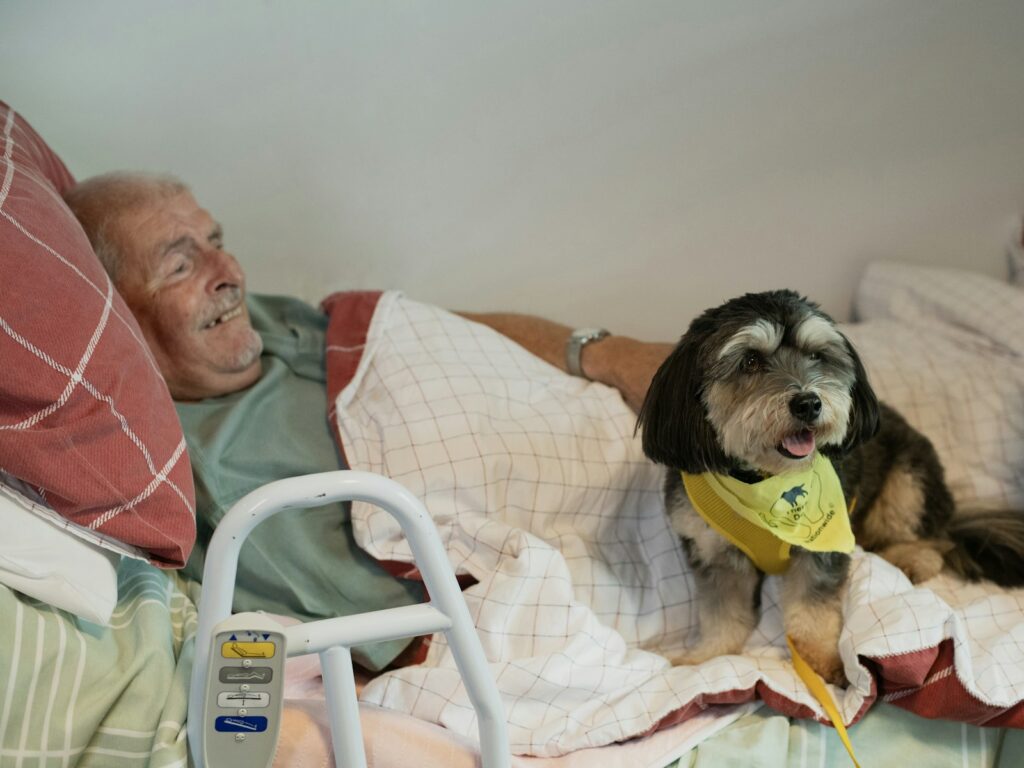
A broken hip is one of the most serious injuries an older person can have, and coming home from hospital is a big step. Hip fracture recovery is different from recovering after a planned hip replacement: it starts suddenly, usually after a fall, and the person often has other health issues to manage at the same time. The first weeks at home are when walking, strength and confidence are rebuilt, and when preventing another fall matters most.
This guide explains what usually happens in hospital, what the first weeks at home can look like, gentle exercises, and the warning signs to watch for. It is general information only, not medical advice. Always follow the instructions from your surgical team, and speak with your GP or physiotherapist about your own recovery.
The short answer
- Australian hospitals aim to get people standing and walking the day of, or the day after, hip fracture surgery, usually taking full weight on the leg unless there is a reason not to.
- Before discharge, you should receive a falls and bone health assessment and an individual care plan that covers mobility, pain, nutrition and fracture prevention.
- At home, the focus is walking little and often with your aid, building leg strength, and making the house safer.
- People who have broken a hip are at risk of another fracture, so falls prevention and bone health treatment are part of recovery.
- Seek urgent help for new severe hip pain, inability to stand, chest pain, breathlessness, or a hot, painful, swollen calf.
Hip fracture is not the same as a planned hip replacement
Some hip fractures are repaired with screws, a plate or a nail, and some with a partial or total hip replacement. Even when a replacement is used, the recovery is usually harder than for a planned operation, because it follows an unexpected fall and there is no chance to prepare. Some people have movement precautions after surgery and many do not. Your surgical team will tell you which applies, so follow their instructions rather than general advice.
If you had a planned replacement for arthritis, our guide to physiotherapy after hip replacement is a better fit.
What should happen in hospital
The Australian Commission on Safety and Quality in Health Care’s Hip Fracture Clinical Care Standard sets out the care people should receive. It includes:
- Early mobilisation. Getting out of bed, standing and walking the day of, or the day after, surgery, and at least once a day after that, with weight bearing as tolerated unless there is a clinical reason to limit it.
- A falls and bone health plan. Before you leave, a falls and bone health assessment and management plan, including discussion of bone protection medicines.
- An individual care plan. Covering your goals, mobility activities, wound care, pain, nutrition, medicines, fracture prevention and ongoing rehabilitation, shared with your GP.
Ask for a copy of your discharge plan. It is the best starting point for your home physiotherapist.
The first weeks at home
Walking little and often
Short, frequent walks around the house are usually better than one long walk. Use the walking aid you were given every time, including at night when you get up to the toilet. Your physio will tell you when it is safe to change to a different aid.
Managing pain so you can move
Pain is expected, but it should not stop you moving. Take pain relief as prescribed, and talk to your GP or pharmacist if it is not controlling pain well enough for you to walk and do your exercises.
Getting the home ready
Clear walkways, remove loose rugs, add night lights, and put everyday items at waist height. A shower chair, rails and a raised toilet seat may help. An occupational therapist can assess this. Our article on physiotherapy after hospital discharge explains how the first visits usually work.
Eating well
Healing bone and rebuilding muscle need energy and protein. If appetite is poor, tell your GP, who may suggest a dietitian.
Gentle exercises for the early weeks
These are common early exercises, but your program should come from your own physio or hospital team.
Safety first: have someone nearby for your first attempts. When standing, hold a stable surface such as a kitchen bench or your walking frame. Follow any precautions or weight bearing limits you have been given, and stop if pain is sharp or you feel dizzy.
1. Ankle pumps
- Sit or lie with your legs out straight.
- Point your feet down, then pull them up towards you.
- Repeat briskly for a minute, several times a day. This helps circulation.
2. Buttock squeezes
- Lying or sitting, squeeze your buttock muscles together.
- Hold for a count of 5, then relax.
3. Heel slides
- Lie on your back on the bed.
- Slide the heel of your operated leg towards your bottom, bending the knee as far as is comfortable.
- Slide it back down slowly.
4. Sit to stand
- Sit in a firm chair with arms, with your walking frame in front of you.
- Shuffle forward, push up through the armrests and stand, then take hold of the frame.
- Reach back for the armrests and lower yourself down slowly.
5. Standing marching
- Stand at the kitchen bench, holding on with both hands.
- Lift one knee a little way, lower it, then lift the other.
- Keep the movement small and controlled.
Preventing another fall and fracture
The Clinical Care Standard is clear that people with a hip fracture are at risk of another fracture. Three things help:
- Strength and balance training. A large Cochrane review found exercise reduces the rate of falls in older people living in the community by 23%, with balance and functional exercises particularly effective (Sherrington et al, 2019).
- Bone health treatment. Ask your GP about bone protection medicines and when they should be reviewed. Your physio can adapt exercises if you have osteoporosis.
- A safer home. See our falls prevention guide for a room-by-room checklist.
When to seek urgent help
Call triple zero (000) for chest pain, sudden breathlessness, or if someone cannot be woken or is suddenly very confused.
Contact your doctor or surgical team promptly if:
- hip pain suddenly gets much worse, or you can no longer stand or take weight on the leg
- the leg looks shorter or turned out after a slip or fall
- your wound becomes red, hot, swollen or starts to leak, or you develop a fever
- your calf becomes painful, swollen or hot
- you have a new fall, even if you feel unhurt
Frequently asked questions
How long does it take to recover from a broken hip?
It varies widely with age, health before the fall and the type of surgery, so there is no set timeline. Your physio can help you set realistic goals and track progress.
Will I walk normally again?
Walking goals differ from person to person. Early, frequent walking and regular exercise are the foundations of recovery, and your physio will work with you towards the walking you need for daily life, with or without an aid.
Is it safe to put weight on my leg?
Most people are allowed to take full weight straight after surgery, but not everyone. Always follow the weight bearing instructions from your surgical team.
Can physio be funded at home?
Options include Support at Home, DVA, Medicare GP chronic condition management plans, private health insurance and private payment. Our post-surgical rehabilitation page explains how we support recovery at home.
Support for recovery at home
Our physiotherapists visit homes across Melbourne and the Geelong region to help people recover after a hip fracture, with family and carers welcome to join sessions. Make a referral or contact our team on 03 8824 0712 to arrange a visit.

Written by
Calvin Yung, Mobile Physiotherapist
Calvin is a mobile physiotherapist at Khy Physio with a special interest in geriatric care, including mobility, balance, falls prevention and recovery after joint replacement. He speaks English, Cantonese and Mandarin. Meet Calvin