Article & News
Balance Physiotherapy at Home in Melbourne
22/11/2026 · Khy Physio
Poor balance is not an inevitable part of getting older. Exercise programs that challenge balance and build leg strength are among the best-supported ways to reduce falls in older adults, and a physiotherapist can set one up safely at home.
What a balance assessment looks at
- Standing and walking, including how steady you are and how you turn.
- Leg strength, for example with the sit-to-stand test.
- Walking speed and stability, for example with the timed up and go test.
- Medicines, vision, footwear and home hazards, which your physio may raise with you or your GP.
What a balance program looks like
- Strength exercises for legs and hips, progressed gradually.
- Balance practice, starting with support and reducing it as you improve. Our balance and falls prevention exercises guide explains this.
- Walking practice and, where useful, tai chi.
- Advice on aids and the home. See choosing a walking aid.
- Help with fear of falling, which can itself make people less active and less steady.
Balance problems linked to other conditions
Balance can be affected by peripheral neuropathy, Parkinson’s disease, vertigo and BPPV, and after a stroke. Your physio will tailor the program to the cause.
If you have fallen
If you have fallen or nearly fallen, tell your GP and ask for a falls assessment. See how to get up after a fall.
This is general information only, not medical advice. If you have new numbness or weakness, loss of bladder or bowel control, pain after a fall or injury, fever, or unexplained weight loss, see your GP or go to an emergency department without delay.
Book a home visit
Tell us what is going on and how your care is funded, and we will confirm your options and any out-of-pocket cost before you book. Contact our team or call 03 8824 0712, or make a referral and we will be in touch to arrange your first home visit. See also our pricing and funding page.
Written by
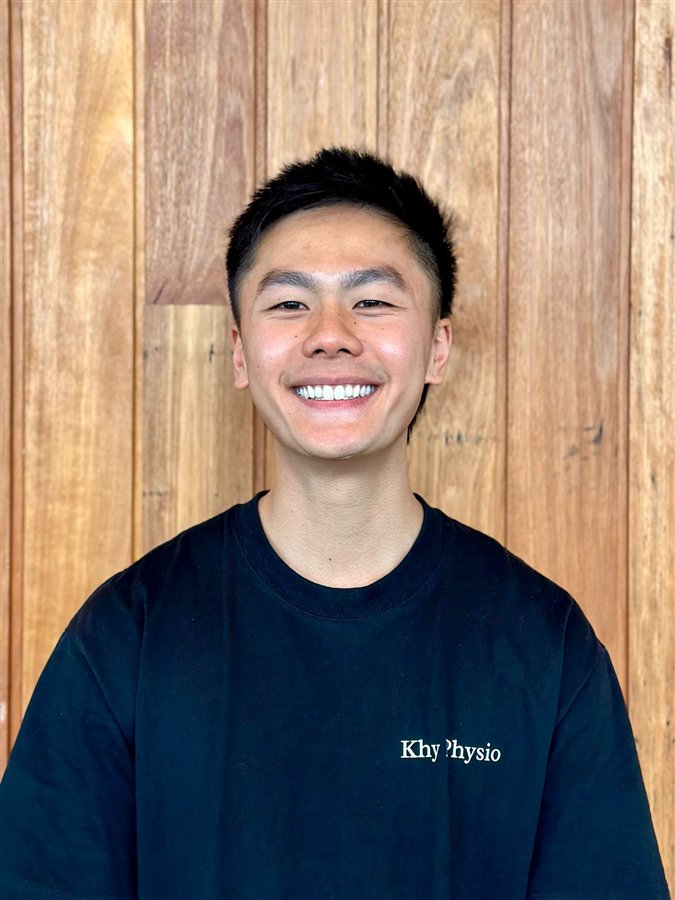
Calvin Yung, Mobile Physiotherapist
Calvin is a mobile physiotherapist at Khy Physio with a special interest in geriatric care, including mobility, balance, falls prevention and recovery after joint replacement. He speaks English, Cantonese and Mandarin. Meet Calvin