
Article & News
How to Choose a Walking Aid: Stick, Frame or Rollator?
02/10/2026 · Khy Physio
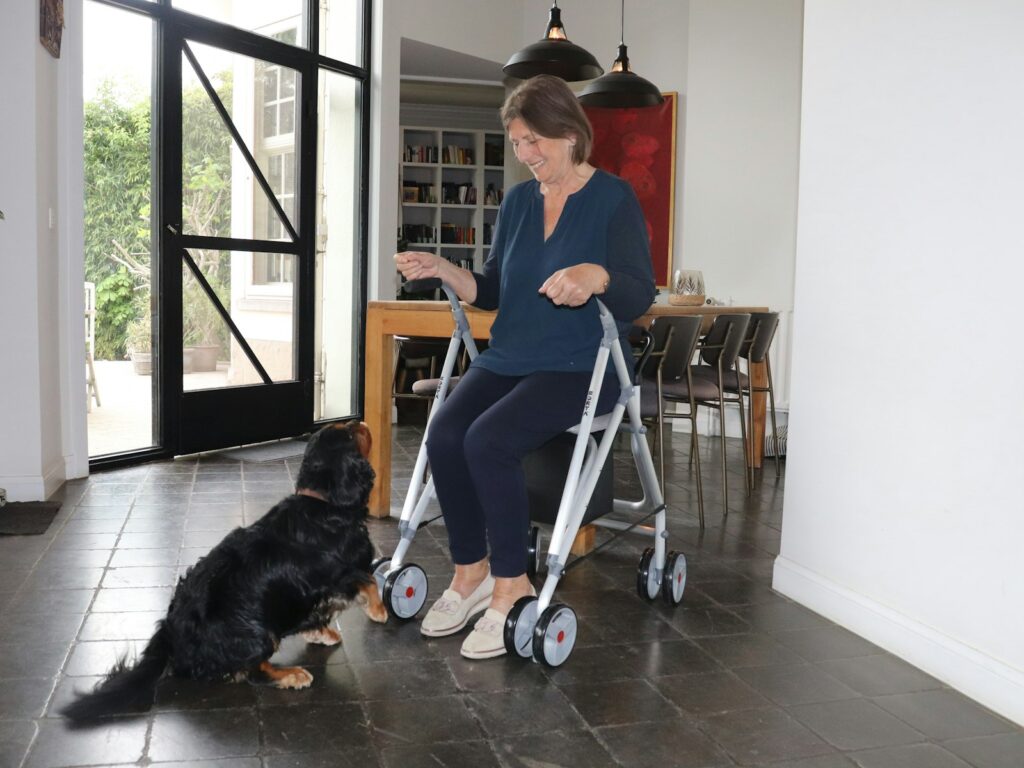
If walking has started to feel less steady, a walking aid can help you stay independent and keep getting out and about. Knowing how to choose a walking aid matters, though. A walking stick, a quad stick, a walking frame and a four-wheel walker all do different jobs, and the wrong aid, or the right aid set at the wrong height, can make walking harder rather than safer.
This guide compares the main types of walking aid, explains how to set the height, and covers the funding that can help pay for one. It is general information only, not medical advice. A physiotherapist or other health professional who has assessed you is the best person to recommend an aid for your situation.
The short answer
- Walking stick: the least support. Suits mild balance problems or one sore leg.
- Quad stick: a stick with a four-footed base. More stable than a standard stick, but slower and awkward on uneven ground.
- Walking frame: much more support. Often used after surgery or for significant balance problems, mainly indoors.
- Four-wheel walker (rollator): wheels, hand brakes and usually a seat. Suits people who can walk reasonably well but tire quickly or need to stop and rest.
- Height matters: the handles should usually sit level with the crease of your wrist when you stand tall with your arms relaxed.
- Funding may help: Support at Home’s AT-HM scheme, the NDIS, DVA and aged care homes can all provide or fund walking aids for eligible people.
Signs you might need a walking aid
According to healthdirect, you might benefit from a mobility aid if you have trouble walking because of a disability, a chronic condition or age, if you are recovering from surgery or an injury, if you fall often or have balance problems, or if a condition such as arthritis makes it hard to walk or stand for long.
In everyday life, the signs are often more subtle:
- reaching for furniture, benches and walls as you move around the house
- walking more slowly, or taking shorter, shuffling steps
- avoiding the shops, the garden or outings because you are worried about falling
- a recent fall or a few near misses
- needing to stop and rest after short distances
A walking aid is not a sign of giving up. Used well, it can help you stay active, which in turn helps keep your legs strong. If falls are a worry, our guide to falls prevention at home covers other simple changes that help.
The main types of walking aid compared
Walking stick
A single-point walking stick gives a little extra support and balance. It suits people who are mostly steady but have mild balance problems, or one painful or weaker leg, such as with hip or knee arthritis. Most people hold the stick in the hand opposite the sore leg, so the stick and the sore leg move forward together. A stick will not hold your weight if you lose your balance badly, so it is not the right choice for significant unsteadiness.
Quad stick
A quad stick has a small base with four rubber feet. It is more stable than a standard stick and can stand up on its own, which is handy when you need both hands. It is heavier, though, and all four feet need to sit flat on the ground to be stable, so it can be awkward on grass, uneven paths and stairs.
Walking frame
A walking frame gives much more support than a stick, because you have both hands on it and a wide base around you. Some frames have no wheels and are lifted with each step. Others have two front wheels so they can be pushed. Frames are commonly used after hip or knee surgery, after a fracture, or when balance is poor. They are usually best indoors or on flat, even surfaces, and they slow you down.
Four-wheel walker (rollator)
A four-wheel walker, often called a rollator, has hand brakes and usually a seat and a basket. It suits people who can walk reasonably well but tire easily, need to stop and rest, or want to carry shopping. Because it rolls freely, it is less stable to lean heavily on than a frame, and you need good hand function to use the brakes. Always lock the brakes before you sit on the seat, and never sit on it while someone pushes you along.
How to set the height of a walking aid
The right height lets you stand tall and walk with a natural rhythm. A common starting point is:
- Wear the shoes you usually walk in.
- Stand as tall as you comfortably can, with your arms relaxed by your sides.
- Set the handle so it sits level with the crease of your wrist.
- When you hold the handle, your elbow should be slightly bent, not straight and not sharply bent.
The same idea applies to frames and rollators. If an aid is too low, you will stoop forward. If it is too high, your shoulders will hunch and you will have less control. Check the rubber tips on sticks and frames regularly and replace them when they wear smooth, and check the brakes on a rollator. A second-hand or borrowed aid should always be checked for height and condition before you use it.
Why a physio should help you choose and fit it
You can buy walking aids at a pharmacy or online, but healthdirect notes that mobility aids can be unsafe and cause injuries if they are not used correctly, and that it is important to get the right aid fitted safely. A physiotherapist can:
- assess your strength, balance and walking to work out how much support you really need
- let you trial different aids and compare them
- set the height correctly and check your technique
- teach you how to get up from a chair, turn, use steps and get through doorways safely with the aid
- give you exercises so you do not rely on the aid more than you need to
- review the aid as you improve or as your needs change
A home visit is especially useful here. Your physio can see your hallways, rugs, steps, bathroom and the path to the letterbox, and choose an aid that fits the space you live in. Choosing and using a walking aid safely is one of the practical things home physiotherapy for older people can help with. Learn more about our physiotherapy for seniors.
Funding for walking aids
Support at Home: the AT-HM scheme
Support at Home participants can get assistive technology through the Assistive Technology and Home Modifications (AT-HM) scheme. It is separate from your quarterly Support at Home budget, and you are assessed for it as part of your aged care assessment. Mobility equipment such as walking sticks, walking frames and wheelchairs is included.
The assistive technology funding tiers are low (under $500), medium (up to $2,000) and high (up to $15,000, or more if needed). Funding is generally available for 12 months. Most AT-HM items need a participant contribution, but a prescription and wraparound services from a health professional are clinical supports, fully funded by the government. If you moved across from a Home Care Package, any unspent package funds are used first. See our Support at Home physiotherapy page for how we work with your provider.
NDIS
For NDIS participants, walking sticks and four-wheeled walker frames are examples of low-cost assistive technology, which the NDIS defines as items costing less than $1,500. You can buy them from your consumables budget. For low-risk items under $1,500, you do not need to send the NDIS quotes or assessments or ask for approval first, but the item must relate to your disability and be supported by evidence, such as a recommendation from your allied health professional. The NDIS suggests getting advice before buying, even for low-cost items. Learn more on our NDIS physiotherapy page.
DVA
If you hold a Veteran Card, your DVA physiotherapist can supply some small aids, such as a walking aid, as part of treatment, or prescribe equipment through DVA’s Rehabilitation Appliances Program. The item must be clinically necessary for your referred condition.
Aged care homes
If you live in residential aged care, the home must provide mobility aids such as walking frames and wheelchairs as part of the care it delivers. Motorised wheelchairs, electric scooters and customised aids are not included.
Frequently asked questions
Which hand should I hold my walking stick in?
Most people hold it in the hand opposite the painful or weaker leg. There are exceptions, so ask your physio to check what works best for you.
Can I use a walking aid that belonged to someone else?
Possibly, but have it checked first. It needs to be the right type for your needs, set to your height and in good condition, with rubber tips and brakes that work.
Will using a walking aid make my legs weaker?
Not if it helps you stay active. The aid supports you while you move, and strength and balance exercises alongside it keep your legs working. Your physio can set a simple home program so you do not come to rely on the aid more than you need to.
Can a physio come to my home to fit a walking aid?
Yes. Our physiotherapists visit homes across Melbourne and the Geelong region and bring the equipment they need for your assessment. A travel fee applies to home visits and depends on your location. Contact our team for the cost to your area.
Do I need a prescription for a walking aid?
Not to buy one privately. Some funding routes need a recommendation or prescription from a health professional, depending on the item and the program.
Get the right walking aid, fitted properly
If you or someone you care for is starting to feel unsteady, a physiotherapy assessment at home can help you choose the right aid and use it safely. Make a referral or contact our team on 03 8824 0712 to book a visit.

Written by
Calvin Yung, Mobile Physiotherapist
Calvin is a mobile physiotherapist at Khy Physio with a special interest in geriatric care, including mobility, balance, falls prevention and recovery after joint replacement. He speaks English, Cantonese and Mandarin. Meet Calvin