
Article & News
Wrist Fracture Recovery at Home: After the Cast
02/05/2026 · Khy Physio
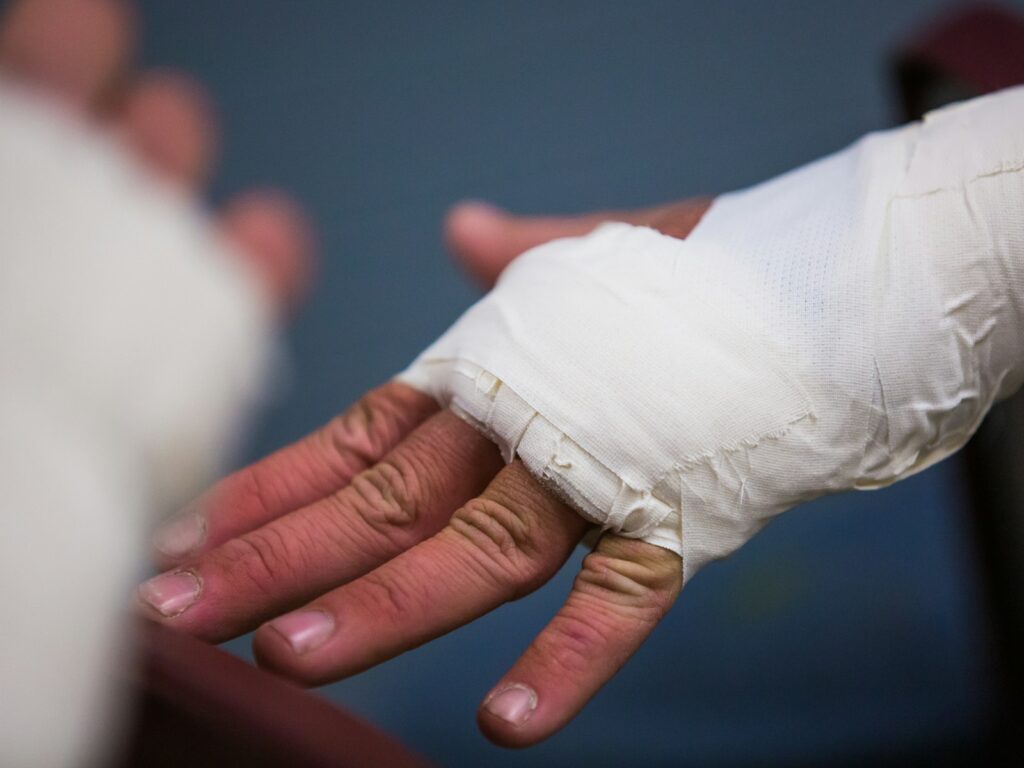
A broken wrist is one of the most common injuries after a fall, especially for older adults who put out a hand to break the fall. The weeks after the cast comes off can feel unsettling, so here is a warm, plain-English guide to wrist fracture recovery at home, and how a physiotherapist can help you get moving again safely.
What happens after the cast comes off
Many wrist fractures in older adults involve the lower end of the forearm bone (the distal radius), often after a slip or trip. Once your treating doctor is satisfied the bone has healed enough and the cast or splint is removed, the recovery is not over, it is simply changing shape. The wrist has been held still for several weeks, so it is completely normal for it to feel stiff, weak, swollen and a little clumsy at first.
Many people are surprised by how much the hand and forearm have changed. The skin may look dry or flaky, the muscles feel smaller, and even simple movements can feel stiff or tender. This is usually part of normal healing rather than a sign that something has gone wrong. Joints, tendons and muscles all need gentle, gradual retraining after a period of rest, and with the right approach most people regain a good deal of their movement and strength over the following weeks and months.
Managing stiffness and swelling
Stiffness and swelling are the two things that hold people back most in the early weeks. The encouraging news is that gentle movement is usually the best medicine for both.
- Move little and often. Short, frequent sessions of easy movement tend to work better than one long, forceful stretch. Aim for comfortable movement several times a day rather than pushing hard once.
- Elevate to ease swelling. Resting the hand up on a cushion, higher than your elbow, helps fluid drain away. Gentle finger movements while elevated act like a pump to reduce puffiness.
- Keep the fingers, thumb and elbow busy. Even while the wrist is still settling, opening and closing the hand, touching each fingertip to the thumb, and bending the elbow help stop nearby joints stiffening up too.
- Warmth before, comfort after. Some people find a warm (not hot) flannel before exercises makes movement easier, and a brief cool pack afterwards settles any aching. Protect the skin and keep everything comfortable.
A little discomfort with movement is common and expected. Sharp, worsening or lasting pain is a signal to ease off and check in with your physiotherapist or GP.
Regaining wrist and hand movement
Restoring movement usually comes before building strength. Gentle range-of-movement exercises, done within a comfortable range, coax the wrist back to its normal motions. A physiotherapist will tailor these to your stage of healing, but common movements include:
- Bending the wrist gently up and down, as if waving.
- Moving the wrist side to side, towards the thumb and towards the little finger.
- Turning the forearm so the palm faces up, then down, like turning a key or a doorknob.
- Making a slow, full fist and then spreading the fingers wide and straight.
The aim is smooth, controlled movement into a gentle stretch, never forcing through sharp pain. Rest your forearm on a table so the wrist can move freely without the weight of your whole arm. Small, regular doses through the day are what steadily return the movement.
Rebuilding grip and strength
Once movement is returning and the bone healing is well established, the focus shifts to strength, especially grip. This is usually introduced a little later, and only when your physiotherapist or doctor is happy the fracture is ready for it. Gentle strengthening might include:
- Squeezing a soft ball, rolled-up sock or therapy putty, holding briefly, then releasing.
- Light gripping and pinching tasks, such as pegs, a soft sponge or a rolled towel.
- Wrist curls with a very light weight, a small tin or a partly filled water bottle, once cleared to do so.
- Weight-bearing tasks graded carefully, such as gently pressing the hand on a table.
Grip strength often takes longer to return than movement, so patience really pays off here. Building up gradually protects the healing wrist and helps avoid setbacks. This kind of graded, home-based rehabilitation is exactly what our physiotherapy for seniors is built around, with each step matched to how your wrist is responding.
Getting back to everyday tasks
For most people, the real goal is not an exercise chart, it is doing up buttons, holding a cup of tea, opening a jar, using a walking aid or cooking a meal again. A practical recovery weaves your hand back into daily life step by step.
- Use the hand for light tasks early. Gentle everyday use, folding washing, wiping a bench, holding light objects, is part of the therapy, not separate from it.
- Adapt tools where helpful. Chunkier pen grips, jar openers, tap turners and lightweight cookware can bridge the gap while strength returns.
- Protect the wrist during heavier jobs. Carrying shopping, pushing up from a chair or leaning hard on the hand may need to wait until strength and confidence build.
- Mind your balance too. Because a wrist fracture often follows a fall, it is worth thinking about steadiness and home safety as you recover, so the same thing is less likely to happen again.
If you use a frame or stick, tell your physiotherapist. The way you grip and load a walking aid may need adjusting while the wrist heals, and this is something we can check and set up safely during a home visit.
Why in-home physiotherapy helps
Recovering a wrist at home has a real advantage: your physiotherapist can see the actual jars, taps, doorknobs and kitchen benches you are working with, and build your program around them. There is no travel while your grip and confidence are low, and the exercises are practised in the setting where you actually need them.
Our physiotherapists travel across Melbourne and the Geelong region to see people at home, in aged-care facilities and in the community. You can see where we visit on our areas we serve page. Recovery is often funded, too. Depending on your situation, in-home wrist rehabilitation may be supported through a Home Care Package, the NDIS, DVA for eligible veterans, or a Medicare care plan from your GP, and our team is happy to help you understand the options.
When to seek prompt advice
Most wrist recoveries are steady and uneventful, but some symptoms deserve a quick check. Contact your GP, treating team or physiotherapist promptly if you notice:
- Increasing pain, swelling or redness rather than gradual improvement.
- Numbness, pins and needles, or fingers that look pale or feel unusually cold.
- Skin that becomes very shiny, sweaty or unusually sensitive to touch.
- A sudden loss of movement, or a feeling that something has shifted.
For any sudden severe pain, a suspected new fall or injury, or signs of a serious problem, seek urgent medical care, and call 000 if you are worried it is an emergency. This article is general information only and is not a substitute for advice tailored to you.
Frequently asked questions
How long does wrist fracture recovery take after the cast comes off?
It varies from person to person. Stiffness often eases over the first weeks to a couple of months, while grip strength and full confidence with heavier tasks can take several months longer, particularly in older adults. Following a physiotherapist-guided program and staying consistent with gentle exercises usually helps you progress more smoothly.
Is it normal for my wrist to be stiff and weak after the cast?
Yes. After weeks of being held still, stiffness, swelling and weakness are expected and are usually not a sign that anything is wrong. Gentle, regular movement and graded strengthening, guided by a physiotherapist, are the usual way these settle over time.
Can I do my wrist exercises on my own at home?
Many people manage a home program well, and home is a great place to practise. The safest approach is to have a physiotherapist assess your wrist, set the right exercises for your stage of healing, and adjust them as you improve, so you are not pushing too hard or holding back unnecessarily.
Will physiotherapy for a wrist fracture be covered by my funding?
Often, yes. In-home rehabilitation may be supported through a Home Care Package, the NDIS, DVA for eligible veterans, TAC or WorkCover where relevant, or a Medicare care plan arranged by your GP. You can read more on our funding and pricing page, and our team can talk through what applies to you.
Ready to get your wrist moving again?
You do not have to work through wrist fracture recovery on your own. Our friendly physiotherapists can come to your home across Melbourne and the Geelong region, assess your wrist, and build a gentle plan to restore your movement, grip and independence. To get started, book an in-home assessment or get in touch with our team, and we will help you take the next comfortable step.

Written by
Calvin Yung, Mobile Physiotherapist
Calvin is a mobile physiotherapist at Khy Physio with a special interest in geriatric care, including mobility, balance, falls prevention and recovery after joint replacement. He speaks English, Cantonese and Mandarin. Meet Calvin