Will a Massage Help Back Pain? - What You Should Know
Back pain is a common problem many people face, whether from muscle tension, strain, injury, or long-term wear and tear. You might wonder: can a massage help ease that pain? The short answer: yes, but with important caveats.
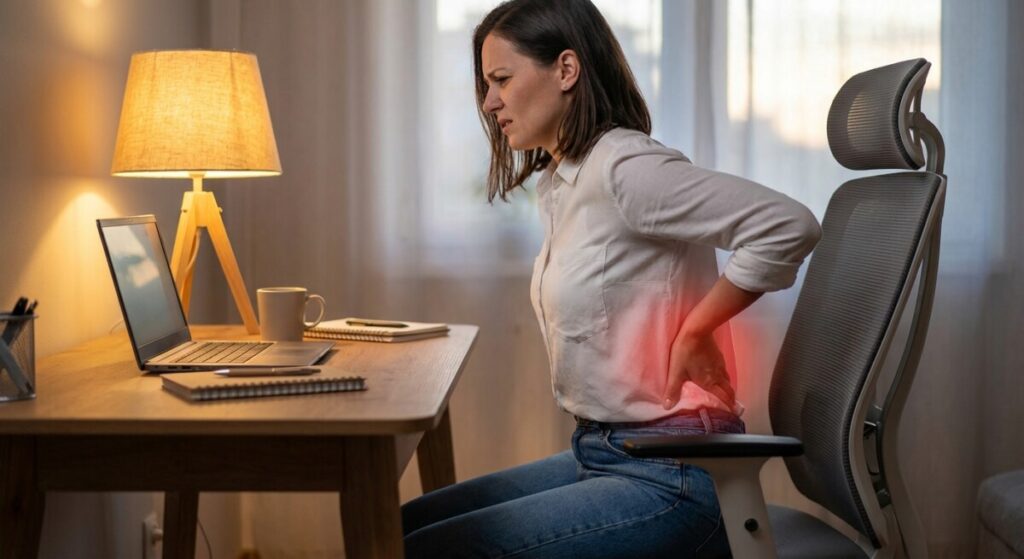
Table of Contents
What a Massage Can Do for Back Pain
Relax muscles & ease tension. Massage helps relieve tight, tense muscles and “knots,” which often contribute to back pain.
Improve blood flow and circulation. Better circulation can support healing and reduce stiffness by delivering oxygen and nutrients to muscles and soft tissues.
Provide short-term pain relief. For many people with acute or sub-acute back pain, massage can temporarily reduce pain intensity and improve comfort, offering a break from stiffness or discomfort.
Support relaxation and stress reduction. Because stress can contribute to muscle tension (and thus pain), the calming effects of massage, lowering stress hormones, promoting relaxation and can indirectly help reduce back-related discomfort.
In other words: massage isn’t just a “nice-to-have” it can be a useful, non-invasive tool for back pain management, especially when muscles are tight, overworked, or under stress.
Why Massage Alone Isn’t Always Enough
Benefits tend to be short-term. Research shows that massage often provides relief only in the short term, pain and function improvements may fade over time, especially when massage is the only intervention.
Underlying issues might remain unaddressed. If your back pain stems from deeper structural problems, joint dysfunction, poor posture, muscle imbalance, chronic load/stress on the spine, massage alone won’t correct those root causes.
Evidence is mixed and modest overall. While many studies show massage helps with pain and muscle tension, systematic reviews rate the certainty of evidence for many conditions, including chronic back pain, as “low” to “very low.”
So, massage is likely to make you feel better in the moment, but it isn’t a guaranteed long-term fix.
When physiotherapy might not be enough (and what to watch for)
There are situations where physiotherapy might have limited benefit, or where additional medical intervention is required. For example:
Severe nerve compression: If you have major leg weakness, loss of sensation, or bowel/bladder changes (possible cauda equina syndrome), urgent medical review needed.
Chronic long-standing nerve damage: If symptoms have persisted many months, or nerve damage is severe, outcomes may be slower. Research reflects that improvement in sciatica is often moderate and persistent in some people.
Underlying structural issues: Some people may need further investigation (imaging, specialist referral) if conservative management isn’t improving things.
What you can do now - 5 practical tips
Keep moving – Avoid prolonged bed rest. Gentle walking, small frequent movement breaks are better than sitting for hours.
Watch your posture & sitting habits – Sit with good lumbar support, avoid slouching; change positions frequently.
Begin gentle stretches – Hamstring stretch, hip flexor release, glute activation. (But stop if pain increases significantly).
Avoid aggravating activities – Heavy lifting, prolonged sitting without support, sudden twisting.
Seek physiotherapy early – The sooner you get appropriate assessment and individualised plan, the better the chance of a good outcome.
Why Combining Massage With Physiotherapy Is Often the Best Approach
That’s where physiotherapy, especially through a provider like KHY Physio shines. Physiotherapy goes beyond comfort and symptom relief; it aims at long-term function, mobility, and structural health.
Targeted rehabilitation. A physiotherapist can assess the cause of your back pain (posture, movement patterns, joint alignment, weaknesses) and design a tailored program of exercises, stretches, manual therapy and education to address those root issues.
Functional and lasting improvement. Instead of only relieving pain briefly, physio aims to restore mobility, strength, flexibility, and proper function, reducing the likelihood of recurrence.
Preventative care & long-term health. Physiotherapy can help prevent future flare-ups by correcting posture, strengthening weak areas, and teaching you good movement and self-care habits.
For many people, combining massage (for comfort, muscle relaxation, and short-term relief) with physiotherapy (for structural healing, strength, mobility) offers the best of both worlds.
👇 Learn more about the benefits of mobile physiotherapy.

And That’s Where Mobile Physio Comes In & Why It’s a Game Changer
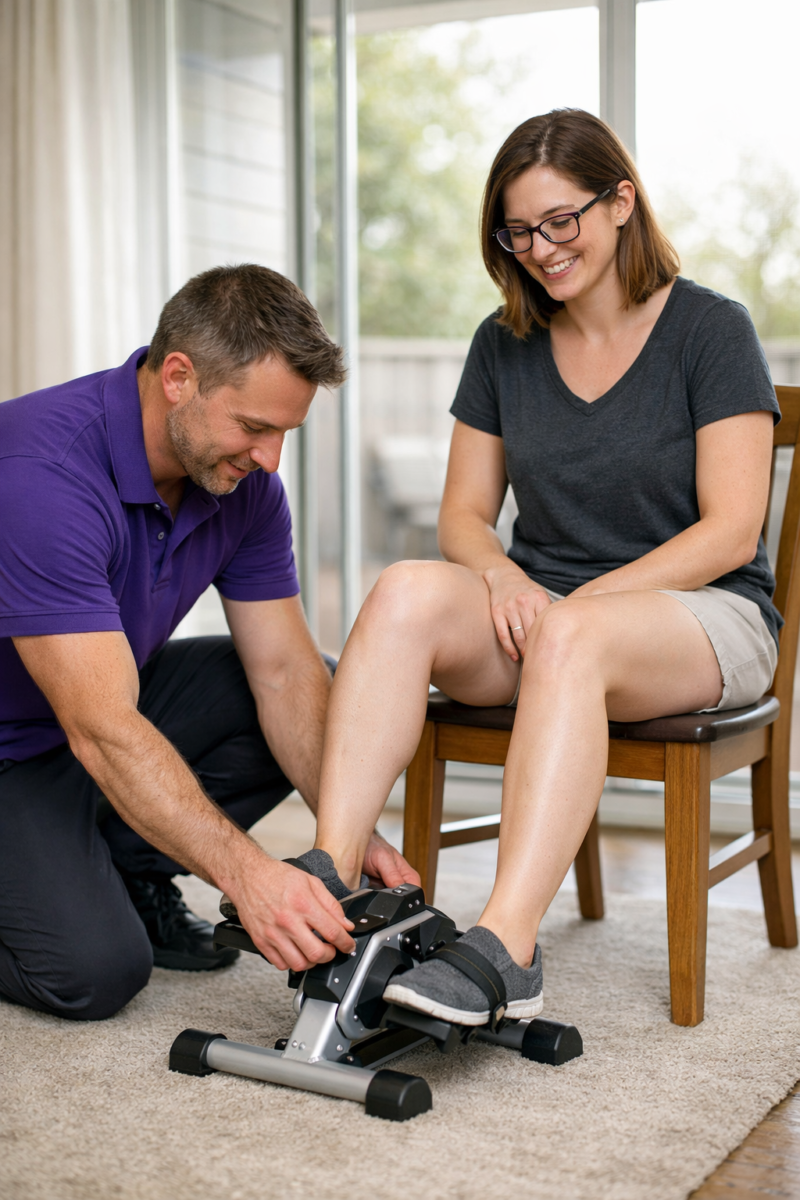
At KHY Physio, we offer mobile physiotherapy services across Melbourne, bringing expert care right into your home.
This home-visit model brings some clear advantages:
Convenience & comfort. No need to travel, you get care in a familiar, relaxed environment where you feel comfortable and safe.
Personalised care tailored to your lifestyle. Therapists can assess your home setup, mobility demands, and everyday movements, then design treatment and advice that fit seamlessly into your daily life.
Better consistency & adherence. Without the barrier of travel or scheduling, you’re more likely to stick to your physiotherapy plan, improving the chances of real, long-term improvement.
For many sufferers of back pain, especially seniors, people managing chronic conditions, or those with mobility limitations, mobile physiotherapy is a highly effective, accessible route to better health and comfort.
Will Massage Help Your Back Pain? Probably. But Ideally as Part of a Bigger Plan.
If you’re experiencing back pain, a massage can help relieve muscle tension, reduce discomfort, and offer short-term relief. However, for long-term improvement, especially if the pain is chronic, recurring or due to structural/movement issues, massage alone is unlikely to be enough.
Combining massage with evidence-based physiotherapy, ideally through a mobile service like KHY Physio, is often the smartest, most effective path. That way, you get immediate relief and long-term functional improvement.