
Physiotherapist
New Year, Safe You: How to Stick to Your 2026 Fitness Goals Without Injury
January 6, 2026 · No Comments
January is here and motivation is at an all-time high. But did you know that the “too much, too soon” approach is the leading cause of early-year injuries? Before you commit to running a marathon or hitting the gym daily, read our guide on how to pace yourself for long-term success.
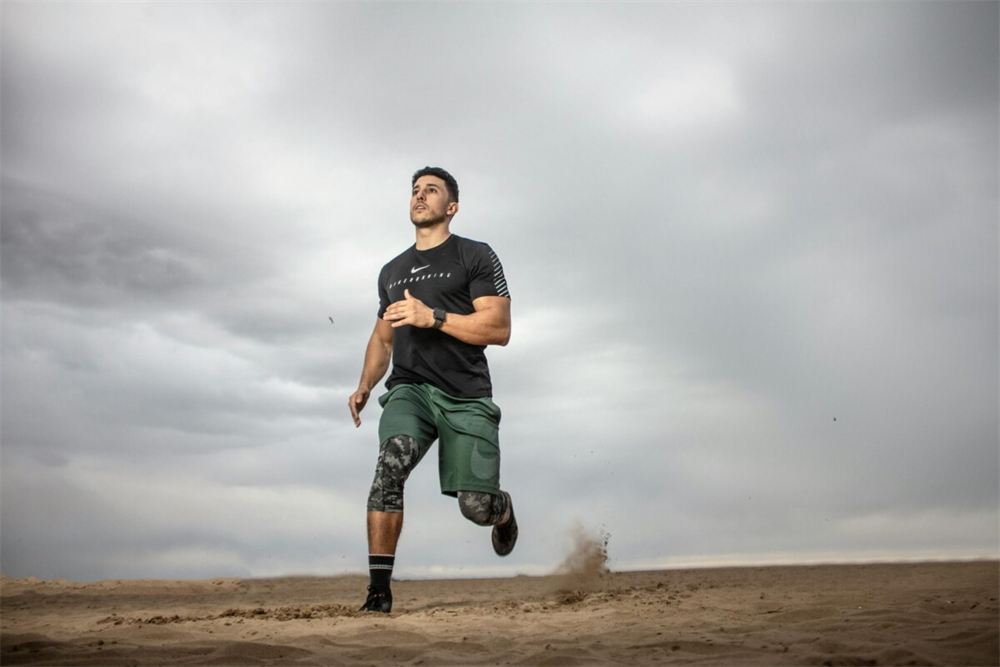
Start the year strong
Keep your momentum going all year
It’s the first week of January. You’ve got your new activewear, a fresh gym membership, or a plan to run 5 km every morning. It’s fantastic to feel motivated, but as physiotherapists we often see a spike in patients come February. Why? Because enthusiasm often outpaces physical capacity.
If you are diving back into fitness after a relaxing holiday season, here is how to avoid the dreaded “New Year injury” and keep your momentum going all year.
Train Smarter
How to avoid the
dreaded “New Year injury”.
Four simple principles to help you build fitness this new year without breaking down.
The 10% rule
The biggest mistake we see is a sudden spike in “load”. If you haven’t run in three months, running 5 km on day one is a shock to your tendons and joints. Aim to increase your activity — distance, weight or intensity — by no more than 10% per week. This allows your tissues to adapt and strengthen without breaking down.
Don’t skip the warm-up
Spend 5–10 minutes doing dynamic movements, such as leg swings, lunges or arm circles, to get the blood flowing. According to HealthDirect Australia, warming up increases blood flow to your muscles and prepares your body for the activity ahead, helping to reduce your risk of injury.
Recognise “good” pain versus “bad” pain
Learning to tell the difference between normal soreness and a warning sign is one of the most useful skills you can build.
- Good pain: Delayed Onset Muscle Soreness (DOMS). This usually appears 24–48 hours after a workout and feels like a dull, stiff ache in the muscles. It’s completely normal.
- Bad pain: Sharp, shooting pain during exercise, or pain that is localised to a joint or bone. If you feel this, stop immediately. Pushing through “bad pain” is a fast track to a long-term injury.
Rest days are training days
Your body doesn’t get stronger while you are working out — it gets stronger while you rest. Recovery is when your muscles repair themselves. If you are starting a new program, aim for at least 2–3 rest days a week to begin with.
How Mobile Physio Can Help
A professional assessment in your own home.
If you do feel a niggle, or if you’d like a professional assessment to make sure your form is correct before you start heavy lifting, we can help. The beauty of mobile physiotherapy is that we can assess you in your own home environment — checking your home gym setup or even looking at your running shoes — to make sure you’re set up for success.
Don’t let an injury derail your 2026 goals. Listen to your body, pace yourself and enjoy the movement. If you’d like a hand getting started safely, we’d love to come to you — book a home visit anywhere across Melbourne and we’ll help you build a plan that lasts the whole year.
Get started
Book a mobile physiotherapy appointment or call us to talk it through.
Book an appointment
Written by
Calvin Yung, Mobile Physiotherapist
Calvin is a mobile physiotherapist at Khy Physio with a special interest in geriatric care, including mobility, balance, falls prevention and recovery after joint replacement. He speaks English, Cantonese and Mandarin. Meet Calvin
Ready when you are
Let’s get you moving.
Book an appointment or call us — we’ll arrange a home visit that suits you, anywhere across Melbourne.