Article & News
Stroke arm and hand recovery: exercises and practice at home
03/11/2026 · Khy Physio
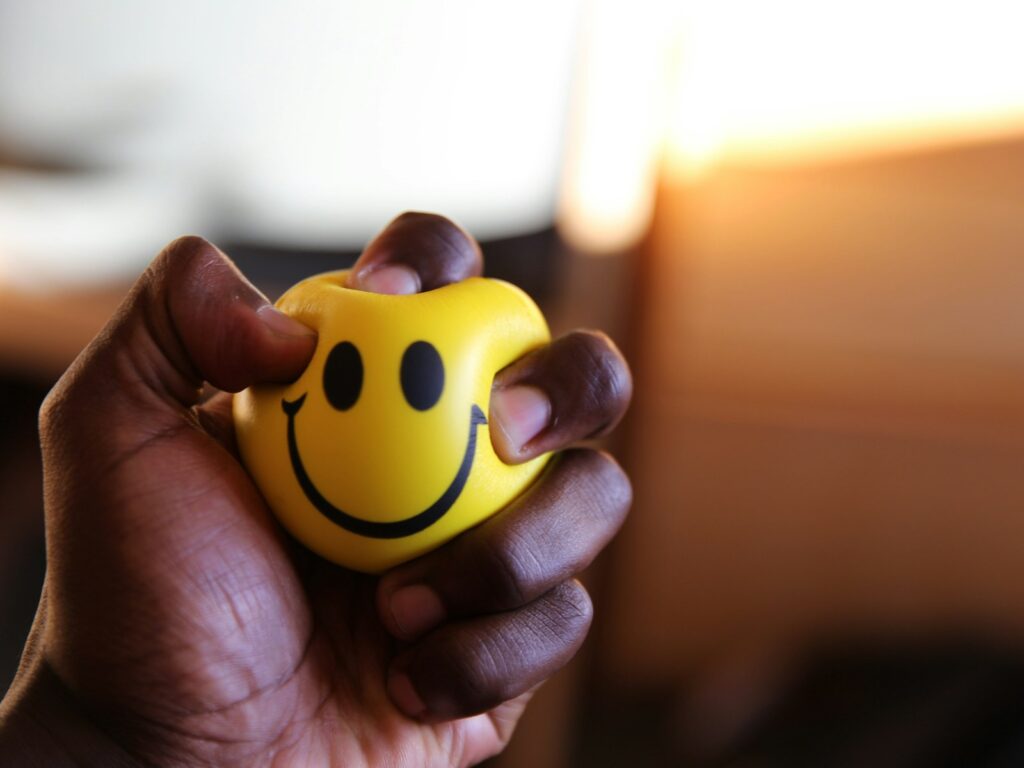
After a stroke, the arm and hand often recover more slowly than walking, and that can be one of the most frustrating parts of rehabilitation. The good news is that there is a lot you can do. Stroke arm recovery exercises work best when they involve plenty of practice of real tasks, at a level that is challenging but still done accurately, and when they carry on at home between therapy sessions.
This guide explains how a stroke can affect the shoulder, arm and hand, the therapies the Stroke Foundation describes, and some simple ways to practise at home. It is general information only, not medical advice. Your treating team knows your situation, so check with them before starting any new exercise.
The short answer
- A stroke can affect strength, movement, feeling and coordination in the shoulder, elbow, wrist and hand, usually on one side.
- Repeating a movement or task many times, at the right level of difficulty, is at the heart of arm rehabilitation.
- Other options your team may suggest include strengthening with weights, constraint-induced movement therapy, electrical stimulation, mirror therapy and video games.
- The shoulder needs care: weakness can let the arm bone sit lower in the socket, which can be painful.
- Consistency matters most. Keep using the affected arm in everyday tasks, not just during exercise time.
How a stroke affects the arm and hand
According to the Stroke Foundation, the changes depend on which part of the brain was injured. Common problems include:
- Weakness or paralysis. Weakness on one side is called hemiparesis. Complete paralysis on one side is called hemiplegia. Muscles may feel loose or floppy.
- Stiffness (spasticity). Muscles can feel tight and resist movement, so the arm does not do what you want it to.
- Changes in feeling. You may feel touch less, feel it more than usual, or notice pins and needles and other strange sensations.
- Trouble planning movement. Some people find it hard to plan a movement even when the arm is not weak. This is called apraxia.
- Shoulder subluxation. Weak muscles can let the top of the arm bone sit slightly lower in the shoulder socket.
- Swelling. When the hand and arm move less, fluid can build up.
- Pain. Muscle changes, spasticity and subluxation can all cause pain, and changes in the brain can also alter how pain is felt.
Because each person’s mix of problems is different, arm rehabilitation starts with an assessment of strength, movement, feeling and how you use the arm in daily life.
What arm therapy usually involves
Physiotherapists and occupational therapists often work together on the arm and hand. The Stroke Foundation describes several approaches your team may suggest:
- Repetitive practice. Repeating a movement or task over and over. Your team will suggest how many repetitions to aim for. The task needs to be hard enough to challenge you, but not so hard that you cannot do it accurately.
- Strengthening. Exercising with weights, increased as you improve.
- Constraint-induced movement therapy. For people with mild to moderate weakness, a mitt or sling is worn on the stronger hand so the affected hand is used more.
- Electrical stimulation. A low-level electric current helps strengthen muscles.
- Mirror therapy. A mirror placed between your arms reflects the stronger arm moving, which tricks the brain into seeing the affected arm move.
- Video games that encourage arm movement.
- Sensory retraining. Feeling different textures and objects to help retrain your senses.
Not every approach suits everyone. Your therapist will choose based on how much movement you have, especially in the wrist and fingers, and on your goals.
Simple ways to practise at home
These are examples of the kind of tasks a physio may set. Only do them if your treating team agrees they suit you, and ask them how many to do. Sit in a stable chair at a table with both feet on the floor. Stop if you feel sharp pain, especially in the shoulder.
- Towel slides. Rest the affected forearm on a small towel on the table. Slide the towel forward as far as is comfortable, then draw it back. Your stronger hand can help guide it at first.
- Grasp and release. Place a soft object, such as a sponge or face washer, in front of you. Pick it up, move it to a marked spot, and let go. Progress to harder objects, such as a plastic cup, when you are ready.
- Wrist lifts. Rest your forearm on the table with your hand over the edge, palm down. Slowly lift the back of the hand, then lower it. Keep the forearm still.
- Finger and thumb work. Touch the thumb to each fingertip in turn, or spread the fingers apart on the table and bring them back together.
- Two-handed tasks. Use the affected hand to steady a bowl while stirring, hold a towel while folding, or hold a piece of paper while writing.
Short, frequent practice sessions spread through the day are often easier to manage than one long session. If fatigue is a problem, which is common after a stroke, practise when you have the most energy.
Looking after the shoulder, swelling and pain
A weak shoulder is vulnerable. Your team may suggest exercises or electrical stimulation to strengthen the muscles, a sling to support the arm, and safe ways to move the arm. Carers should ask the team how to support and handle the affected arm during transfers and dressing, rather than using it as a handle.
For swelling, the Stroke Foundation notes that regular gentle exercise helps circulation, and gentle massage or raising the arm may help the fluid drain. Tell your team about any pain. It can come from several causes, and finding the cause guides the treatment. Medicines and other treatments can help, and a specialist pain service may be needed if pain does not improve.
Making practice part of everyday life
The Stroke Foundation puts it simply: consistency is key. Keep exercising and keep using the affected arm. A few ways to build that into your day:
- Choose everyday tasks for the affected hand, such as turning on a light, holding a toothbrush or wiping a bench.
- Involve family and friends in practice sessions.
- Consider an arm exercise group if one is available near you.
- Ask for equipment advice. Your team can suggest aids and one-handed strategies for tasks the arm cannot manage yet, while you keep working on recovery.
Home is a practical place to work on the arm. Your physio can build practice around your own kitchen, bathroom and favourite activities, and check that your set-up is safe. Our guide to post-stroke recovery at home covers walking, balance and confidence, and our neurological physiotherapy page explains how we work with stroke survivors.
When to seek urgent help
A new stroke is a medical emergency. The Stroke Foundation’s F.A.S.T. test is an easy way to remember the most common signs:
- Face: has their mouth drooped?
- Arms: can they lift both arms?
- Speech: is their speech slurred? Do they understand you?
- Time: is critical. If you see any of these signs, call 000 straight away.
Other signs include sudden weakness or numbness, dizziness or loss of balance, vision loss, a sudden severe headache, or trouble swallowing. Call 000 even if the signs go away within a few minutes. See your doctor promptly if the affected arm becomes newly hot, red, very swollen or much more painful.
Frequently asked questions
How many repetitions should I do?
There is no single number that suits everyone. Your therapist will suggest a target based on your level, and it should change as you improve. The key is that each repetition is done as accurately as you can, at a level that still challenges you.
Should I use my stronger hand for everything?
It is natural to rely on the stronger hand, but using the affected hand whenever it is safe gives it more practice. Constraint-induced movement therapy is built on this idea, though it is only suitable for some people and should be set up by your therapist.
Do I need to wear a sling?
Some people are advised to wear a sling to support a weak shoulder, and others are not. Follow your treating team’s advice, and ask them to show you and your carers how to position and support the arm.
Where can I get more information and support?
StrokeLine, run by the Stroke Foundation, offers free, confidential advice from nurses and allied health professionals on 1800 787 653, Monday to Friday, 9am to 5pm Australian Eastern Time.
Arm and hand rehabilitation at home
If you or someone you care for is working on arm and hand recovery after a stroke, our physiotherapists can visit you at home across Melbourne and the Geelong region and build a practice program around your daily life. Make a referral or contact our team on 03 8824 0712 to talk about getting started.
Written by
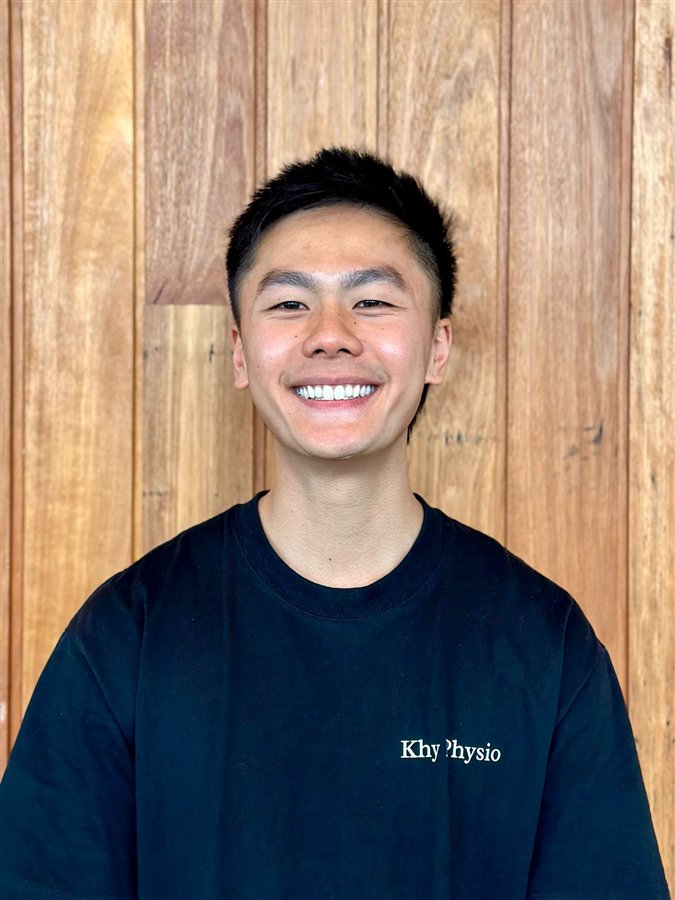
Calvin Yung, Mobile Physiotherapist
Calvin is a mobile physiotherapist at Khy Physio with a special interest in geriatric care, including mobility, balance, falls prevention and recovery after joint replacement. He speaks English, Cantonese and Mandarin. Meet Calvin