
Article & News
Resistance band exercises for seniors: 8 moves and how to choose a band
23/11/2026 · Khy Physio
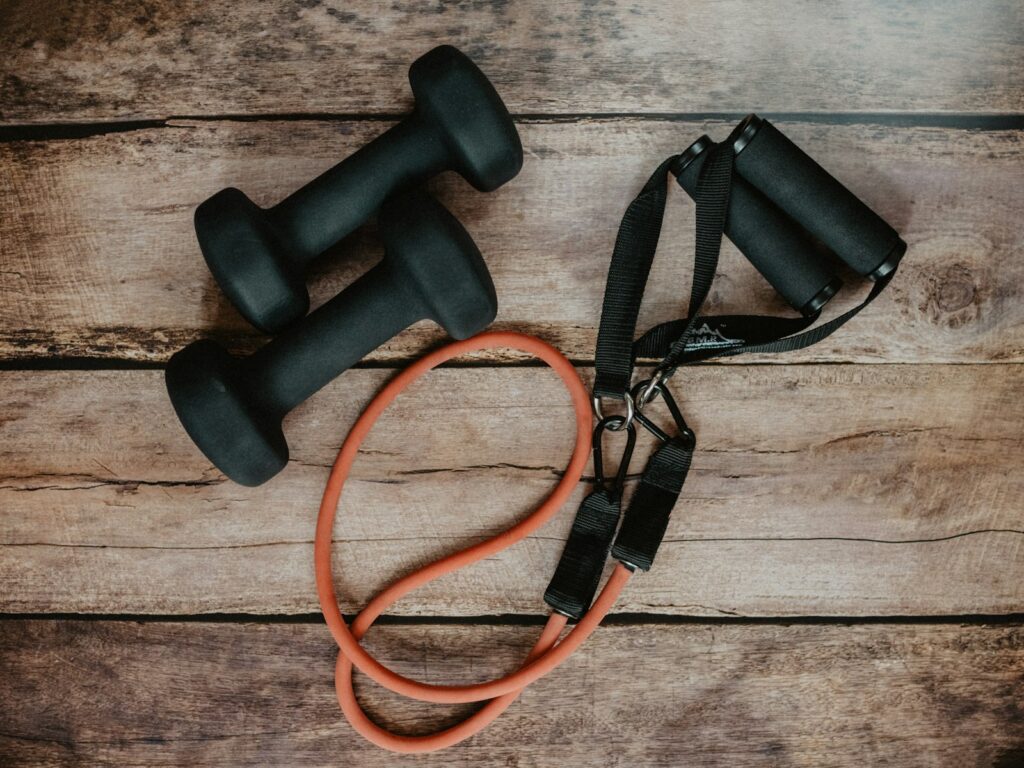
Resistance bands are one of the simplest ways to build strength at home. They are cheap, light, easy to store, and most exercises can be done sitting in a sturdy chair. For older adults, a band is an easy way to meet the recommendation to do muscle-strengthening activities on at least 2 days a week, and research shows elastic band training can improve muscle strength in older people.
Below are 8 resistance band exercises for seniors, with step-by-step instructions, plus tips on choosing the right band. This is general information only, not medical advice. If you have a heart condition, recent surgery, osteoporosis, joint replacements or any health concern, check with your GP or physiotherapist before starting.
The short answer
- Australia’s movement guidelines for adults aged 65 and over recommend muscle-strengthening activities on 2 or more days a week.
- Elastic band training has been shown to improve muscle strength in older adults.
- Start with a light band, slow movements and good form, and progress gradually.
- Most of these exercises can be done seated, which suits people with balance concerns.
- Stop if you feel sharp pain, dizziness or chest discomfort.
Why strength training matters as you age
Strength is what lets you get up from a low chair, climb stairs, carry shopping and catch yourself if you trip. The Australian 24-hour movement guidelines for older adults recommend muscle-strengthening activities on 2 or more days a week, alongside regular moderate activity and balance practice.
A systematic review and meta-analysis of elastic resistance training in older adults found that progressive band training can increase muscle strength.
Choosing a resistance band
- Start light. Bands are usually colour-coded by resistance, but colours vary between brands, so check the packaging. A light band you can control is better than a heavy one that pulls you out of position.
- Flat bands or tubes. Flat bands are easy to wrap around your hands or a chair leg. Tubes with handles are easier to grip if you have arthritis in your hands.
- Loops. Small loop bands that go around the thighs or ankles are handy for hip exercises.
- Latex. Many bands contain latex. If you have a latex allergy, buy latex-free bands.
- Check before each use. Look for nicks, tears or sticky patches, and replace a damaged band. A band that snaps can cause injury.
Before you start: staying safe
- Use a sturdy chair without wheels, placed against a wall if possible.
- Anchor the band securely. Never tie it to a door handle that could open.
- Move slowly in both directions, especially on the return. Do not let the band snap back.
- Breathe out as you pull or push, and do not hold your breath.
- Start with a number of repetitions you can do with good form, such as 8 to 10, and finish while you could still do a few more.
- Mild muscle tiredness is normal. Sharp or lingering joint pain is not, so stop and check with your physio.
8 resistance band exercises for seniors
1. Seated row
Sit tall near the front of a chair with both legs straight out in front, heels on the floor. Loop the middle of the band around the soles of your feet and hold one end in each hand, arms straight. Pull your hands towards your ribs, bending your elbows and squeezing your shoulder blades together. Slowly return. This strengthens the upper back, which helps posture.
2. Band pull-apart
Sit or stand tall. Hold the band in front of you at chest height with both hands, arms straight and hands shoulder-width apart. Gently pull your hands apart, moving your arms out to the sides, then slowly bring them back. Keep your shoulders down away from your ears.
3. Chest press
Sit in a chair with the band wrapped behind your upper back, holding one end in each hand at chest level. Push your hands forward until your arms are nearly straight, then slowly return.
4. Biceps curl
Sit with the middle of the band under both feet and hold an end in each hand, palms facing up. Keeping your elbows by your sides, bend your elbows to bring your hands towards your shoulders, then lower slowly.
5. Seated leg press
Sit tall and loop the middle of the band around the sole of one foot, holding the ends in your hands. Bend that knee towards your chest, then push your foot forward against the band until the leg is straight. Return slowly. Repeat on the other leg. This works the thigh and hip muscles you use to stand up.
6. Seated knee extension
Tie a loop band around your ankles, or anchor one end of a band to the back leg of your chair and loop the other around one ankle. Slowly straighten the knee against the band, pause, and lower. Repeat on the other leg.
7. Seated hip abduction
Sit near the front of your chair with a loop band just above your knees and your feet flat on the floor. Press your knees apart against the band, pause, then slowly bring them back together. This strengthens the muscles on the outside of the hips, which help with balance.
8. Ankle push
Sit with one leg straight out in front, heel on the floor. Loop the band around the ball of your foot and hold the ends. Point your toes away from you against the band, like pressing a car accelerator, then slowly return. This strengthens the calf muscles used for walking and balance.
Building a routine
Aim for 2 or 3 sessions a week on non-consecutive days. When an exercise feels easy for the full set, you can add a few repetitions, move to the next band strength, or shorten the band slightly. Increase only one thing at a time.
Pair your band work with balance practice and walking for a well-rounded program. Our guides to the best physiotherapy exercises for seniors and chair exercises for limited mobility have more ideas. If you have osteoporosis, read safe exercise with osteoporosis before you begin.
Frequently asked questions
Are resistance bands as good as weights?
For many older adults, bands are an effective way to build strength, and they are easier to use safely at home. What matters most is that the exercise is challenging enough and done regularly.
Which band colour should I start with?
There is no universal colour code, so check the brand’s guide and start with one of its lightest bands. You should be able to complete your repetitions slowly and with good form.
Can I use resistance bands if I have arthritis?
Often yes. Bands with handles are easier to grip, and seated exercises reduce load on painful knees and hips. Keep movements within a comfortable range and ask your physio to tailor the program.
Can a physio set up a band program for me at home?
Yes. Our seniors physiotherapy service can assess your strength, choose the right band and write a program you can follow between visits.
Get a strength program that suits you
If you would like help choosing a band and building a safe routine, our physiotherapists visit clients at home across Melbourne and the Geelong region. Make a referral or contact our team on 03 8824 0712 to book.

Written by
Calvin Yung, Mobile Physiotherapist
Calvin is a mobile physiotherapist at Khy Physio with a special interest in geriatric care, including mobility, balance, falls prevention and recovery after joint replacement. He speaks English, Cantonese and Mandarin. Meet Calvin