
Article & News
Kyphosis exercises: easing a rounded upper back safely
20/11/2026 · Khy Physio
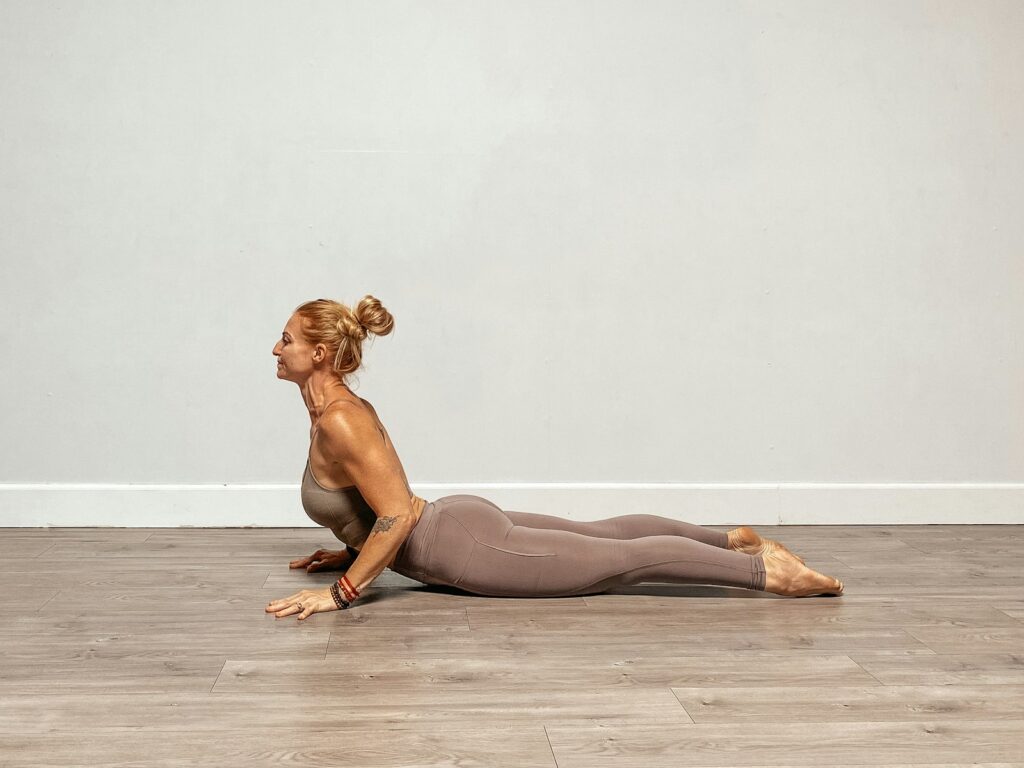
Kyphosis is the forward rounding of the upper back. A gentle curve is normal, but in many older adults it becomes more pronounced, leaving the head and shoulders sitting forward and making it harder to stand tall, look up or breathe deeply. Kyphosis exercises aim to strengthen the muscles along the back of the spine and retrain posture, and research shows this can reduce the curve in older adults. If you have osteoporosis, the choice of exercise matters a great deal, because some common movements can put the spine at risk.
This guide explains what causes a rounded upper back, which exercises are generally safe to start with, and when a change in your posture needs a doctor’s attention. It is general information only, not medical advice. Please see your GP or physiotherapist before starting exercises, especially if you have osteoporosis or have had a spinal fracture.
The short answer
- A rounded upper back can come from posture habits, weak back muscles, age-related changes in the spine, or osteoporotic fractures of the vertebrae.
- Strengthening the back extensor muscles and practising posture can reduce kyphosis in older adults.
- With osteoporosis, avoid bending forward and twisting, such as toe touches and sit-ups.
- A supervised program is recommended when you first start, especially if you have osteoporosis.
- A sudden increase in the curve or new sharp back pain should be checked by a doctor.
What causes kyphosis?
A rounded upper back rarely has a single cause. Common contributors in older adults include:
- Weak back muscles. The muscles that hold the spine upright, known as the back extensors, tend to weaken with age and inactivity.
- Posture habits. Long hours sitting, reading or looking down at a phone or tablet can encourage the head and shoulders to drift forward.
- Tight chest muscles. These can pull the shoulders forward and make it harder to sit or stand tall.
- Vertebral fractures. In people with osteoporosis, the front of a vertebra can collapse into a wedge shape, increasing the curve. These fractures sometimes happen with little or no injury.
- Wear and tear. Age-related changes in the discs and joints of the spine can also play a part.
Kyphosis matters because it can affect balance, reaching, breathing and confidence. It is also a good reason to ask your GP whether a bone density check is appropriate.
What the evidence says
The SHEAF randomised controlled trial tested a 6-month program of targeted spine-strengthening exercise and posture training in older adults with hyperkyphosis. Compared with a control group, the exercise group reduced their kyphosis. The researchers concluded that a kyphosis-specific exercise program may be an effective treatment option for older adults.
If you have osteoporosis, Healthy Bones Australia advises avoiding activities that twist or bend the spine, as well as forward flexion such as toe touching and sit-ups, because of the risk of fracture. It also notes that supervised back-strengthening exercises can be important for supporting the spine, and recommends a physiotherapist or exercise physiologist supervise and individualise your program when you first begin. Our guide to safe exercise with osteoporosis covers this in more detail.
Kyphosis exercises to start with
These are gentle starting exercises that physiotherapists commonly use. Move slowly, breathe normally, and stop if you feel sharp pain. Hold a stable surface when standing, and do not force any position.
1. Chin tucks
Sit tall in a firm chair. Keeping your eyes level, gently slide your chin straight back, as if making a double chin. You should feel the back of your neck lengthen. Hold for a few seconds, then relax.
2. Shoulder blade squeezes
Sit or stand tall with your arms relaxed by your sides. Gently draw your shoulder blades back and slightly down, without arching your lower back or shrugging. Hold for a few seconds, then release.
3. Standing tall against a wall
Stand with your heels a short distance from a wall, with your bottom and upper back touching it. Gently lengthen up through the top of your head. Only bring the back of your head towards the wall if it is comfortable. Do not force your head back. Hold for a few breaths.
4. Seated upper back extension
Sit in a firm chair with a backrest that finishes around the level of your shoulder blades. Cross your arms over your chest. Gently lift your chest and lean back over the top of the chair, only as far as is comfortable, then return to upright. This moves the spine into extension, the opposite of the rounded position.
5. Back extensor strengthening
Your physio may progress you to strengthening the back muscles, for example lying on your stomach with a pillow under your hips and gently lifting your head and shoulders a small distance, or a standing version against a wall. Because these need to be matched to your bone health, they are best learned with your physio first.
6. Deep breathing
Sitting tall, place your hands on the sides of your lower ribs. Breathe in slowly through your nose, feeling your ribs widen into your hands, then breathe out slowly. This encourages the chest to open and can be done several times a day.
Everyday habits that help
- Set up your chair, reading material and screens so you are not looking down for long periods.
- Take regular breaks from sitting to stand tall and walk.
- Bend at the hips and knees, keeping your back straight, when picking things up, rather than rounding your spine.
- Carry shopping close to your body, and split loads between both hands.
- Keep up balance practice, which matters even more if your posture has changed and your centre of weight has shifted forward. Our balance exercises for older adults are a good place to start.
When to see your doctor
See your GP promptly if you notice:
- sudden, sharp back pain after a minor strain, a cough, a sneeze or lifting something light, which can be a sign of a vertebral fracture
- a noticeable loss of height, or a curve that is getting worse quickly
- numbness, tingling or weakness in the legs, or changes in bladder or bowel control
- breathing difficulties that seem linked to your posture
- back pain with fever, unexplained weight loss or pain that is worse at night
Frequently asked questions
Can kyphosis be reversed with exercise?
Exercise can reduce the curve for some people and can improve strength, posture and function even when the curve does not change much. Where kyphosis is caused by vertebral fractures, the bone shape itself will not change, but exercise can still help you stand and move more comfortably.
Are sit-ups good for posture?
Sit-ups round the spine forward. If you have osteoporosis, Healthy Bones Australia advises avoiding them. Your physio can suggest safer ways to strengthen your trunk.
Should I wear a posture brace?
Braces are sometimes used for specific situations, such as after a spinal fracture, on a doctor’s advice. For general posture, building strength in your own muscles is the priority. Ask your doctor or physio whether a brace is appropriate for you.
Can a physio visit me at home for this?
Yes. Our seniors physiotherapy service comes to you, so your program can be built around your own chairs, bench and daily routine.
Stand a little taller, safely
If you have a rounded upper back, osteoporosis, or are not sure which exercises are safe for you, our physiotherapists can visit you at home across Melbourne and the Geelong region. Make a referral or contact our team on 03 8824 0712 to book an assessment.
Written by
Calvin Yung, Mobile Physiotherapist
Calvin is a mobile physiotherapist at Khy Physio with a special interest in geriatric care, including mobility, balance, falls prevention and recovery after joint replacement. He speaks English, Cantonese and Mandarin. Meet Calvin