
Article & News
Hip Pain in Older Adults: Causes and Relief
07/05/2026 · Khy Physio
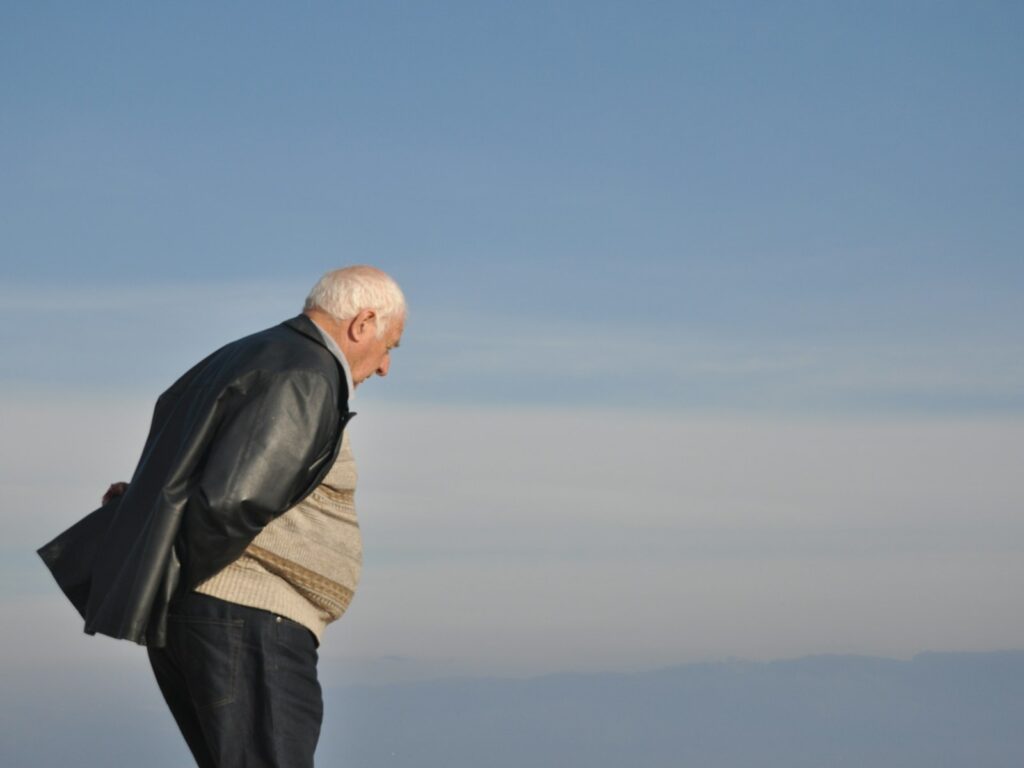
Hip pain is one of the most common complaints we hear from clients in their later years, and it can quietly chip away at confidence, sleep and independence. The reassuring news is that most hip pain older adults live with is manageable once you understand what is actually driving it.
This is general information only, not personal medical advice. If your pain is new, severe or not settling, please see your GP or book an assessment with a physiotherapist so your situation can be looked at properly.
Where hip pain actually comes from
One of the trickiest things about the hip is that “hip pain” can mean very different things to different people. Some feel it deep in the groin, others on the bony point at the side, and others across the buttock or down the thigh. The location of the pain is a strong clue to the cause, so it is worth paying attention to where yours sits.
Hip osteoarthritis
Osteoarthritis (OA) is the most common ongoing cause of hip pain in older adults. Over the years the smooth cartilage that cushions the ball-and-socket joint gradually wears and the joint becomes stiffer. Typical signs include:
- A deep ache felt in the groin or front of the hip, sometimes referring to the thigh or knee.
- Stiffness first thing in the morning or after sitting a while, that eases once you get moving.
- Trouble with tasks that turn the hip, such as putting on socks and shoes or getting in and out of the car.
- Pain that flares after a big day and quietens with gentle activity and rest.
OA does not mean the joint is “crumbling” or that surgery is inevitable. Many people manage very well for years with the right exercise, activity pacing and support.
Greater trochanteric pain syndrome (outer-hip pain)
Pain over the bony point on the outside of the hip is very common, particularly in women over 50. It is often called trochanteric bursitis, though it is now more accurately grouped as greater trochanteric pain syndrome, because the problem usually involves the gluteal (buttock) tendons as well as the bursa. Tell-tale signs are:
- Sharp or aching pain on the outer hip, sometimes spreading down the outside of the thigh.
- Real difficulty lying on that side in bed, which often disturbs sleep.
- Pain with climbing stairs, standing on one leg or walking longer distances.
This one responds well to load management and targeted strengthening of the gluteal muscles, so it is worth getting assessed rather than simply resting and hoping it settles.
Pain referred from the lower back
Not all “hip” pain comes from the hip. The lower back, sacroiliac joint and nearby nerves can all send pain into the buttock, side of the hip or down the leg. Clues that the back may be involved include:
- Pain mostly across the buttock or back of the hip rather than the groin.
- Pins and needles, numbness or a heaviness travelling down the leg.
- A history of back trouble, or pain that changes with certain back positions.
Because the treatment for a back-driven problem is different from true hip-joint pain, a proper assessment matters. A physiotherapist can help work out which structure is the real culprit.
Other causes worth knowing about
Less commonly, hip pain in older adults can come from tendon problems, muscle weakness after a period of illness or a hospital stay, or a hip fracture after a fall, which is a medical emergency. Occasionally the pain is a sign of something needing urgent attention, which we cover below.
Safe, practical ways to manage hip pain at home
Whatever the cause, a few sensible habits help most people feel more comfortable and stay mobile. These are general strategies, not a substitute for an individual plan.
- Keep moving, gently. Complete rest usually makes stiffness and weakness worse. Short, frequent walks and gentle movement tend to help more than long spells of sitting or lying down.
- Pace your activity. Break bigger jobs into smaller chunks with rest in between, rather than pushing through until the hip flares badly.
- Use heat for stiffness. A warm pack or a warm shower before activity can ease morning stiffness. Some people prefer a cold pack after a flare, so use whichever gives you relief.
- Sort out your sleep set-up. For outer-hip pain, a pillow between the knees when lying on your side, or lying on the less painful side, can take pressure off the sore tissues.
- Check your footwear and home. Supportive, well-fitting shoes and removing trip hazards reduce strain and lower the risk of a fall.
- Build hip and leg strength. Strengthening the muscles around the hip and buttock is one of the most effective long-term treatments for both OA and outer-hip pain, but the exercises need to suit your level, so have them prescribed rather than guessing.
Over-the-counter pain relief can have a role, but medication choices should be discussed with your GP or pharmacist, as some are not suitable for everyone, particularly alongside other health conditions or medicines.
How in-home physiotherapy helps
Getting to a clinic can be a real barrier when your hip hurts and walking is uncomfortable. Our physiotherapy for older adults comes to you, so there is no painful car trip or waiting room. In your own home, a physiotherapist can:
- Assess where your pain is coming from and screen for the more serious causes.
- Watch how you actually move around your home, rise from your chair and manage the stairs.
- Prescribe a tailored exercise program you can do safely between visits.
- Recommend simple aids or home changes to keep you steady and confident.
If your hip pain relates to a diagnosed condition or disability, funded support may be available. We regularly work with clients through their Home Care Package and NDIS plans, and we can help you understand how your funding covers in-home physiotherapy. You can check the suburbs we cover across Melbourne and the Geelong region on our areas we serve page.
When to seek help sooner
It is worth arranging a review with your GP or a physiotherapist if your hip pain:
- Has lasted more than a couple of weeks or keeps coming back.
- Is disturbing your sleep or stopping you doing everyday tasks.
- Is not settling with rest and simple pain relief.
- Comes with your leg giving way, or new weakness or numbness.
Seek urgent medical care or call 000 if you have any of these:
- Sudden, severe hip or groin pain, or you cannot put any weight on the leg, especially after a fall (this may be a hip fracture).
- A hip that looks out of shape, or a leg that appears shortened or turned outwards after a fall.
- Fever, feeling very unwell, or a hot, swollen, red joint.
- New loss of bladder or bowel control, or numbness around the back passage or inner thighs, together with back or leg pain.
Frequently asked questions
Is hip pain just a normal part of getting older?
Aching joints do become more common with age, but pain that limits your walking, sleep or independence is not something you simply have to accept. Many causes respond well to the right exercise and support. A physiotherapist can help you tell the difference between ordinary wear and something worth treating.
How do I know if my pain is from my hip or my back?
As a rough guide, true hip-joint pain is often felt in the groin and with turning movements, while pain across the buttock with pins and needles down the leg more often points to the lower back. There is a lot of overlap, though, so a hands-on assessment is the reliable way to tell.
Should I rest or keep moving with hip pain?
For most ongoing hip pain, gentle movement is better than prolonged rest, which tends to increase stiffness and weakness. The key is finding the right amount, not too much and not too little, which is where a tailored program from a physiotherapist really helps.
Can I get physiotherapy at home if I have trouble getting out?
Yes. Our physiotherapists travel to your home, aged-care facility or community setting across Melbourne and the Geelong region, so you can be assessed and treated without a stressful trip out. You can read more about our aged care physiotherapy and how visits work.
Ready for relief?
You do not have to put up with hip pain or work out the cause on your own. To have your hip properly assessed in the comfort of your own home, book an in-home assessment or phone our friendly team, and we will help you take the next step towards moving more comfortably and confidently.

Written by
Calvin Yung, Mobile Physiotherapist
Calvin is a mobile physiotherapist at Khy Physio with a special interest in geriatric care, including mobility, balance, falls prevention and recovery after joint replacement. He speaks English, Cantonese and Mandarin. Meet Calvin