Article & News
Acquired brain injury rehabilitation at home: goals, funding and what physio involves
17/10/2026 · Khy Physio
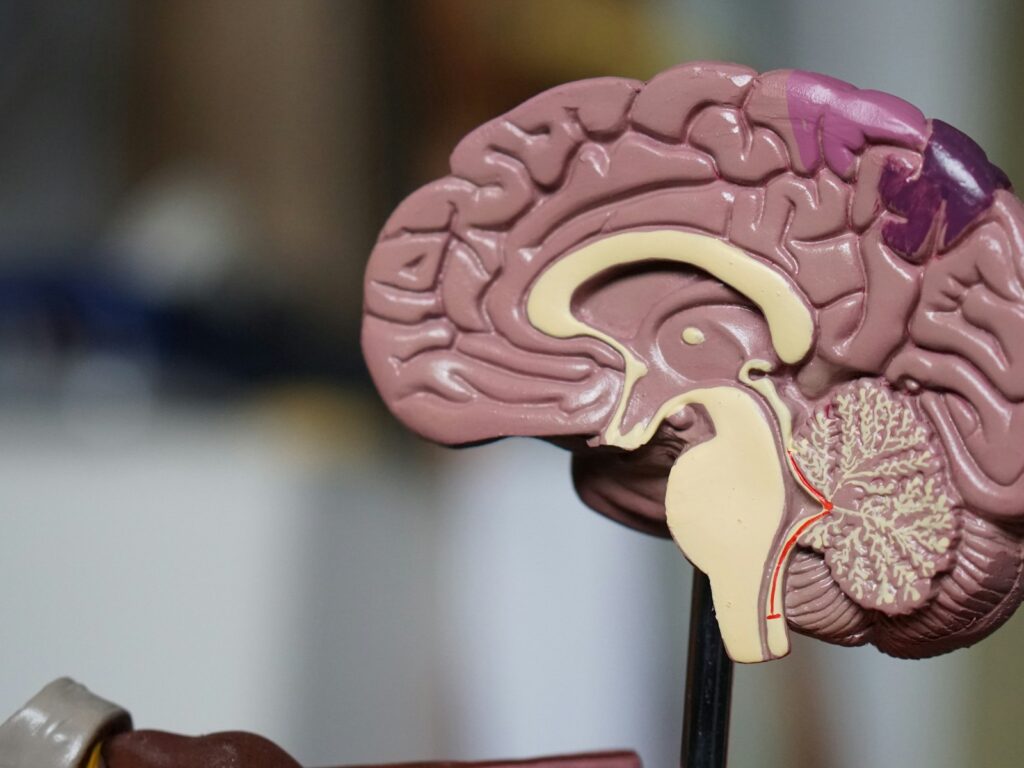
After a brain injury, coming home is a milestone, but it is rarely the end of rehabilitation. For many people, the most meaningful progress happens in the months that follow, in their own kitchen, hallway, garden and street. Acquired brain injury rehabilitation at home focuses on the everyday goals that matter to you, such as walking safely, getting in and out of the shower, or going back to a hobby.
This guide explains what an acquired brain injury (ABI) is, how physiotherapy helps at home, how goals are set, and how rehabilitation can be funded through the NDIS, the TAC and other programs. It is general information only, not medical advice. Your rehabilitation team, GP and treating specialists can advise on your situation.
The short answer
- An acquired brain injury is any damage to the brain that happens after birth, including from a blow to the head, stroke, lack of oxygen, infection or disease.
- Effects differ for every person, and can include physical, thinking, behavioural and sensory changes. Fatigue is common.
- Physiotherapy at home works on balance, walking, strength, coordination, arm and hand function, and safety, using your real environment.
- Good rehabilitation is built around your own goals, with family and carers involved.
- Funding may come from the TAC (for transport accidents in Victoria), the NDIS (if eligible and under 65 when applying), Medicare, DVA, aged care programs or private payment.
What is an acquired brain injury?
The Better Health Channel defines ABI as any type of brain damage that occurs after birth. Causes include:
- Physical injury, such as a blow to the head in a vehicle accident, sport, a fight or a fall. This is called a traumatic brain injury.
- Stroke, when a blood vessel in the brain is blocked or bleeds.
- Lack of oxygen, for example after a near drowning.
- Infection or disease, and in some cases prolonged alcohol or drug use.
The long-term effects are hard to predict and range from mild to profound. The Better Health Channel notes it is common for people with ABI to experience increased mental and physical fatigue and slower processing, and they may have changes in behaviour, physical and sensory abilities, and thinking and learning.
If your brain injury was caused by a stroke, our guide to post-stroke recovery at home covers stroke-specific rehabilitation.
How physiotherapy helps at home
Physiotherapy after a brain injury focuses on movement and function. Depending on your needs, it may involve:
- Balance and walking, including safe turning, walking outdoors, and managing kerbs, slopes and stairs.
- Strength and coordination, especially where one side of the body is weaker.
- Arm and hand function for tasks such as eating, dressing and writing.
- Transfers, such as getting in and out of bed, chairs, the shower and the car.
- Fatigue management, pacing activity so that exercise and daily tasks do not leave you exhausted.
- Falls prevention and advice on walking aids, braces and equipment.
- Carer training, so family can safely help with exercises and movement.
Why home is a good place for rehabilitation
For many people with neurological conditions, getting to a clinic is the hardest part. Fatigue, mobility problems and transport can use up energy before treatment even starts. At home:
- there is no travel, so more energy is left for rehabilitation
- your physio can practise tasks in the exact place you do them, such as your bathroom, your stairs and your front step
- family and carers can join in, learn the program and support practice between visits
- it is easier to spot and fix hazards in the home
Setting goals that matter
Rehabilitation works best when it is built around specific, meaningful goals. Your physio will talk with you, and with family if you wish, about what you want to be able to do. Examples:
- walk to the letterbox and back safely without help
- shower independently using a shower chair and rail
- walk to the local cafe with a friend
- get down to, and up from, the floor to play with grandchildren
- return to gardening, a gym class or part-time work
Big goals are broken into smaller steps and reviewed regularly, so progress is visible. For NDIS participants, these goals can link directly to the goals in your plan.
Safety line for home exercise: only practise exercises your physio has set for you, hold a stable surface when standing, and have someone nearby for balance work. Stop and rest if you feel dizzy, unwell or very fatigued.
Funding for ABI rehabilitation
TAC
If your brain injury was caused by a transport accident in Victoria, the TAC may cover treatment. According to the TAC, it can help pay for physiotherapy in the first 90 days after the accident without prior approval if you have a claim number, a health professional recommends it and it is for your accident injuries. After that, TAC approval is needed. Home visits for TAC clients need approved provider travel. See our TAC mobile physiotherapy page.
NDIS
To be eligible for the NDIS, you must be under 65 when you apply, meet residence requirements, and have a disability caused by an impairment that is likely to be permanent and substantially affects your ability to do daily activities. Physiotherapy can then be funded from your plan. Our NDIS physiotherapy page explains how we work with participants.
Other options
- Medicare: a GP chronic condition management plan provides a rebate for up to 5 allied health services a year.
- Aged care: people 65 and over may access physiotherapy through Support at Home, where clinical supports such as physio carry no participant contribution.
- DVA, WorkCover, private health insurance and private payment may also apply.
When to seek urgent help
Call triple zero (000) immediately if someone has:
- sudden weakness or numbness of the face, arm or leg, trouble speaking, or a drooping face, which can be signs of a stroke
- a seizure
- a sudden severe headache, repeated vomiting, or increasing drowsiness or confusion, especially after a knock to the head
- a fall with a head strike, particularly if they take blood-thinning medicine
See the GP promptly for new or worsening problems with walking, balance, mood or memory.
Frequently asked questions
Is it too late for rehab if the injury was years ago?
Many people keep working on goals long after their injury. A physio can assess where you are now and set goals that fit your current life.
Can family members attend sessions?
Yes, and we encourage it. Carers who understand the program can help with practice between visits and keep everyone informed.
Does the physio work with other therapists?
Yes. We work alongside occupational therapists, speech pathologists, psychologists and other members of your team so everyone is working towards the same goals.
Rehabilitation that comes to you
Our physiotherapists support people with acquired brain injuries at home across Melbourne and the Geelong region. Learn more about our neurological mobile physiotherapy, then make a referral or contact our team on 03 8824 0712.

Written by
Calvin Yung, Mobile Physiotherapist
Calvin is a mobile physiotherapist at Khy Physio with a special interest in geriatric care, including mobility, balance, falls prevention and recovery after joint replacement. He speaks English, Cantonese and Mandarin. Meet Calvin