
Article & News
Multiple Sclerosis Physiotherapy at Home | Khy Physio
22/04/2026 · Khy Physio
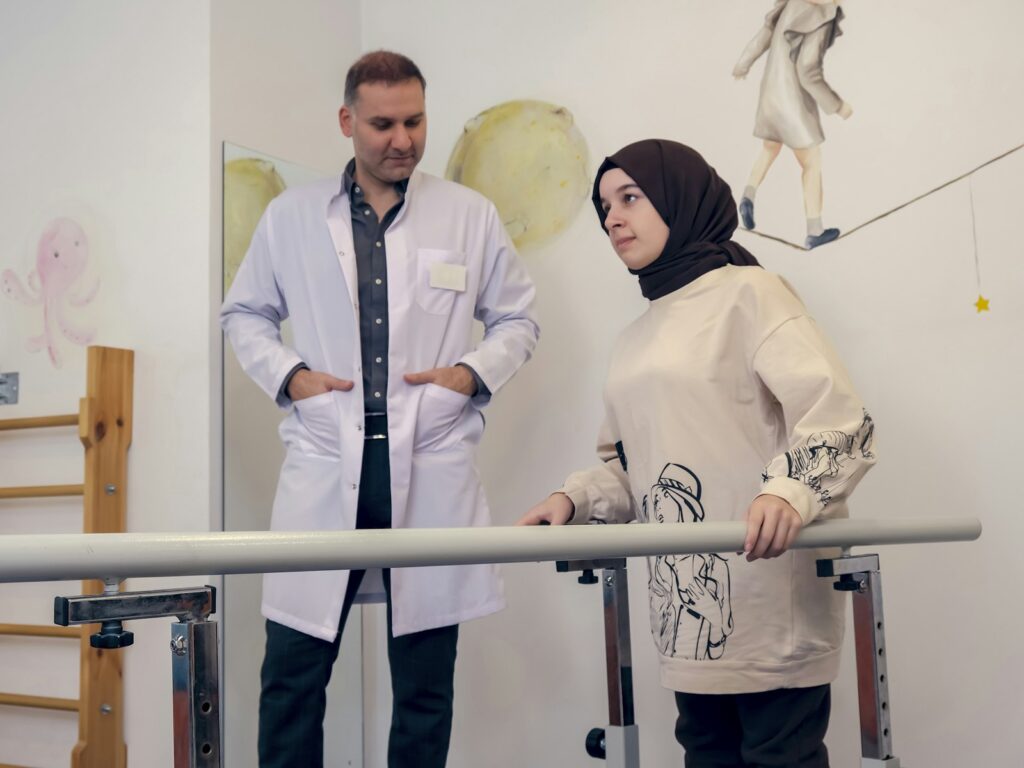
Living with multiple sclerosis (MS) can mean your energy, balance and mobility shift from day to day, and sometimes hour to hour. Multiple sclerosis physiotherapy focuses on working with those changes, so you can stay active, safe and as independent as possible in your own home.
This is general information only, not personal medical advice. MS affects everyone differently, so the right plan for you should come from an individual assessment with a physiotherapist and, where needed, your GP or neurologist.
How physiotherapy helps when you’re living with MS
MS is a condition of the central nervous system, and its symptoms vary widely between people and over time. You might notice fatigue, muscle weakness or stiffness (spasticity), balance and coordination problems, altered sensation, or changes in walking. Some people have relapsing symptoms that come and go; others notice a more gradual change over the years.
Physiotherapy doesn’t cure or slow MS itself, but a well-paced program can genuinely help you manage day-to-day symptoms. The goal is practical: keep you moving safely, protect your independence, reduce the risk of falls, and help you do the things that matter to you with less struggle. Because we come to you, everything is tailored to your actual home, your routine and your energy on the day.
Managing MS fatigue and conserving energy
Fatigue is one of the most common and most misunderstood MS symptoms. It isn’t ordinary tiredness, and you can’t always push through it. A physiotherapist can help you recognise your own fatigue patterns and build energy conservation into everyday life, not just into “exercise time”.
A widely used approach is the four Ps of energy management:
- Pacing — breaking activity into manageable chunks with rest before you’re exhausted, not after.
- Planning — scheduling demanding tasks for the times of day you usually have the most in the tank.
- Prioritising — deciding what truly needs doing today and letting some things wait.
- Positioning — setting up tasks so you can sit rather than stand where possible, and keeping frequently used items within easy reach.
Reassuringly, gentle, well-graded exercise often helps MS-related fatigue over time rather than adding to it. The skill is in the dose. A physiotherapist matches activity to what your body tolerates, builds in rest within the session and across the week, and adjusts as your symptoms fluctuate. Because we visit at home, we can also look at your kitchen, bathroom and daily routine to find small changes that save energy where it counts.
Improving balance, mobility and walking
Balance and walking changes are common in MS and are a leading reason people feel unsteady or worried about falling. Physiotherapy can help through targeted work such as:
- Balance retraining using safe, progressive exercises suited to your current ability.
- Strength and flexibility work for the legs, hips and core to support steadier movement.
- Gait practice to improve how you walk, turn and manage steps or thresholds at home.
- Advice on walking aids and equipment — a stick, frame, ankle-foot orthosis or handrails — where these genuinely help.
- Managing spasticity through stretching, positioning and movement strategies, alongside your medical team’s input.
Heat sensitivity matters here too. Many people with MS find symptoms worsen temporarily when they overheat, so we’ll often plan sessions for cooler times of day, keep the environment comfortable, and build in ways to cool down. If you’d like more on staying steady on your feet as you get older, our page on physiotherapy for seniors covers complementary ground.
What an in-home MS physiotherapy assessment involves
Your first visit is a conversation as much as an assessment. Your physiotherapist will ask about your MS history, how symptoms affect your day, what’s important to you, and what a good outcome would look like. They’ll gently check things like strength, balance, walking, joint movement and how you manage everyday tasks — always within what’s comfortable on the day.
From there you build a plan together. That might include a short, realistic home exercise program, fatigue and energy strategies, equipment suggestions, and clear goals you both agree on. Doing this at home has real advantages: we see the actual stairs, doorways and surfaces you navigate, so the advice is specific rather than generic. If you’re recovering after a hospital stay, we can also help continue your care smoothly in your own environment.
NDIS funding and individualised MS care
Many people with MS access physiotherapy through their NDIS plan. Physiotherapy usually sits under Capacity Building — Improved Daily Living, and can be used for assessment, hands-on therapy, a home exercise program, fatigue management and equipment advice.
If you’re self-managed or plan-managed, you can generally engage us directly; agency-managed plans have their own process, and we’re happy to talk you through it. Our NDIS physiotherapy page explains how in-home visits work under a plan, and our funding and pricing page sets out the different ways sessions can be paid for.
NDIS isn’t the only pathway. Depending on your circumstances, MS physiotherapy at home may also be funded through a Home Care Package or Support at Home for older Australians, through DVA for eligible veterans, or under a Medicare chronic disease management (CDM) plan arranged by your GP. If you’re unsure which applies to you, get in touch and we’ll help you work it out.
Whatever the funding, the care itself is individualised. MS varies so much between people that a one-size-fits-all program rarely works. Your program is built around your symptoms, your goals and your energy — and it’s designed to flex as those change.
Staying safe and knowing when to seek urgent help
Gentle, appropriately dosed exercise is safe and beneficial for most people with MS, but it should always be guided by an assessment. Stop and rest if an activity causes sharp pain, and let your physiotherapist know about any new or worsening symptoms so your program can be adjusted.
A sudden, marked change in your neurological symptoms — new severe weakness, vision loss, difficulty speaking or swallowing, or a possible relapse — should be discussed promptly with your neurologist or GP. And as always, for signs of a stroke (sudden facial droop, arm weakness or slurred speech), chest pain, or another medical emergency, call 000 straight away.
Frequently asked questions
Can physiotherapy make MS worse?
No — well-designed physiotherapy is safe for MS and does not accelerate the condition. Occasionally, overheating or overdoing an activity can cause a temporary flare of symptoms that settles with rest. That’s exactly why your program is graded carefully, paced to your energy, and adjusted over time by your physiotherapist.
Will exercise increase my MS fatigue?
It’s a common worry, but the opposite is often true. Regular, gently graded activity tends to improve energy and ease MS-related fatigue over time. The key is the right dose with built-in rest, which your physiotherapist tailors to how you’re feeling day to day.
Does the NDIS cover MS physiotherapy at home?
In many cases, yes. Physiotherapy commonly sits under Capacity Building — Improved Daily Living in an NDIS plan, and in-home visits are supported. How you book depends on whether your plan is self-, plan- or agency-managed. Our NDIS physiotherapy page has the details, or you can contact our team to check.
Do you travel to my suburb?
We provide mobile physiotherapy across Melbourne and the Geelong region, visiting homes, aged-care facilities and community settings. You can check the suburbs we serve or simply ask us — we’re often able to help even if you’re just outside the usual areas.
Book an in-home MS assessment
If you or someone you care for is living with MS, a home visit is a comfortable, practical place to start. We’ll assess where you’re at, build a plan around your energy and goals, and help you get more out of each day. Book an in-home assessment or phone our friendly team — we’d be glad to talk through how mobile physiotherapy could help.

Written by
Calvin Yung, Mobile Physiotherapist
Calvin is a mobile physiotherapist at Khy Physio with a special interest in geriatric care, including mobility, balance, falls prevention and recovery after joint replacement. He speaks English, Cantonese and Mandarin. Meet Calvin