Article & News
Post-Stroke Physiotherapy at Home: Recovery Guide
27/05/2026 · Khy Physio
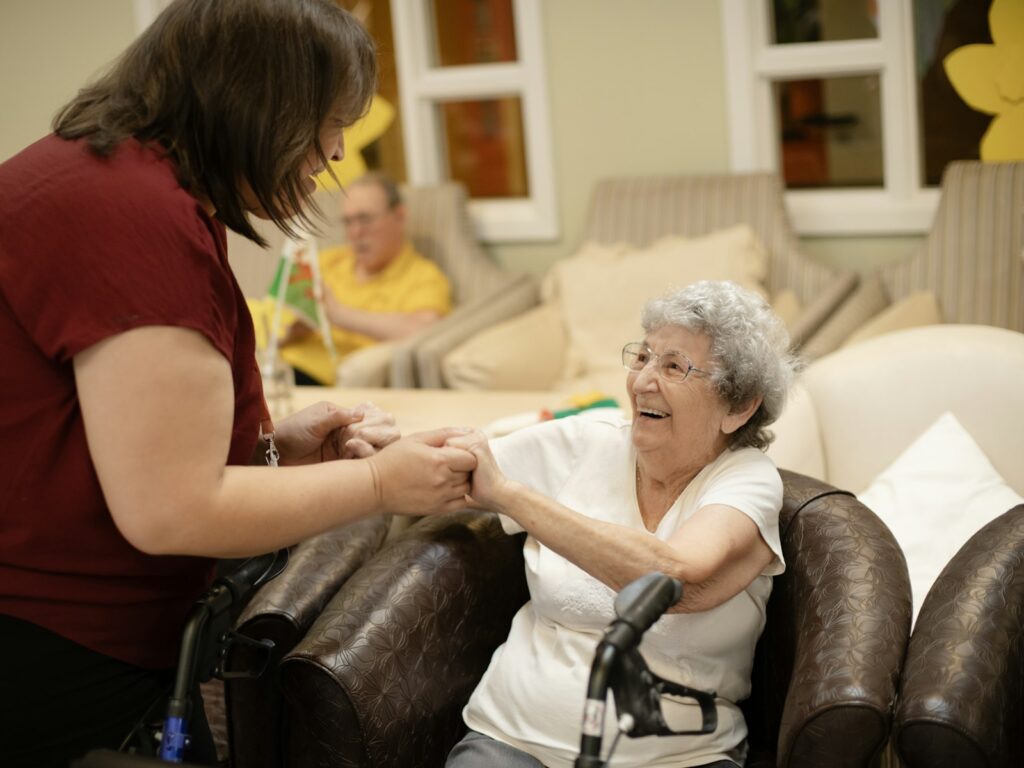
Recovery after a stroke is rarely a straight line, and a great deal of the hard, hopeful work happens once you are back in familiar surroundings. This guide explains how post stroke physiotherapy at home can help you or someone you love rebuild movement, balance, walking and confidence, and how carers and funding fit into the picture.
Why home is a good place to recover after a stroke
A stroke can affect movement, strength, balance, coordination and the way one side of the body works. After the early hospital and rehabilitation stage, recovery often continues for many months, and much of it depends on regular, purposeful practice woven into daily life.
Doing that practice at home has real advantages. You are working in the exact spaces where you need to move safely: your own hallway, your kitchen, your bathroom, the step at the front door. A mobile physiotherapist can see the real obstacles, tailor exercises to your actual furniture and floor surfaces, and help you rehearse the tasks that matter most to you. There is no clinic to travel to, no waiting room, and no energy spent on a car trip when fatigue is already one of the biggest challenges after a stroke.
Home-based care also makes it easier to involve the people around you. Family and carers can watch, learn and become confident helpers rather than anxious bystanders, which we come back to shortly.
What in-home physiotherapy after a stroke involves
Every recovery is different, because no two strokes are the same. A physiotherapist will start with a thorough assessment, looking at how you move, your strength and balance, how you walk, and the goals that matter to you and your family, then build a plan around those goals. Common areas of work include the following.
Regaining movement and strength
A stroke often leaves one side of the body weaker or harder to control. Physiotherapy uses repeated, targeted movement to help the brain and body relearn control, drawing on neuroplasticity, the brain’s ability to reorganise and form new pathways with practice. In practice that might mean guided exercises for the affected arm and hand, work to activate weak leg muscles, or gentle movement to keep joints supple and manage stiffness or muscle tightness. Regular repetition is what makes the difference, and a home program makes it far easier to keep going between visits.
Rebuilding balance and reducing falls
Balance is frequently affected after a stroke, which can raise the risk of falls at home. A physiotherapist works on sitting and standing balance, shifting your weight safely, and the confidence to move around your home. They will also look at your environment, such as loose rugs, lighting, the height of chairs and the bed, and where a grab rail might help, and suggest practical changes specific to your rooms rather than generic advice.
Walking again, step by step
Getting back on your feet is a common and deeply important goal. Physiotherapy might begin with standing and a few supported steps, then progress to walking with a frame or stick, and later to walking further, turning safely, and managing steps and thresholds. Some people benefit from equipment such as an ankle-foot orthosis, and a physiotherapist can talk through whether that might suit you and, if so, how to use it well.
Rebuilding confidence
Confidence is easy to overlook but central to recovery. Many people become wary of moving after a stroke, especially after a fall or a near-miss. A steady, encouraging physiotherapist who meets you where you are, literally in your living room, helps you take safe steps, notice your progress, and gradually trust your body again. That renewed confidence often unlocks more independence than the physical gains alone.
The role of carers and family
Carers are one of the most valuable parts of stroke recovery, and good in-home physiotherapy makes the most of that. Rather than movement happening only during a visit, a physiotherapist shows partners, adult children and other carers how to support safe practice through the week: how to help with a transfer from bed to chair, how to cue a walking pattern, and how much help to give (and when to hold back so the person can do more for themselves).
This coaching matters for safety too. Learning the right way to assist a transfer helps protect both the person recovering and the carer’s own back. A physiotherapist can also suggest simple equipment, help you understand what is realistic, and be a reassuring point of contact when you are unsure. If you are caring for someone, your own wellbeing counts as well; recovery is a marathon, and looking after the carer is a legitimate part of the plan. You can always get in touch with our team to talk through what would help most.
Funding your in-home stroke recovery
One of the most common questions we hear is how to pay for ongoing physiotherapy at home. The reassuring news is that several funding pathways can help, depending on your age and circumstances.
- NDIS — For people under 65 living with lasting effects of a stroke, physiotherapy is often funded through an NDIS plan under capacity building. Learn more about how NDIS physiotherapy at home works and what to expect.
- Home Care Package — Older Australians with a package can use their funds for allied health, including physiotherapy. See how a Home Care Package can cover physiotherapy.
- Support at Home — This aged-care in-home program can include physiotherapy to help you stay safe and independent at home. Read about Support at Home physiotherapy.
- DVA — Eligible veterans and war widows or widowers may access physiotherapy through the Department of Veterans’ Affairs. Explore DVA physiotherapy for veterans.
- Medicare (Chronic Disease Management) — Your GP may prepare a Chronic Disease Management plan that subsidises a limited number of allied health visits each year.
- Private, TAC and WorkCover — You can self-fund, or use TAC (Victoria) or WorkCover cover where the stroke relates to an eligible claim.
If you are not sure which pathway fits, our funding and pricing page explains the options in plain English, and we are happy to help you work it out.
When to seek urgent help
Physiotherapy supports recovery, but some symptoms need immediate medical care. It helps to know the F.A.S.T. signs of a stroke and to act without delay: Face drooping, Arm weakness, Speech difficulty, Time to call 000. If you notice sudden facial droop, sudden weakness or numbness (especially on one side), slurred or confused speech, a sudden severe headache, or sudden trouble seeing or walking, call 000 straight away, as another stroke is a medical emergency. This article is general information only. For advice about your own situation, please speak with your GP or ask a physiotherapist to assess you.
Frequently asked questions
How soon after a stroke can physiotherapy start at home?
Rehabilitation usually begins in hospital, and many people continue at home once they are discharged. There is no single point where it is “too late” to benefit, as the brain can keep adapting for a long time, so home physiotherapy can be valuable in the early weeks and also months or years down the track. The best first step is an assessment so a physiotherapist can tailor a plan to where you are now.
Can physiotherapy help if it has been a long time since the stroke?
Often, yes. While some of the fastest changes tend to happen early, improvements in strength, balance, walking and confidence can still be possible well after a stroke. Consistent, well-targeted practice at home can help you build on your function or maintain the gains you have already made. A physiotherapist can give you a realistic picture after assessing you.
Do we need a referral to arrange in-home physiotherapy?
For private clients, and many NDIS or Home Care Package clients, you can usually book directly. Some funding pathways, such as a Medicare care plan or DVA, do involve your GP. If you are unsure, contact us and we will guide you through what is needed for your situation.
Which areas do you cover?
Our physiotherapists travel to homes, aged-care facilities and community settings across Melbourne and the Geelong region. You can check your suburb on our areas we serve page.
Ready to take the next step?
Recovering after a stroke is hard work, but you do not have to do it alone, and you do not have to leave home to get expert help. Whether you are just home from hospital or looking to keep making progress months later, a caring, experienced physiotherapist can meet you where you are and build a plan around your goals. Book an in-home assessment today, or phone our friendly team on 03 8824 0712 to talk about how we can support your recovery.

Written by
Calvin Yung, Mobile Physiotherapist
Calvin is a mobile physiotherapist at Khy Physio with a special interest in geriatric care, including mobility, balance, falls prevention and recovery after joint replacement. He speaks English, Cantonese and Mandarin. Meet Calvin