
Article & News
Chair Exercises for Seniors With Limited Mobility
16/06/2026 · Khy Physio
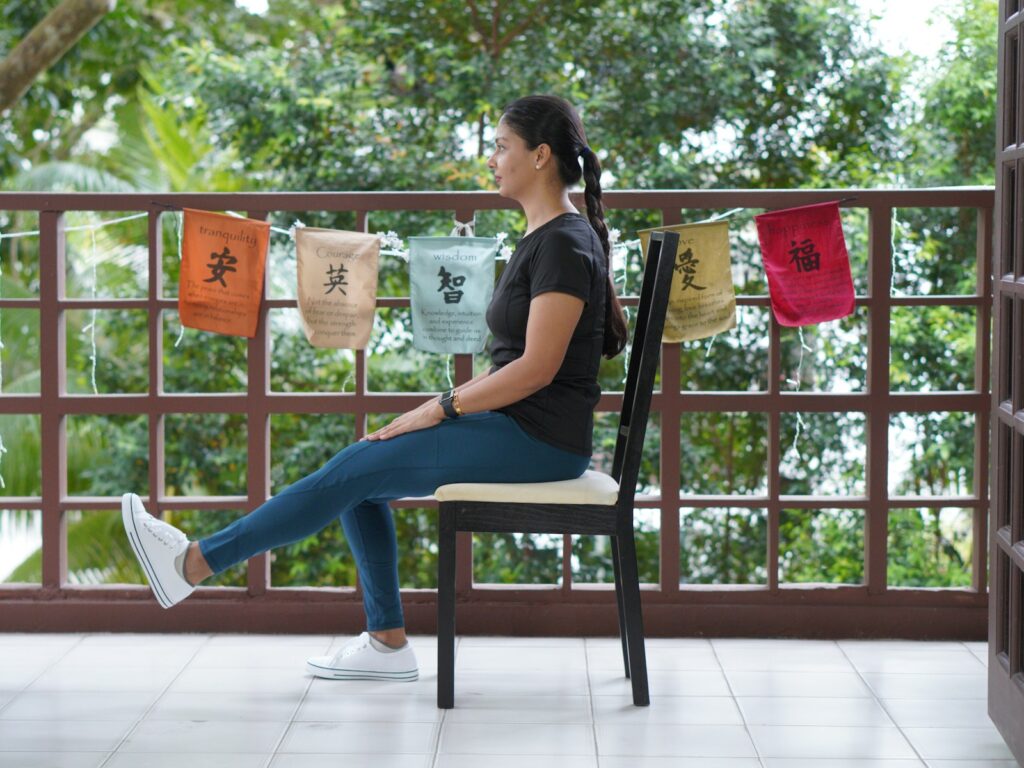
If standing for long tires you out or feels unsteady, you can still keep your body strong and moving from a chair. This guide shares safe, gentle chair exercises for seniors who have limited mobility, with clear steps you can follow at home.
Staying active matters at every age, and you don’t need to be on your feet to benefit. Seated exercise can help maintain strength in your arms and legs, keep your joints moving, encourage circulation in your lower legs, and support your confidence for the times you do stand. Australia’s physical activity guidelines encourage older adults to aim for around 30 minutes of movement on most days, and it’s perfectly fine to build that up in short bursts rather than all at once.
Before you start: staying safe
A little preparation makes seated exercise safer and more comfortable. This is general information only, not personal medical advice. If you have a heart or lung condition, recent surgery, dizziness, or you’re simply unsure whether an exercise suits you, please check with your GP or a physiotherapist first.
- Use a sturdy, stable chair with a firm seat and no wheels or castors. A dining chair with arms is ideal. Avoid soft armchairs and recliners that you sink into.
- Sit well back so your bottom is against the backrest and your feet are flat on the floor. If your feet don’t quite reach, pop a book or low footstool underneath.
- Wear supportive footwear or go barefoot on a non-slip floor rather than socks alone.
- Keep water nearby and take your time. Move slowly and smoothly, never with a jerk or bounce.
- Keep breathing. A helpful rule is to breathe out on the effort and never hold your breath.
Stop and rest if you feel dizzy or faint, become breathless beyond a comfortable puff, or notice any sudden, sharp pain. A gentle warmth or mild muscle tiredness during exercise is normal; sharp joint pain is not. If chest pain or tightness, severe breathlessness, or signs of a stroke come on (face drooping, arm weakness, slurred speech), call 000 immediately.
Warming up in your chair
Spend two or three minutes warming up so your muscles and joints are ready. Sitting tall, march your feet gently on the spot, then roll your shoulders slowly backwards a few times. Turn your head slowly to look over one shoulder, then the other, and gently tip each ear towards its shoulder. Keep every movement small and comfortable to begin with.
Seated exercises for circulation
Sitting for long stretches can leave the lower legs feeling heavy. These gentle moves help the blood and fluid keep moving, and they’re especially worthwhile if you’re seated for much of the day.
- Ankle pumps: With your heels on the floor, point your toes up towards you, then push them down away from you. Repeat 10 to 15 times. This works the calf muscles that help pump blood back up your legs.
- Ankle circles: Lift one foot slightly off the floor and draw slow circles with your toes, about five in each direction, then swap feet.
- Toe and heel raises: Keeping your toes down, lift both heels; then keep your heels down and lift your toes. Alternate for around 10 repetitions.
Seated exercises for strength
Maintaining muscle strength helps with everyday tasks like standing up, reaching a shelf, or carrying shopping. Do each movement slowly and aim for around 8 to 10 repetitions, resting between them. If an exercise starts to feel too easy, add a repetition or two rather than rushing.
Legs
- Knee extensions: Sitting tall, slowly straighten one knee to lift your foot until the leg is roughly level, hold for a moment, then lower with control. This strengthens the thigh muscles that support your knees and help you stand.
- Seated marching: Lift one knee up, lower it, then the other, as if marching in slow motion. This works your hips and supports walking.
- Heel and toe taps: Tap your heel forward, return, then tap your toes back under the chair. A gentle way to mobilise the ankles and lower legs.
Arms and upper body
- Arm raises: Raise both arms out in front to shoulder height, then lower slowly. Once that feels comfortable, try raising them out to the sides. You can hold a light household item such as a small water bottle or tin to add a little resistance.
- Shoulder blade squeezes: Sitting tall, draw your shoulder blades gently back and together, as if holding a pencil between them, hold briefly, then release. This helps posture and counters rounding forward.
- Seated punches: Slowly reach one arm forward at chest height, then the other, keeping the movement controlled.
Seated exercises for mobility and flexibility
Keeping your joints supple makes daily movements easier. Move only as far as feels easy, and never force a stretch.
- Seated trunk turns: With hands resting on your thighs, slowly turn your upper body to look over one shoulder, then the other. This keeps your spine mobile for tasks like checking over your shoulder or reaching sideways.
- Neck stretches: Slowly tilt one ear towards your shoulder until you feel a gentle stretch on the opposite side of your neck, hold for a few breaths, then swap.
- Seated hamstring stretch: Straighten one leg with the heel on the floor and toes up. Sitting tall, lean forward slightly from the hips until you feel a gentle stretch behind the thigh. Hold for around 20 seconds, then swap legs.
- Wrist and hand mobility: Make slow, loose fists then spread your fingers wide, and circle your wrists in each direction. Handy if arthritis or stiffness affects your hands.
How often should you do chair exercises?
A gentle, regular routine beats an occasional big effort. Many people do well starting with 10 to 15 minutes once a day and building up as they feel stronger. You might weave a few circulation moves into the ad breaks on television and save the strength and mobility work for a set time each day. The key idea in the Australian guidelines is to break up long stretches of sitting as often as you can, so even standing where you’re able, or doing a few ankle pumps each hour, all adds up. Consistency, not intensity, is what protects strength and mobility over time.
Everyone’s starting point is different. If you’re recovering from a hospital stay, living with a chronic condition, or managing pain, a physiotherapist can tailor a seated program to your body and goals and progress it safely as you improve. Our team offers in-home physiotherapy for seniors and care in aged-care settings across Melbourne and the Geelong region, so you don’t have to travel or manage a clinic waiting room.
Making chair exercise a lasting habit
Small touches help a routine stick. Do your exercises at the same time each day, perhaps after breakfast, so it becomes part of your rhythm. Keep your chair somewhere with room to move your arms and legs freely. If you like company, invite a partner, friend, or carer to join you, or put on some favourite music. And notice your progress, whether that’s an extra repetition or standing up from the chair more easily than last month.
If exercise is part of an NDIS plan, Home Care Package, or Support at Home program, a physiotherapist can build it into your goals and show your carers how to support you safely between visits. You can read more about NDIS physiotherapy and using a Home Care Package for physio, or see how Support at Home physiotherapy can help you stay active where you live.
Frequently asked questions
Are chair exercises enough on their own?
For many people with limited mobility, seated exercise is a genuinely valuable way to maintain strength, circulation and joint movement, and it may be the safest option when standing is difficult or unsteady. Over time, and with guidance, some people can add standing or supported exercises too. A physiotherapist can assess what’s realistic and safe for you and help you progress at a comfortable pace.
How do I know if I’m doing them correctly?
Good form means sitting tall, moving slowly and smoothly, and staying within a comfortable range with no sharp pain. If you find yourself holding your breath, straining, or feeling unsteady, it’s worth having a physiotherapist watch you once and correct any technique. During an in-home visit we can check your chair setup and coach each exercise in person.
Can I do these if I have arthritis or joint pain?
Gentle movement is often helpful for stiff, arthritic joints, but the right amount varies from person to person. Move within a pain-free range, warm up first, and stop anything that causes sharp or lasting pain. It’s best to get advice tailored to your joints from a physiotherapist or your GP rather than pushing through discomfort.
Is it safe to exercise alone at home?
Many seated exercises are safe to do alone once you’re confident with them, provided you’re in a stable chair with a clear space and a phone within reach. If you feel unsteady, have had falls, or are just starting out, it’s sensible to have someone nearby the first few times. A physiotherapist can help you judge what’s safe to do independently.
Ready to get moving from your chair?
You don’t have to work out what’s safe on your own. Our physiotherapists come to you at home, in aged care, or in the community, right across Melbourne and Geelong, to build a seated program that suits your body, your funding, and your goals. To book an in-home assessment, make a referral here, or get in touch with our friendly team for a chat. We’d love to help you stay strong, steady, and confident, one gentle movement at a time.

Written by
Calvin Yung, Mobile Physiotherapist
Calvin is a mobile physiotherapist at Khy Physio with a special interest in geriatric care, including mobility, balance, falls prevention and recovery after joint replacement. He speaks English, Cantonese and Mandarin. Meet Calvin