
Article & News
Broken rib recovery: breathing, pain relief and getting moving after a fall
13/11/2026 · Khy Physio
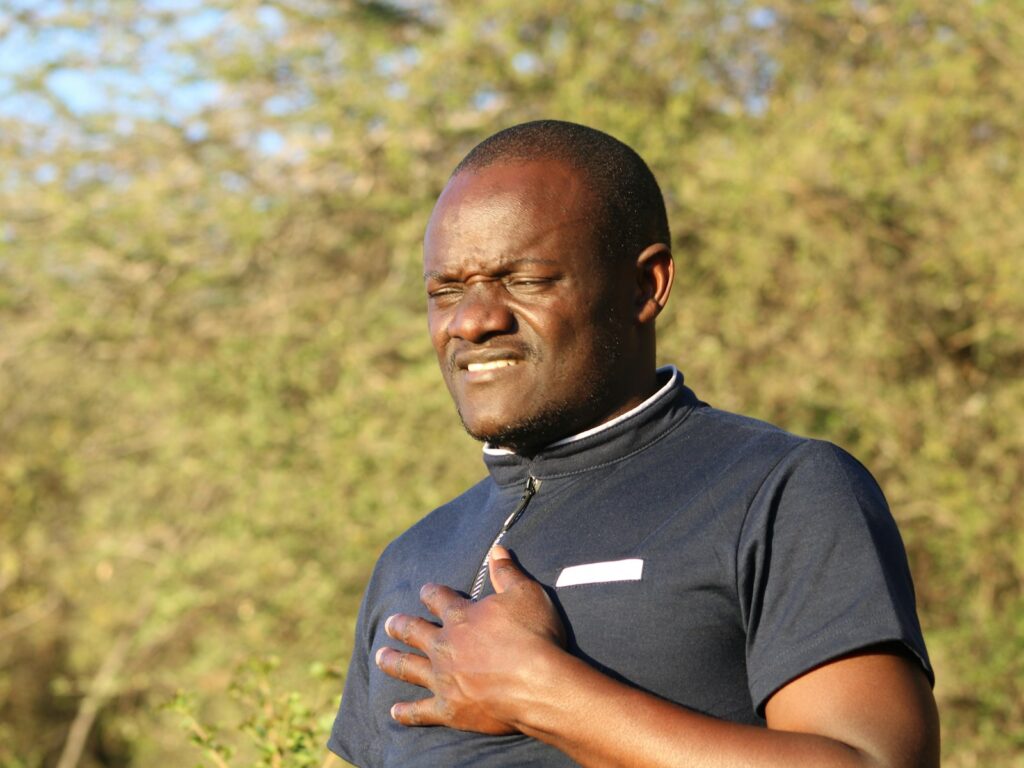
A fall against the edge of a bath, a bench or a step can easily crack or break a rib. It hurts to breathe, cough, laugh and roll over in bed. Most broken ribs heal by themselves, but broken rib recovery needs a little more care in older adults, because pain can stop you breathing deeply and moving about, and that raises the risk of a chest infection.
This guide covers what to expect, how to manage pain, simple breathing exercises, getting moving safely, and the warning signs that need urgent attention. It is general information only, not medical advice. If you have fallen and hurt your chest, see your GP or seek medical care to have it checked.
The short answer
- Broken or bruised ribs usually get better by themselves within 2 to 6 weeks.
- Ribs cannot easily be splinted or strapped, so they are usually left to heal naturally.
- Keep breathing deeply and coughing when you need to. This helps clear your lungs and prevent chest infections.
- Keep moving. Walking around and moving your shoulders helps your breathing.
- Get urgent help for worsening breathlessness or chest pain, coughing up blood, or pain in the tummy or shoulder.
Why broken ribs need extra care as we age
The NHS notes that broken or bruised ribs are usually caused by a fall, a blow to the chest or severe coughing, and cause strong chest pain, particularly when breathing in or coughing. There is often no need for an X-ray, and treatment focuses on managing pain and keeping the lungs clear.
Age changes the risk. A study of people aged 65 and over who were admitted to a trauma centre with rib fractures found they had twice the death rate and chest complications of younger patients with similar injuries. Pneumonia occurred in 31% of the older group compared with 17% of younger patients, and the risk rose with each additional broken rib (Bulger et al, 2000). Those patients had significant injuries, and most people with a single cracked rib from a minor fall recover well at home. But it shows why breathing, pain control and staying active matter.
Managing the pain
Good pain control is not just about comfort. It lets you breathe deeply, cough and move, which protects your lungs. The NHS suggests:
- pain relief such as paracetamol, or ibuprofen gel or tablets if needed. Check with your GP or pharmacist which options are safe for you, especially if you take other medicines
- holding an ice pack wrapped in a tea towel against the sore ribs regularly in the first few days, to reduce swelling
- resting when you need to
- sleeping more upright for the first few nights
- not smoking.
The NHS also advises against lying down or staying still for long periods, straining yourself, lifting heavy objects, and doing any exercise that makes the pain worse.
Breathing exercises
These simple exercises help keep your lungs clear while the ribs heal. Do them sitting upright in a supportive chair or propped up in bed, and do them regularly through the day. Stop and seek advice if you become more short of breath rather than less.
- Slow deep breaths. Relax your shoulders. Breathe in slowly through your nose, filling the bottom of your lungs as much as the pain allows. Hold for a moment, then breathe out gently through your mouth. Repeat a few times, then rest.
- Supported cough. Hug a pillow or folded towel firmly against the sore side of your chest. Take a breath in, then cough. The support makes coughing less painful. Do not hold back a cough when you need to clear mucus.
- Shoulder movements. Gently roll your shoulders, and lift your arms as far as is comfortable, to help your chest expand.
- Short walks. Walking around the house regularly helps you breathe more deeply and clear mucus from your lungs.
Getting moving around the home
Rolling over and getting out of bed are often the most painful moments. It can help to bend your knees, roll onto your side as one unit, then push up with your arms while lowering your legs over the edge of the bed. Take your time, and sit on the edge of the bed for a moment before standing.
Use a sturdy chair with armrests so your arms can help when you stand. Ask family or friends to help with heavy jobs such as shopping, washing and gardening for a few weeks. If pain makes daily tasks hard, a physio can visit you at home to help with breathing, getting in and out of bed, and staying active. Our guide to physiotherapy after hospital discharge explains how this works if you have been in hospital.
After a fall: looking at the bigger picture
A broken rib from a fall is also a signal worth acting on. Once the pain has settled, think about why the fall happened and how to prevent another:
- Ask your GP whether a check of your bone health is appropriate, especially if the rib broke in a minor fall.
- Review trip hazards, lighting and footwear with our falls prevention guide.
- Learn how to get up safely after a fall, or how to get help if you cannot.
- Consider a strength and balance program with a physiotherapist.
When to seek urgent help
Call 000 or go to an emergency department if you have a broken or bruised rib and:
- the injury was caused by a serious accident, such as a car accident
- your shortness of breath is getting worse
- your chest pain is getting worse
- you have pain in your tummy or shoulder
- you are coughing up blood.
These can mean a broken rib has damaged something else, such as a lung, the liver or the spleen. Do not drive yourself.
See your GP urgently if your pain has not improved within a few weeks, you are coughing up yellow or green mucus, or you have a high temperature or feel hot, cold or shivery. You may need stronger pain relief or treatment for a chest infection.
Frequently asked questions
How long do broken ribs take to heal?
The NHS says broken or bruised ribs usually get better by themselves within 2 to 6 weeks. Some aching with certain movements can last a little longer.
Should my ribs be strapped?
No. Ribs cannot easily be splinted or supported like other bones, so the NHS says they are usually left to heal naturally.
Do I need an X-ray?
Often not. The NHS notes there is often no need for an X-ray. Your doctor will decide based on how you were injured and your symptoms.
What is the best way to sleep?
Sleeping more upright for the first few nights is often more comfortable. Extra pillows or a recliner chair can help.
Recovering at home after a fall
If you or a family member are recovering from a broken rib or a fall, our physiotherapists can visit you at home across Melbourne and the Geelong region to help with breathing, mobility and preventing further falls. Make a referral or contact our team on 03 8824 0712.

Written by
Calvin Yung, Mobile Physiotherapist
Calvin is a mobile physiotherapist at Khy Physio with a special interest in geriatric care, including mobility, balance, falls prevention and recovery after joint replacement. He speaks English, Cantonese and Mandarin. Meet Calvin