
Article & News
Neck arthritis (cervical spondylosis): exercises, physio and warning signs
12/11/2026 · Khy Physio
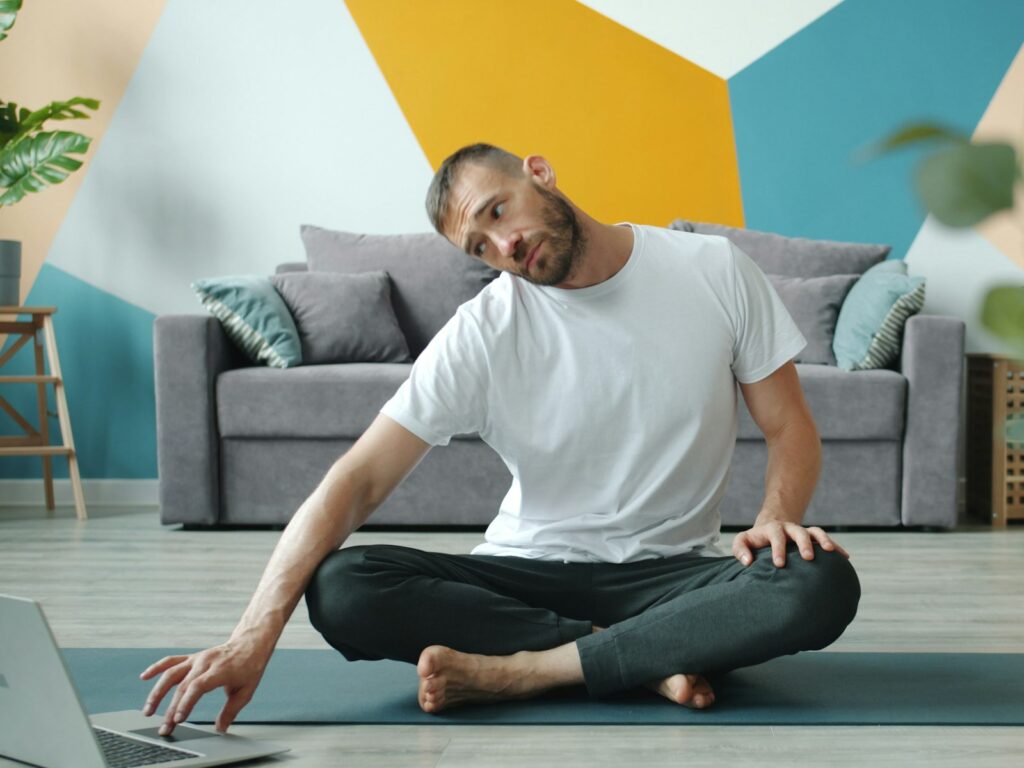
If your neck feels stiff first thing in the morning, grinds when you turn your head, or aches after a day of reading or driving, you may have been told you have “wear and tear” or arthritis in the neck. The medical name is cervical spondylosis. It is very common as we get older, and many people have it without any symptoms at all. When it does cause pain, gentle neck arthritis exercises and staying active are usually the first line of treatment.
This guide explains what cervical spondylosis is, what helps, some simple exercises, and the warning signs that need prompt medical attention. It is general information only, not medical advice. See your GP or physiotherapist for an assessment of your own neck.
The short answer
- Cervical spondylosis is age-related change in the bones and discs of the neck. It is a normal part of ageing and often causes no symptoms.
- When it does, symptoms include neck and shoulder pain or stiffness that comes and goes, and headaches that start at the back of the neck.
- Staying active, gentle neck exercises, good posture and simple pain relief are the usual first steps.
- Neck braces and collars are not considered useful for neck pain unless a health professional has advised one.
- Arm or leg weakness, clumsy hands, new problems walking, or bladder or bowel changes need urgent medical attention.
What is cervical spondylosis?
Healthdirect describes cervical spondylosis as wear and tear in the bones of your neck. The NHS notes that it is a common condition that often affects people over 40, that it is a normal part of ageing, and that many people have no symptoms at all. When symptoms do appear, the NHS lists:
- neck and shoulder pain or stiffness that can come and go
- headaches that often start at the back of the neck.
Less commonly, the changes can narrow the space for a nerve root, causing pain, pins and needles or weakness down one arm (cervical radiculopathy), or for the spinal cord itself (cervical myelopathy). These need a medical assessment, and they are covered in the warning signs section below.
What helps neck arthritis
According to healthdirect, if you have neck pain you should try to stay active and keep moving your neck naturally and gently, unless the pain was caused by an injury or accident, and avoid doing anything that causes you pain. Other helpful steps include:
- Exercises. Your doctor or physiotherapist can give you a simple set of exercises.
- Heat or ice. Heat packs or ice packs may help relieve stiffness and pain.
- Pain relief. Your doctor or pharmacist can recommend over-the-counter options, such as paracetamol or anti-inflammatory creams, gels or tablets, if they are safe for you.
- Posture and position. Change position regularly, take breaks from long periods of reading, screens or driving, and try not to slouch or push your chin forward.
- Avoid relying on a collar. Healthdirect says neck braces and collars are not considered useful, and should only be used briefly and on professional advice.
Physiotherapy may help you recover more quickly. A physio can assess how your neck and upper back move, provide hands-on treatment for short-term relief, and set an exercise program to keep you moving.
Gentle exercises to try
Do these sitting tall in a supportive chair. Move slowly, only within a comfortable range, and never force a stretch. Stop if you feel dizzy, if pain becomes sharp, or if you get pins and needles or pain spreading into an arm.
- Chin tucks. Look straight ahead. Gently draw your chin straight back, as if making a double chin, without tipping your head down. Hold for a few seconds, then relax.
- Turning. Slowly turn your head to look over one shoulder as far as is comfortable, pause, return to the centre, then turn to the other side.
- Side bending. Keeping your shoulders relaxed, slowly tip one ear towards the same shoulder, pause, return to the centre, then repeat on the other side.
- Shoulder blade squeezes. Gently draw your shoulder blades back and down, hold for a few seconds, then relax.
- Shoulder rolls. Lift your shoulders towards your ears, roll them back and down, and relax.
- Upper back extension. Sitting in a chair with a firm back, clasp your hands across your chest and gently lean your upper back over the top of the backrest, then return upright.
Short, regular sessions spread through the day tend to suit a stiff neck better than one long session. If you have osteoporosis, ask your physio before doing upper back exercises.
Everyday tips for a stiff neck
- Screens and reading. Raise your screen or book closer to eye level so you are not looking down for long periods.
- Pillows. Use a pillow that keeps your neck roughly in line with the rest of your spine, whether you sleep on your back or side.
- Driving. If turning to check blind spots is hard, discuss it with your GP, and ask your physio about exercises to improve rotation.
- Carrying. Avoid carrying heavy bags on one shoulder.
When to see your doctor
See your GP if neck pain is severe, getting worse, not easing after a few weeks, or affecting your daily life or sleep.
Ask for an urgent GP appointment if you have:
- severe neck pain that starts suddenly, or pain that is getting worse quickly
- heaviness or weakness in your arms or legs
- pins and needles in an arm as well as neck or arm pain
- neck pain with fever, sweats or chills.
Call 000 if you have:
- new problems walking or a sudden lack of coordination, such as trouble doing up buttons
- loss of bladder or bowel control
- neck pain after a traumatic accident, such as a car accident or a heavy fall
- neck pain with chest pain, shortness of breath or sweating
- face drooping, weakness in one arm or slurred speech, which can be signs of a stroke.
Frequently asked questions
Will exercise make my neck arthritis worse?
Gentle movement within a comfortable range is recommended for neck pain. Healthdirect advises keeping the neck moving naturally and gently while avoiding anything that causes pain. A physio can tailor the exercises if some movements aggravate your symptoms.
Do I need an X-ray or scan?
Healthdirect notes that imaging is not needed for most people with neck pain. Your doctor may arrange tests if there are signs of nerve or spinal cord involvement or another cause.
How long does it take for treatment to help?
The NHS says it usually takes a few weeks for treatment to work, although pain and stiffness can come back. Keeping up your exercises helps you manage flare-ups.
Can Medicare help with the cost of physio?
If you have a chronic condition and your GP sets up a chronic condition management plan, you may be eligible for Medicare rebates for some allied health visits. See our guide to whether Medicare covers physio.
Physiotherapy for neck arthritis at home
If a stiff, painful neck is getting in the way of daily life, our musculoskeletal physiotherapists can assess you and set up a program in your own home across Melbourne and the Geelong region. Our seniors physiotherapy service is designed for older adults. Make a referral or contact our team on 03 8824 0712.

Written by
Calvin Yung, Mobile Physiotherapist
Calvin is a mobile physiotherapist at Khy Physio with a special interest in geriatric care, including mobility, balance, falls prevention and recovery after joint replacement. He speaks English, Cantonese and Mandarin. Meet Calvin