Article & News
NDIS Hydrotherapy: Is It Funded and How Does It Work?
22/09/2026 · Khy Physio
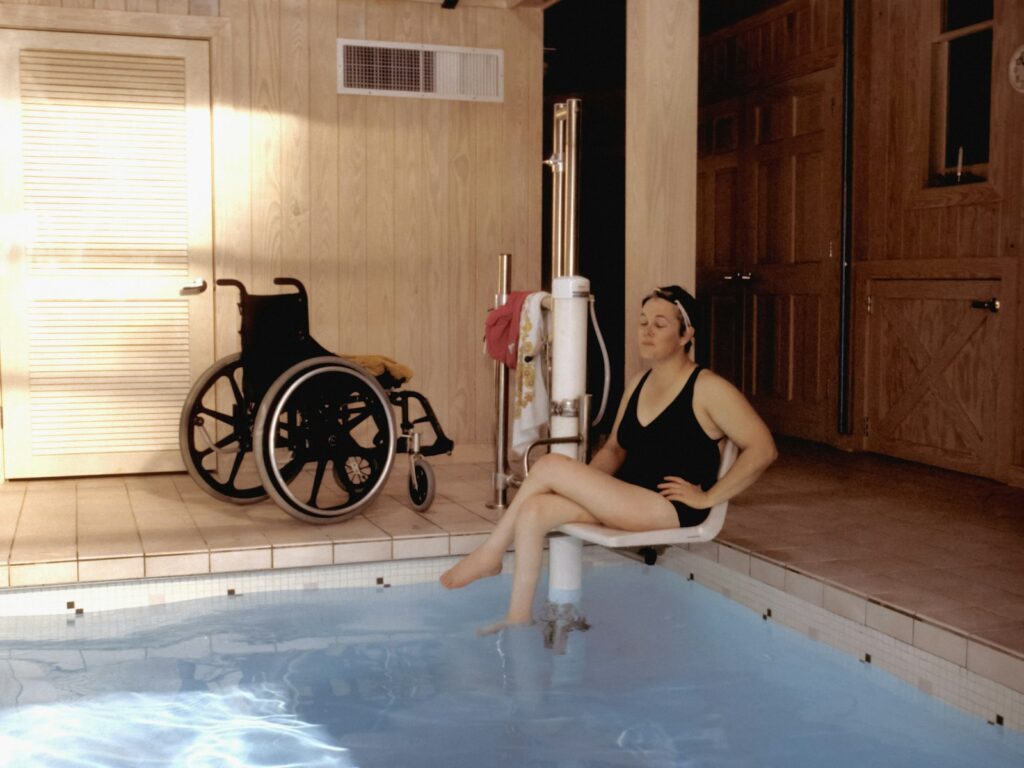
Warm-water exercise can make movement possible when it is hard or painful on land, so it is no surprise that many NDIS participants ask whether their plan will pay for it. The short answer: NDIS hydrotherapy can be funded when it is delivered by a qualified allied health professional, such as a physiotherapist, as part of your therapy supports, and when it meets the NDIS funding criteria. The NDIS will not pay for pool entry or memberships.
This guide explains how the NDIS treats hydrotherapy, which part of your plan pays for it, what is not covered, and how to build a strong case at your plan reassessment. It is general information only, not advice about your individual plan, and NDIS rules can change. Your planner, plan manager or support coordinator can confirm how your own plan works.
How the NDIS sees hydrotherapy
The NDIS funds therapy supports: evidence-based supports delivered by qualified allied health professionals to help you build or maintain your skills and independence. Physiotherapy is one of them. The NDIS describes physiotherapy as helping you build or maintain movement, function and independence, including for conditions such as cerebral palsy, stroke, Parkinson’s disease and spinal cord injury.
Hydrotherapy with a physiotherapist is physiotherapy delivered in warm water. The NDIS pricing schedule has no separate hydrotherapy item: sessions with a physio in the pool are part of your physiotherapy. That means the same rules apply as for any other therapy support:
- It must be delivered by a qualified professional. Physiotherapists must hold current registration with AHPRA. Exercise in a pool with someone who is not an allied health professional is not funded as therapy.
- It must be evidence-based. The NDIS needs to be satisfied the therapy is effective for improving or maintaining your skills and independence.
- It must relate to your disability. It should work towards the goals in your plan, such as walking further, moving more easily or staying independent at home.
Not sure whether water-based therapy suits you? Our guide to what hydrotherapy is and who benefits covers the common conditions and some reasons it may not be suitable.
Which part of your plan pays for it
The NDIS includes therapy supports in your plan as a stated support under the Improved Daily Living Skills category, which is part of your Capacity Building funding. Stated means the funding can only be used for therapy. You cannot move it across to pay for other supports.
Your plan may include therapy funding without naming a particular type of therapy. In that case you have flexibility to choose your provider and, where appropriate, the type of therapy that best suits your needs, including a mix of land-based and water-based physiotherapy. If your plan does name a specific therapy type or outcome, you need to use the funding in the way the plan describes.
Physiotherapy is charged against the NDIS price limits. From 1 July 2026, the national price limit for physiotherapy is $183.99 an hour, and the pricing schedule includes a separate item for a physiotherapist’s travel time. How your sessions are charged, including any travel, is set out in your service agreement with your provider.
What the NDIS will not pay for
This is where many participants are caught out. The NDIS says it will not fund the cost to access a gym or pool, or any memberships, because these are costs everyone pays whether or not they have a disability. So if your physio runs your session at a public aquatic centre, you will usually need to pay your own pool entry.
The NDIS may, however, fund supports that help you use the pool. For example, a support worker to help you get to the centre, change and get in and out of the water safely, if that meets the funding criteria.
The NDIS also does not fund things it does not consider evidence-based therapy, such as general fitness or wellness programs, personal training or alternative therapies, even if they happen in water.
Making the case: goals and “reasonable and necessary”
Every support in an NDIS plan must meet the NDIS funding criteria, often summed up as being reasonable and necessary. For therapy, that mostly comes down to evidence. When you ask for therapy supports, the NDIS asks for an assessment or report from your therapist, or a letter of recommendation, that explains:
- the type of therapy you need and why you need it
- the therapy approach and who might provide it
- the outcome the support aims to achieve
- how long and how often you will need it
- any previous treatment you have had and what the results were
For hydrotherapy specifically, it helps if your physio’s report explains why working in water is the right approach for you. For example, if land-based exercise is too painful or unsafe, if the water’s support lets you practise walking or balance you cannot yet manage on land, or if it allows you to exercise for longer. Linking the therapy clearly to the goals in your plan makes a real difference.
What to bring to your plan reassessment
Before a plan reassessment, the NDIS may ask your therapist for a progress report. A good report shows what you have been doing and what has changed. According to the NDIS, it should include things like:
- a summary of the supports you are getting
- how therapy has helped you pursue your goals
- how it has helped you increase or maintain your independence
- any measurable, functional gains since starting therapy
- how your therapy is coordinated with other therapists, if relevant
- any barriers or risks, and how they have been managed
- best-practice recommendations for ongoing therapy
Ask your physio early about the measures they are tracking, such as walking distance, time to stand from a chair or balance scores, so your progress can be shown clearly. Bring your own notes too: what you can do now that you could not do before, and what you still find hard. If you do not agree with a decision about your therapy funding, you can ask for an internal review within 3 months of getting your plan.
Hydrotherapy with Khy Physio
Khy Physio is a registered NDIS provider, and we have supported NDIS participants through hydrotherapy. Our hydrotherapy is physiotherapist-led and one-on-one, with your physio in the pool with you, guiding your exercises and adjusting the program as you progress.
We run sessions in warm-water community pools across Melbourne’s inner east, east, north-east and south-east, with common locations including Monash Aquatic Centre, Nunawading Swimming Pool, Aquarena, Aqualink Box Hill, Aqualink Nunawading, Boroondara Sports Complex, Clayton Aquatics and Oakleigh Recreation Centre. See our hydrotherapy service page for more.
If a pool is not practical, we also provide land-based physiotherapy in your own home, and many participants use a mix of both. Our NDIS physiotherapy page and our guide to what to expect from NDIS physiotherapy explain how we work with your plan.
Frequently asked questions
Does my plan need to say “hydrotherapy” for me to use it?
Not necessarily. If your plan includes therapy funding without naming a specific therapy type, you can generally choose the provider and type of therapy that suits you, including physiotherapy in the pool. If your plan names a specific therapy or outcome, use the funding as described. Check with your plan manager or support coordinator if you are unsure.
Who pays for pool entry?
Usually you do. The NDIS does not fund the cost of accessing a pool or gym, or memberships.
Can a support worker come to hydrotherapy with me?
Yes, if you need one. The NDIS may fund a support worker to help you access and use the pool facilities, where that meets the funding criteria. Your support worker’s time is funded separately from your therapy.
Can I do hydrotherapy on my own between sessions?
Many people do, once their physio has taught them a safe program. Your physio can give you exercises to practise in the pool yourself, which can help your therapy funding go further. Only do independent water exercise if your physio agrees it is safe for you.
What should I bring to a session?
Your swimwear, a towel and pool-appropriate footwear. Your physiotherapist brings any equipment needed for your exercises.
Ready to talk about hydrotherapy?
If you think warm-water physiotherapy could help you reach your NDIS goals, we are happy to talk it through, including what to ask for at your next plan reassessment. Make a referral or get in touch with our team on 03 8824 0712.

Written by
Calvin Yung, Mobile Physiotherapist
Calvin is a mobile physiotherapist at Khy Physio with a special interest in geriatric care, including mobility, balance, falls prevention and recovery after joint replacement. He speaks English, Cantonese and Mandarin. Meet Calvin