Article & News
NDIS assistive technology assessments: low, mid and high-cost AT and how a physio can help
09/11/2026 · Khy Physio
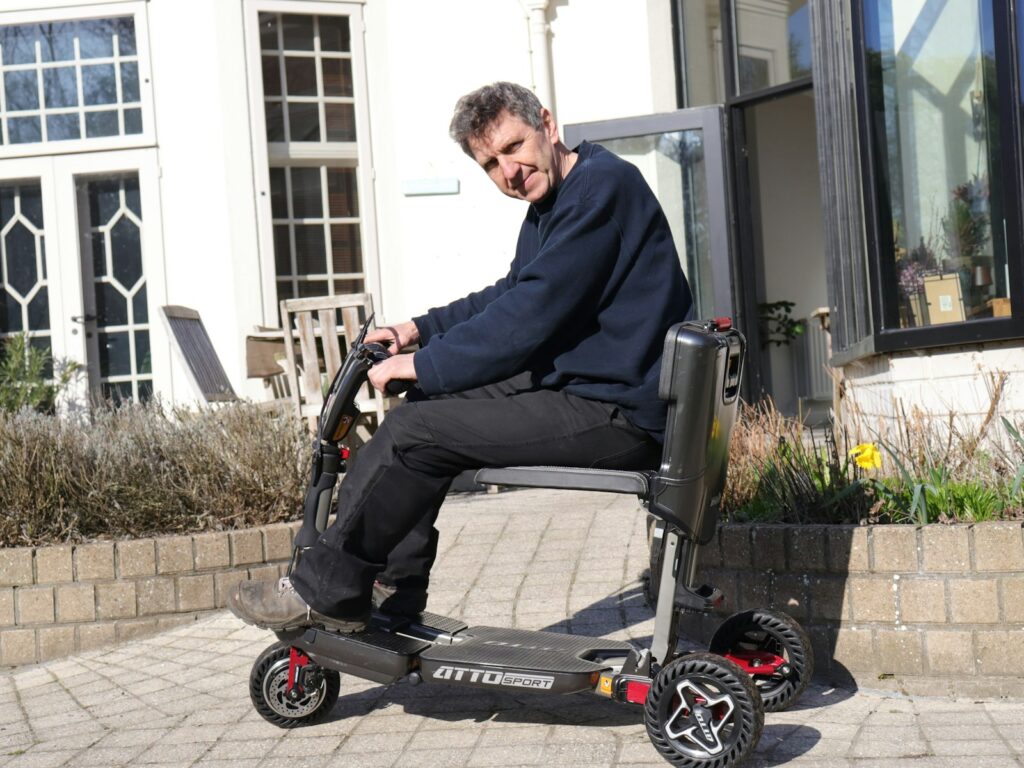
A new walker, a shower chair, an ankle brace, a hoist or a powered wheelchair can change what you are able to do each day. The NDIS calls these items assistive technology, or AT, and it groups them by cost. What evidence you need depends on which group an item falls into, and for many mobility items, a physiotherapist is the person who provides it. This guide explains the NDIS assistive technology assessment process and where a physio fits in.
All figures and rules here come from the NDIS website as at September 2026. It is general information only, not advice about your individual plan. NDIS rules can change, so check with your my NDIS contact, plan manager or support coordinator before you buy.
The short answer
- The NDIS groups AT as low-cost (under $1,500 per item), mid-cost ($1,500 to $15,000) and high-cost (over $15,000).
- For low-cost, low-risk items, you do not need quotes, evidence, assessments or approval before buying.
- Mid-cost AT needs written advice from an assistive technology advisor, such as an allied health practitioner.
- High-cost AT needs an assessment report from a qualified assistive technology assessor, plus a quote.
- Physiotherapists can be AT advisors and assessors, particularly for mobility equipment.
What the NDIS funds as assistive technology
The NDIS describes AT as equipment or devices that help you do things you cannot do because of your disability. According to its guide to assistive technology, it only funds AT that is directly related to your disability, helps you work towards your goals, is something the NDIS rules allow, and is supported by evidence. It will not fund items that are not related to your disability, are more appropriately funded by another government service, or are everyday items everyone needs, such as ordinary household furniture.
The NDIS gives these examples:
- Low-cost: walking sticks, four-wheeled walkers, short portable ramps, shower chairs, hand showers, handrails and adjustable-height chairs.
- Mid-cost: mobile hoists, mobile shower chairs, ankle-foot orthotics and adjustable beds.
- High-cost: prosthetics, powered wheelchairs and seating, and some vehicle modifications.
A health professional’s recommendation does not guarantee funding. The NDIS still needs evidence, and it generally funds the most cost-effective item that achieves the outcome you need.
Low-cost AT: under $1,500
Low-cost AT is paid from your consumables budget, so you need to tell the NDIS what types of low-cost AT you might need so it can be included in your plan. When an item costs less than $1,500 and is low-risk, the NDIS says you do not need to provide quotes, evidence or assessments, and you do not need approval before buying.
Even so, the NDIS suggests getting advice before buying AT for the first time. A walker that is the wrong height or type can make walking harder or less safe. A physio can check which option suits you, set it up correctly and teach you to use it.
Mid-cost AT: $1,500 to $15,000
Mid-cost items need to be recommended by an assistive technology advisor. The NDIS says an advisor can be an allied health practitioner, continence nurse, rehabilitation engineer, AT mentor or other qualified practitioner.
The evidence can be a letter, email or report from your advisor. It does not need to be a formal assessment, but it must be in writing. It should cover:
- the type of AT you need
- why it is the best value option for your disability support needs
- how it will help you work towards the goals in your plan
- an estimate of the cost.
You may also need help setting up the item and learning to use it safely.
High-cost AT: over $15,000
High-cost items need an assessment from an assistive technology assessor, a specialist advisor with the qualifications and experience to assess that type of AT. The NDIS says assessors must hold a relevant university or equivalent degree and work within the standards of a professional registration body such as AHPRA. Examples include occupational therapists, physiotherapists, speech pathologists and rehabilitation engineers.
The NDIS general AT assessment should explain how the item will help you work towards your goals, what AT you have used before, and how it will work with your other supports. You also need a quote that includes delivery, installation and training costs. Usually one quote is enough, though the NDIS may occasionally ask for a second. The NDIS may ask you to trial or rent an item first, and can fund the trial from your capital budget.
Where a physiotherapist fits in
For AT related to mobility, the NDIS notes your advisor might be an occupational therapist or a physiotherapist. A physio might help with:
- walking aids, from sticks to four-wheeled walkers
- transfer equipment, such as slideboards, stand aids and hoists
- ankle-foot orthoses, often working with an orthotist
- standing and positioning equipment
- wheelchair and seating needs, often alongside an occupational therapist.
Seeing you at home is a real advantage here. Your physio can watch how you move around your own house, measure doorways and turning spaces, organise trials in the place you will actually use the equipment, and train you and your carers once it arrives.
Your physio’s time for advice, trials and reports is paid from your plan. The NDIS says your planner can include funding in your capacity building improved daily living budget to get advice from an AT advisor or to prepare an assessment. If you have AT funded in your plan, the NDIS says your funding will include at least $500 for advice from an AT advisor. For 2026-27, the NDIS price limit for physiotherapy is $183.99 an hour, and your service agreement sets out how your provider charges. Our NDIS physiotherapy guide explains more about working with your plan.
Tips for a smoother AT request
- Link it to your goals. Explain what the item will let you do, such as showering safely or walking to the letterbox.
- Trial before you commit. Some suppliers offer “trial to buy” arrangements. Ask whether the trial cost comes off the price.
- Know where to buy. If your plan is NDIA-managed, you must buy from a registered NDIS provider. Plan-managed and self-managed participants can buy from any supplier.
- Consider renting. You can access AT through rental, loan or subscription, not just purchase.
- Keep records. Keep receipts and your advisor’s written advice, especially if you are self-managed.
Frequently asked questions
Can my physio be my assistive technology advisor?
Yes, for many mobility items. Physiotherapists are allied health practitioners, and the NDIS lists physiotherapists among the professionals who can be AT assessors for high-cost items, where they have the right experience for that type of equipment.
Do I need a quote for a walker that costs $400?
If it is a low-cost, low-risk item under $1,500, the NDIS says you do not need a quote, evidence, assessment or approval before buying, as long as your plan includes low-cost AT funding.
What if my AT breaks?
Repairs and rentals are generally paid from the assistive technology maintenance, repair and rental budget in your plan. Contact your supplier and your my NDIS contact if you are unsure.
Does my physio’s recommendation guarantee funding?
No. The NDIS says a recommendation from a health professional does not guarantee it will fund an item. It still needs evidence that the item meets its rules, which is why clear, goal-focused written advice matters. See our NDIS physiotherapy page for how we support participants.
Get the right equipment, set up properly
If you need advice, a trial or written evidence for NDIS assistive technology, our physiotherapists can assess you in your home across Melbourne and the Geelong region. Make a referral or contact our team on 03 8824 0712 to get started.

Written by
Calvin Yung, Mobile Physiotherapist
Calvin is a mobile physiotherapist at Khy Physio with a special interest in geriatric care, including mobility, balance, falls prevention and recovery after joint replacement. He speaks English, Cantonese and Mandarin. Meet Calvin