
Article & News
Amputation rehabilitation at home: preparing for a prosthesis and staying safe
27/11/2026 · Khy Physio
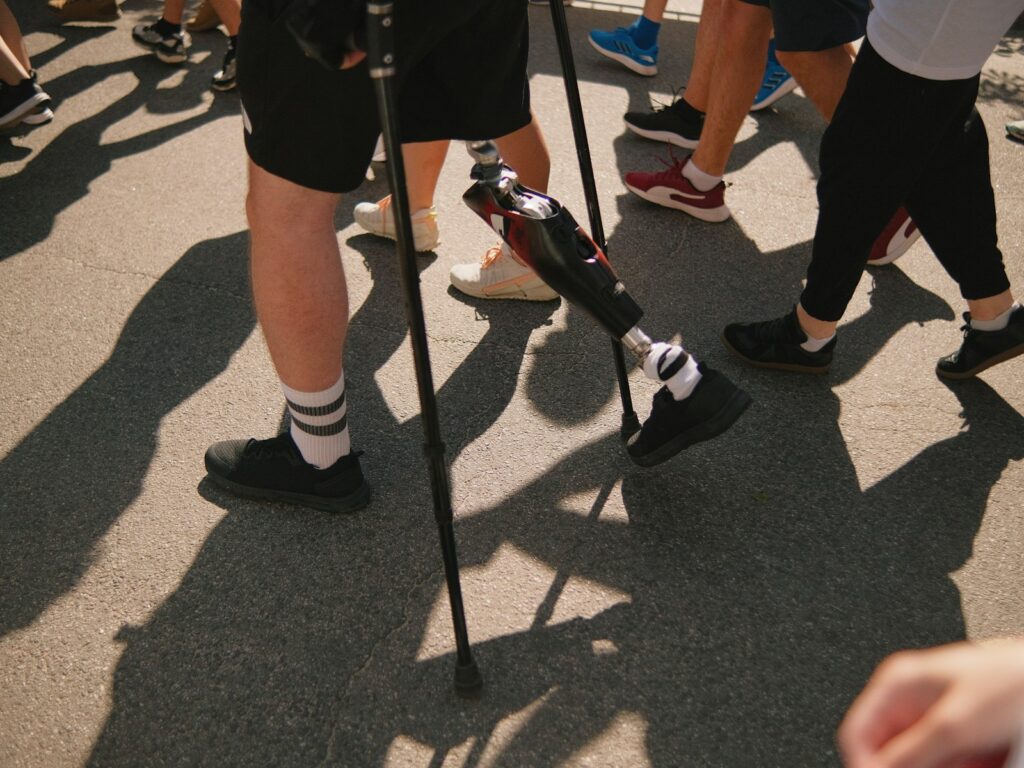
Coming home after a leg amputation is a major change, for the person who has had surgery and for the people around them. Rehabilitation continues well after hospital, and much of the important work happens at home. Amputation rehabilitation at home usually focuses on caring for the residual limb, preventing joint stiffness, building strength and balance, getting around safely, and preparing for a prosthesis if one is planned. Falls are a real risk in the early months, so safety is part of every step.
This guide covers the main areas of home rehab after a lower limb amputation and where to find support and funding in Victoria. It is general information only, not medical advice. Your surgeon, rehabilitation team and prosthetist will give advice specific to you, so always follow their instructions.
The short answer
- Check your residual limb every day and follow your team’s advice on skin care and compression.
- Avoid positions that let the hip or knee stiffen in a bent position, as this can make fitting a prosthesis harder.
- Strengthen your hips, trunk, arms and other leg, because they all work harder after an amputation.
- Falls are common after lower limb amputation, so set up your home and practise transfers carefully.
- In Victoria, prostheses may be funded through the NDIS, DVA, TAC, WorkSafe or the Victorian Artificial Limb Program, depending on your situation.
Caring for your residual limb
Limbs 4 Life, the national peak body representing Australian amputees, stresses that caring for your residual limb is extremely important. Its guidance includes:
- Check it daily. Look for redness, blisters, broken skin or swelling, using a mirror if needed, and check again whenever you notice pain or a change in fit.
- Look after the skin. Keep it clean and dry, and moisturise daily, unless your team advises otherwise, to keep skin supple. Dry skin cracks more easily and copes less well with the pressure of a prosthesis.
- Manage swelling. A compression garment called a shrinker is often used after surgery to help control swelling and shape the limb. Follow your team’s instructions on when and how to wear it.
Sensations in the part of the limb that has been removed, often called phantom sensations, are common. Tell your team about any pain so it can be managed.
Preventing stiffness and contractures
After an amputation, the joints above it can gradually stiffen in a bent position, which is called a contracture. Limbs 4 Life notes that for people with a below-knee amputation, keeping the knee bent for long periods can lead to muscle shortening, which can make it difficult to fit a prosthesis.
Your team may suggest:
- keeping the knee straight when sitting, for example with a board or support under the residual limb in the wheelchair
- not resting the residual limb on a pillow under the knee or thigh in bed
- spending some time each day lying flat, or on your stomach if it is safe and comfortable, to keep the hip straight
- regular stretches and movement for the hip and knee
Building strength and balance
After a leg amputation, your remaining leg, hips, trunk and arms all take on extra work. Your physio will usually build a program around:
- Hip strength on both sides, for standing, transfers and walking.
- Trunk strength for sitting balance and controlled movement.
- Arm and shoulder strength for pushing up from a chair, using a frame or crutches, and propelling a wheelchair.
- The other leg, which needs to be strong and well cared for. If you have diabetes or circulation problems, daily foot checks on that leg are especially important.
- Balance practice, first in sitting and then in standing with support.
Every exercise should be taught and progressed by your physio. Hold a stable surface when standing, and stop if you feel sharp pain, dizziness or unusual pain in the residual limb.
Staying safe at home and reducing falls
Falls are common. In a study of 435 community-living people with a lower limb amputation, just over half had fallen in the previous year, and about half reported a fear of falling. Falls were more likely in people with an above-knee amputation, back or joint pain, and problems with the residual limb or prosthesis.
Practical steps include:
- clearing walkways, removing loose rugs and making sure there is room for a wheelchair or frame
- using night lights between the bedroom and bathroom
- practising transfers between bed, chair, wheelchair, toilet and shower with your physio until they feel routine
- applying wheelchair brakes before every transfer
- asking an occupational therapist about grab rails, a shower chair and other equipment
It is also worth learning how to get up safely if you do fall. Our guides to falls prevention at home and how to get up after a fall have practical tips, and your physio can adapt them for you.
Preparing for a prosthesis, and funding
Not everyone uses a prosthesis, and the decision is made with your rehabilitation team and prosthetist. If one is planned, the work you do on residual limb care, swelling, joint range and strength all prepares you for it.
According to Limbs 4 Life, the Victorian Artificial Limb Program provides prostheses for people who are not eligible for other funding, such as the NDIS, DVA, or insurance after a transport or workplace accident. Physiotherapy at home may be funded through the NDIS, DVA, TAC, WorkCover, Support at Home, a Medicare GP chronic condition management plan, private health insurance or privately. If physiotherapy is in your NDIS plan, we can bill your plan manager or the NDIS directly. See our NDIS physiotherapy page for more.
When to see your doctor
Contact your surgeon, GP or rehabilitation team promptly if you notice:
- redness, heat, swelling, discharge or an unpleasant smell from the wound, or a fever
- a blister, sore or area of broken skin on the residual limb that is not healing
- a sudden change in how the socket fits, or new pain when wearing the prosthesis
- pain, colour change, coldness or a wound on the other foot or leg
- a fall where you have hit the residual limb or cannot get up
Call 000 for chest pain, sudden shortness of breath, or signs of stroke.
Frequently asked questions
When can I start walking with a prosthesis?
It depends on wound healing, swelling, your strength and your overall health. Your rehabilitation team and prosthetist will decide when you are ready to be fitted and begin training.
Is phantom limb pain normal?
Phantom sensations are common after amputation. If they are painful, tell your doctor or rehabilitation team, as there are ways to manage them.
Can physio help if I will not use a prosthesis?
Yes. Physio can help you get stronger, transfer safely, use a wheelchair or walking aid well, and stay as independent as possible.
Rehabilitation support at home
If you or a family member is recovering from a lower limb amputation, our physiotherapists can visit you at home across Melbourne and the Geelong region to work on strength, safety and your goals. Make a referral or contact our team on 03 8824 0712 to talk it through.

Written by
Calvin Yung, Mobile Physiotherapist
Calvin is a mobile physiotherapist at Khy Physio with a special interest in geriatric care, including mobility, balance, falls prevention and recovery after joint replacement. He speaks English, Cantonese and Mandarin. Meet Calvin