
Article & News
Exercise for diabetes over 65: staying safe with hypos, feet and strength
19/11/2026 · Khy Physio
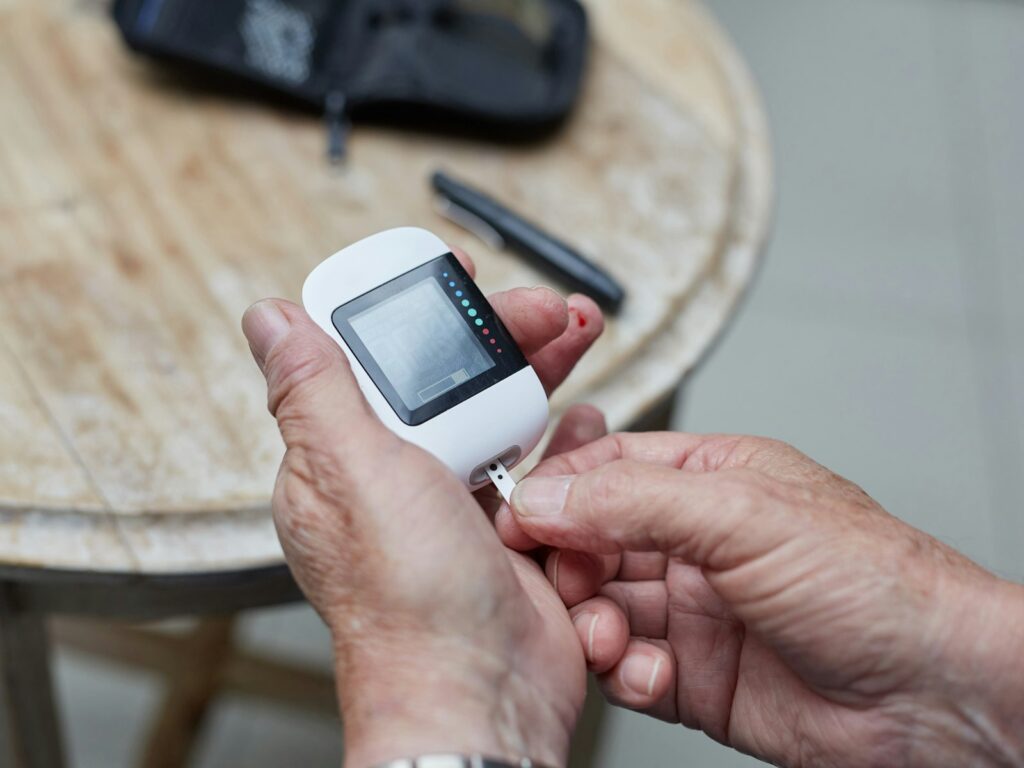
Exercise is one of the most useful things you can do for diabetes at any age, and being over 65 does not change that. Diabetes Australia recommends at least 30 minutes of moderate-intensity activity on most, preferably all, days, plus muscle-strengthening activities on at least 2 days a week. For older adults, the main extra considerations are avoiding low blood glucose (hypos), protecting your feet, and choosing exercise that also improves balance.
This guide to exercise for diabetes over 65 explains how to stay safe, what to do if you have a hypo, and how a physiotherapist can help you get started. It is general information only, not medical advice. Talk to your GP or diabetes team before starting a new exercise program, particularly if you take insulin or your blood glucose levels are often out of range.
The short answer
- Aim for at least 30 minutes of moderate activity on most, preferably all, days. It can be split into shorter bouts, such as three 10-minute sessions.
- Include strength exercises on at least 2 days a week.
- If you take insulin or a sulphonylurea tablet, you are at higher risk of a hypo during or after exercise, so check your glucose and carry hypo treatment.
- Wear enclosed shoes and check your feet before and after exercise.
- See your GP for exercise clearance if your glucose levels are often out of your target range.
Why exercise matters for older adults with diabetes
Regular physical activity is a core part of managing diabetes, alongside healthy eating and any medication you take. For older adults, it has a second big payoff: it builds the leg strength and balance you need to get up from a chair, manage stairs and stay steady on your feet. That matters for independence as much as for glucose control.
Diabetes Australia’s exercise guidance recommends at least 30 minutes of moderate-intensity physical activity on most, preferably all, days, and muscle-strengthening activities on at least 2 days per week. Moderate intensity means you are breathing a little harder but can still talk. If 30 minutes in one go is too much, Diabetes Australia suggests breaking it into three 10-minute sessions across the day.
Preventing hypos when you exercise
Exercise lowers blood glucose. If you take insulin, or a tablet from the sulphonylurea group such as gliclazide, the combination of medication and exercise can push your glucose too low. Diabetes Australia’s advice includes:
- Check before you start. If your blood glucose is below 4 mmol/L, treat the hypo first and do not start exercising.
- Hold off if it is high. If it is above 15 mmol/L, postpone strenuous exercise.
- Check during new activities. If the type, intensity or length of exercise is new to you, check every 20 to 30 minutes.
- Watch for delayed hypos. Glucose can keep dropping for up to 24 hours after exercise, including overnight.
- Talk to your doctor about doses. You may need to adjust your insulin around exercise. Do not change medication without advice.
- Keep a routine. Exercising at regular times on set days makes hypos less likely.
What to do if you have a hypo
A hypo usually means a blood glucose below 4.0 mmol/L. Signs include trembling, sweating, dizziness, light-headedness, hunger, irritability and poor concentration. Diabetes Australia’s hypo steps are:
- Stop exercising and have fast-acting glucose, such as 6 to 7 jellybeans, 3 teaspoons of honey, or 150 to 200 mL of fruit juice.
- Wait 15 minutes and recheck your glucose. If it is still below 4 mmol/L, repeat the fast-acting glucose.
- Once it is above 4 mmol/L, have a snack or meal with longer-acting carbohydrate, such as a slice of bread, a glass of milk or a piece of fruit.
Always carry your hypo treatment, wear your diabetes identification and take your phone when you exercise.
Looking after your feet
Diabetes can reduce feeling in the feet and slow healing, so a small blister can become a serious problem. Before you exercise:
- wear well-fitting, enclosed shoes, never thongs or bare feet
- check your feet before and after exercise for redness, blisters, cuts or swelling
- ask your podiatrist or GP to help you choose suitable footwear
- if you have reduced feeling in your feet, choose activities that are gentler on them, and let your physio know so they can adapt your program
Reduced feeling in the feet also affects balance, which is one more reason to include balance practice in your routine.
Safe exercises to start with
A good program for older adults with diabetes mixes walking or other aerobic activity with strength and balance work. Hold a stable surface such as a kitchen bench for standing exercises, and stop if you feel dizzy, unwell or have sharp pain.
- Walking. Start with a distance that feels comfortable and build up gradually. Walking after a meal is a practical habit for many people.
- Sit to stand. Sit near the front of a firm chair with your feet flat. Lean forward slightly and stand up, using your hands on the armrests if you need to. Sit back down slowly.
- Heel raises. Hold the kitchen bench, rise up onto your toes, then lower slowly.
- Wall push-ups. Stand an arm’s length from a wall, place your hands on it at shoulder height, bend your elbows to bring your chest towards the wall, then push back.
- Balance practice. Stand at the bench with your feet close together, holding on lightly, and try to stay steady for a few seconds at a time.
If standing exercise is difficult, our guide to chair exercises for limited mobility is a gentler place to start. You will find more ideas in the best physiotherapy exercises for seniors.
How a physio can help, and funding
A physiotherapist can assess your strength, balance and walking, check your feet and footwear with you, and write a program that fits your health, your medication routine and your home. Having your physio visit you at home means the exercises are set up around the chairs, benches and stairs you actually use.
If you have a chronic condition such as diabetes and your GP prepares a GP chronic condition management plan, you may be able to claim a Medicare rebate for up to 5 allied health services per calendar year. From 1 July 2026, the rebate for a physiotherapy service is $63.40. Read more in does Medicare cover physio?
When to seek urgent help
- Call 000 if someone with diabetes is unconscious, drowsy or unable to swallow. Do not give them food or drink. Place them on their side with a clear airway and tell the operator they have diabetes.
- Call 000 for chest pain, pressure or tightness, or severe shortness of breath during or after exercise.
- See your GP or podiatrist promptly if you notice a foot wound, blister or area of redness or swelling that is not healing.
- See your GP if you are having frequent hypos, or your glucose levels are often high.
Frequently asked questions
Is walking enough exercise for diabetes?
Walking is an excellent base. Adding strength exercises on at least 2 days a week gives extra benefits, and balance practice helps protect you from falls.
What time of day is best to exercise with diabetes?
There is no single best time. Diabetes Australia suggests exercising at regular times on set days, which makes your glucose response more predictable and hypos less likely. Your diabetes team can help you plan around your medication.
Should I exercise if my feet are numb?
Usually yes, but the type of exercise matters. Protect your feet with good shoes, check them daily, and ask your physio or podiatrist to help you choose suitable activities.
Can a physio come to my home?
Yes. Khy Physio is a mobile practice. A travel fee applies to home visits and depends on your location. Contact our team for the cost to your area.
Start exercising safely with diabetes
If you would like a program that suits your diabetes, your medication and your home, our physiotherapists visit clients across Melbourne and the Geelong region. Make a referral or contact our team on 03 8824 0712 to get started.

Written by
Calvin Yung, Mobile Physiotherapist
Calvin is a mobile physiotherapist at Khy Physio with a special interest in geriatric care, including mobility, balance, falls prevention and recovery after joint replacement. He speaks English, Cantonese and Mandarin. Meet Calvin