
Article & News
Physiotherapy for adults with cerebral palsy: staying strong as you age
06/11/2026 · Khy Physio
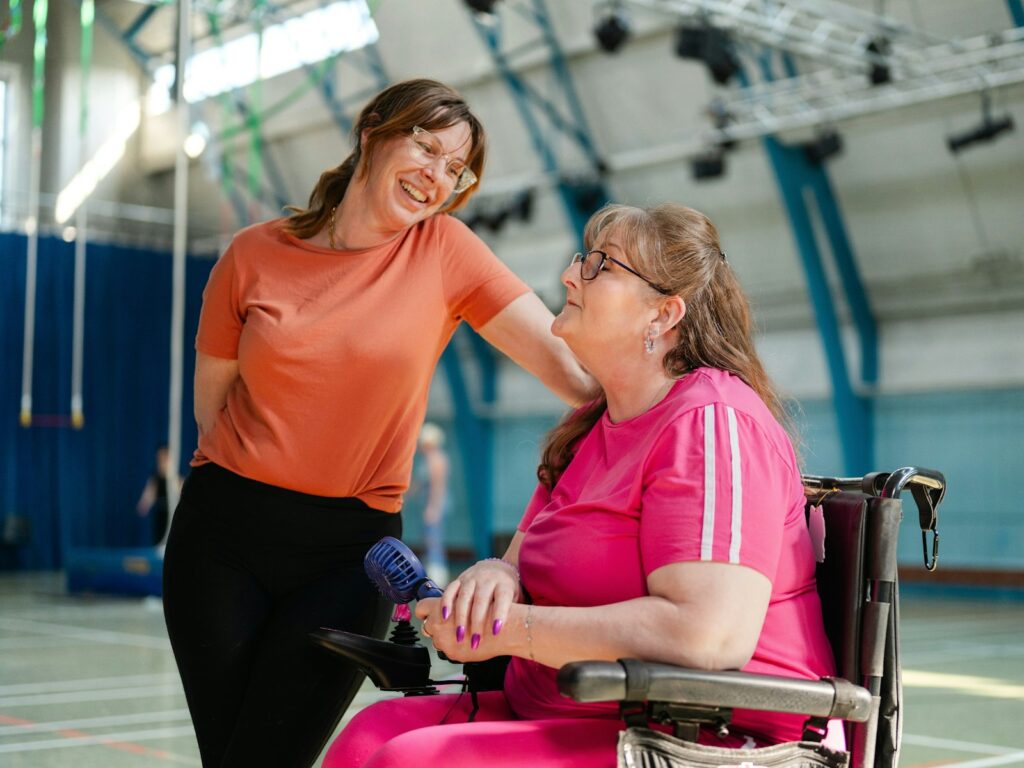
Cerebral palsy is often thought of as a childhood condition, but it is lifelong. The original brain injury does not get worse, yet the body keeps changing, and many adults notice more stiffness, pain, fatigue or difficulty walking as the years go on. At the same time, the regular therapy many people had as children often stops after school. Physiotherapy for adults with cerebral palsy is about staying strong, active and independent through each stage of life.
This guide covers how cerebral palsy can change in adulthood, what physiotherapy can help with, and how the NDIS treats cerebral palsy. It is general information only, not medical advice. Your GP, specialist and physiotherapist can advise on your own situation.
The short answer
- Adults with cerebral palsy may notice gradual changes in muscles, joints and walking, and these changes are worth checking early.
- Research suggests that 25% or more of adults with cerebral palsy who walk experience a decline in walking, with pain, fatigue and older age among the risk factors.
- UK national guidelines recommend supporting adults with cerebral palsy to stay physically active and considering referral to physiotherapy.
- Physiotherapy can help with strength, fitness, stiffness, pain, falls, equipment and carer training.
- Cerebral palsy assessed as severe is on the NDIS list of conditions likely to meet the disability requirements.
How cerebral palsy can change in adulthood
The UK’s National Institute for Health and Care Excellence (NICE) guideline on cerebral palsy in adults advises health professionals to explain that musculoskeletal function may deteriorate gradually, and that any changes should be investigated so treatable causes are found early. Some of the changes it highlights:
- Walking and mobility. A systematic review found that 25% or more of ambulant adults with cerebral palsy experience a decline in walking. Those at higher risk were older, less independent in walking to begin with, affected on both sides of the body, or living with more pain or fatigue (Morgan and McGinley, 2014).
- Bone and joint problems. Because the skeleton developed differently, adults with cerebral palsy are more likely to have bone and joint disorders, such as osteoarthritis and problems in the neck.
- Bone density. Low bone density is common, particularly with reduced mobility or weight bearing.
- Pain. Pain is common, and some adults have difficulty communicating it, so carers and families play an important role in noticing changes.
None of this means decline is inevitable. It means changes deserve attention rather than being put down to “just the CP”.
What physiotherapy can help with
NICE recommends discussing the importance of physical activity for fitness and for physical and mental health, and considering referral to services with experience in neurological conditions, including physiotherapy, to support physical activity and daily tasks. In practice, a physio might work on:
- Strength and fitness, with a program that suits your abilities and the equipment you have.
- Walking, transfers and balance, including strategies to reduce falls.
- Stiffness and spasticity, through stretching, positioning and activity. NICE notes that some people use their spasticity to help them stand, walk or transfer, so any treatment needs to balance comfort with function.
- Things that make spasticity worse. NICE lists factors such as pain, constipation, bladder problems, posture, seating and emotional distress. A physio can help spot patterns and flag them with your GP.
- Equipment, such as walking aids, orthoses and wheelchair or seating advice, often alongside an occupational therapist.
- Chest care, for people at high risk of chest infections, including positioning, exercise advice and training for carers.
- Carer training for safe transfers and stretching routines.
Managing fatigue and pain
Moving with cerebral palsy can take a lot of effort, and fatigue can build over the day or week. Because pain and fatigue are linked with walking decline, managing them is part of staying mobile, not an optional extra. Useful approaches include:
- pacing activities, with planned rest before you are exhausted
- spreading exercise across the week rather than in one big session
- reviewing equipment, such as a walking aid for longer distances, to save energy for the things you value
- telling your GP about any new or worsening pain, so bone and joint causes can be checked.
Some people find exercising in warm water easier on stiff muscles and sore joints. Our guide to hydrotherapy and who benefits explains how pool-based physio works.
Cerebral palsy and the NDIS
To become an NDIS participant, you must apply before you turn 65 and meet the residence and disability or early intervention requirements. The NDIS guideline on applying lists conditions that are likely to meet the disability requirements (List A). This includes cerebral palsy diagnosed and assessed as severe, for example Level 3, 4 or 5 on the Gross Motor Function Classification System.
Cerebral palsy that does not meet that severity level appears on List B, which covers conditions likely to result in a permanent impairment. In that case, the NDIS looks at evidence of how your impairment affects your day-to-day functioning.
For participants, physiotherapy is generally funded as a therapy support, and the NDIS price limit for physiotherapy in 2026-27 is $183.99 an hour. Your physio can also help with evidence for equipment and progress reports for plan reassessments. Our NDIS physiotherapy page and our guide to what to expect from NDIS physiotherapy explain how this works with us.
When to see your doctor
See your GP or specialist promptly if you notice:
- a noticeable loss of walking, standing or transfer ability over weeks or months
- new numbness, tingling or weakness in the arms or legs, or new problems with bladder or bowel control
- a sudden increase in spasticity, which can be triggered by problems such as an infection, constipation or pain
- pain after a fall or a minor knock, since low bone density raises fracture risk
- frequent chest infections, or coughing and choking when eating or drinking.
Seek urgent medical help, or call 000, for sudden severe weakness, difficulty breathing or a significant injury.
Frequently asked questions
Is it too late to start strength training as an adult?
No. Adults with cerebral palsy can build strength and fitness, and NICE encourages physical activity throughout adulthood. The key is a program matched to your abilities, started gradually and adjusted as you go.
My walking is getting harder in my 40s. Is that just ageing?
It may be partly ageing, but it is worth checking. Gait decline in adults with cerebral palsy is linked to factors such as pain and fatigue, and bone and joint problems can be treated. Talk to your GP and physio rather than waiting.
Can physiotherapy make spasticity go away?
Physiotherapy does not cure spasticity, but stretching, positioning, strengthening and managing triggers can help comfort and function. Medical treatments such as medication or botulinum toxin injections are sometimes used alongside physio, guided by a specialist.
Can a physio visit me at home?
Yes. Our neurological physiotherapy service comes to your home, so we can work on the transfers, stairs and routines you actually use.
Physiotherapy for adults with cerebral palsy
If you are an adult with cerebral palsy, or support someone who is, our physiotherapists can help you stay strong and active at home across Melbourne and the Geelong region, working with your NDIS plan or other funding. Make a referral or contact our team on 03 8824 0712 to talk about your goals.

Written by
Calvin Yung, Mobile Physiotherapist
Calvin is a mobile physiotherapist at Khy Physio with a special interest in geriatric care, including mobility, balance, falls prevention and recovery after joint replacement. He speaks English, Cantonese and Mandarin. Meet Calvin