
Article & News
Cardiac rehabilitation at home: exercise after a heart attack or heart surgery
14/11/2026 · Khy Physio
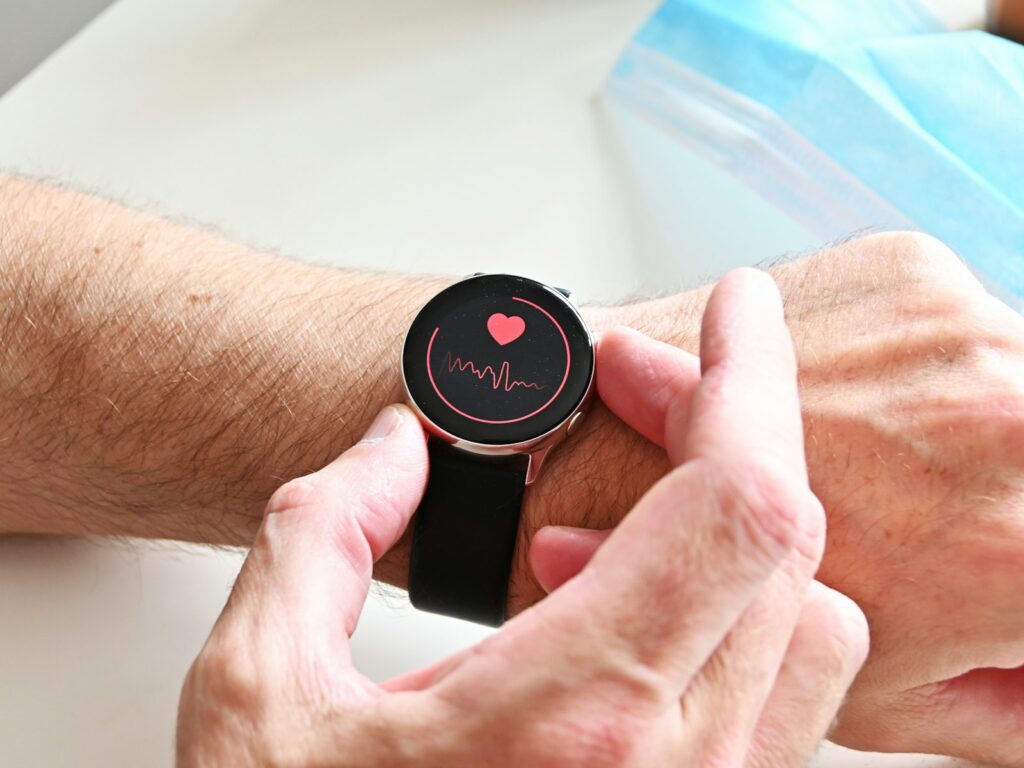
After a heart attack, a stent or heart surgery, it is common to feel unsure about how much you should move. Some people are frightened to do anything, while others try to do too much too soon. Cardiac rehabilitation bridges that gap, and it does not have to happen in a hospital gym. Cardiac rehabilitation at home is a recognised option, and research shows it can work as well as centre-based programs.
This guide explains what cardiac rehab is, how home-based programs compare, how the Heart Foundation suggests you build activity back up, and the warning signs to know. It is general information only, not medical advice. Always follow the advice of your cardiologist, GP and cardiac rehab team about what is safe for you.
The short answer
- Cardiac rehab is a program of support, exercise and education led by health professionals, personalised to strengthen your heart.
- It usually starts in hospital and continues at home or in the community, and often runs for 6 to 10 weeks.
- A Cochrane review found home-based and centre-based cardiac rehab to be similarly effective for people after a heart attack, heart procedure or with heart failure.
- The Heart Foundation suggests starting with 5 to 10 minutes of walking a day after a heart attack and building up slowly to 30 minutes over several weeks.
- Stop and rest if activity causes pain, or if you feel very tired, dizzy or short of breath.
What cardiac rehab is, and who it is for
The Heart Foundation describes cardiac rehab as a program of support, exercise and education that is led by health professionals and personalised to strengthen your heart. It covers topics such as your heart condition, medicines, healthy eating, mental health and returning to everyday life.
Cardiac rehab is recommended for a wide range of people, including those with coronary heart disease, a heart attack or admission for angina, a stent procedure or heart surgery (bypass, valve or artery surgery), heart failure, a heart transplant, a cardiac arrest, atrial fibrillation and some other heart conditions.
Programs can be delivered face-to-face, over the phone, online or in your home. You can find one by asking the hospital staff or your doctor, and the Heart Foundation also has an online directory of cardiac rehab programs.
Home or centre-based: does it matter?
A 2023 Cochrane review compared home-based cardiac rehab, which may include telehealth, with supervised centre-based programs in 24 trials involving 3,046 people after a heart attack, a procedure to open the heart arteries, or with heart failure (McDonagh et al, 2023). It found no evidence of a difference in death rates, exercise capacity or most quality of life measures for up to 12 months, and similar rates of completing the program. The authors concluded that the choice can reasonably be based on the person’s preference.
That matters for older adults who no longer drive, live far from a program, care for a partner, or simply feel more comfortable exercising at home. The key is that the program is supported by health professionals, not that it happens in a particular building.
Building activity back up at home
The Heart Foundation’s advice on physical activity after a heart attack includes:
- Walking. Start with 5 to 10 minutes a day and build up slowly to 30 minutes over several weeks. Begin with easy walking around your house or on your street, on flat ground.
- Effort. You should be able to talk without feeling short of breath.
- Stairs. If there are stairs where you live, you can climb them slowly when you get home from hospital.
- Strength exercise. Never hold your breath when lifting weights, even light ones. Start with 10 repetitions of a light weight you can lift easily, and increase gradually over time to 20.
- Housework. Avoid heavier jobs, such as sweeping, vacuuming or mowing the lawn, until your doctor says it is OK.
A simple way to put this into practice is to pick a flat, familiar loop near home, walk it at an easy pace on most days, and add a few minutes each week as long as you feel well. Keep a note of how long you walked and how you felt, and bring it to your rehab or doctor’s appointments.
How a physiotherapist can help
A physio at home does not replace your cardiac rehab program, but can support it, particularly for older adults who have other health issues or have lost strength and confidence in hospital. A physio can:
- set up and progress a walking and strength program that fits the advice from your cardiac team
- help you judge effort and recognise when to ease off
- work on leg strength, balance and stairs, which matter for staying independent
- help with other conditions, such as arthritis, that make exercise harder
- build your confidence to return to everyday activities.
Our home-based physiotherapy service comes to you. For funding options, see our guide to physiotherapy funding in Australia. A travel fee applies to home visits and depends on your location. Contact our team for the cost to your area.
Warning signs: when to stop and when to call 000
Stop and rest if an activity causes you pain, or if you get very tired, dizzy or short of breath.
The Heart Foundation lists common heart attack warning signs as chest pain, arm or shoulder pain, and shortness of breath. Some people instead feel sick, sweaty or dizzy, or have pain in the back, neck or jaw. If you have warning signs, tell someone how you feel. If you feel worse or not better after 10 minutes, call Triple Zero (000). If symptoms are severe, call 000 straight away and ask for an ambulance.
After heart surgery, contact your surgeon or GP if your wound becomes red, swollen, hot or starts to discharge, or if you develop a fever.
Frequently asked questions
When can I start exercising?
Cardiac rehab usually starts in hospital, and gentle walking often begins soon after you get home. Your cardiac team will tell you what is right for you, based on your condition and any procedure you had.
Can a physio replace my cardiac rehab program?
No. Cardiac rehab includes education about medicines, risk factors, healthy eating and mental health as well as exercise. If you have been offered a program, it is worth enrolling. A physio can work alongside it.
Is it normal to feel anxious about exercising?
Yes. The Heart Foundation notes that starting or returning to physical activity takes time. Starting with short, easy walks and building up gradually can help your confidence grow.
Can I claim physio on Medicare after a heart attack?
If your GP prepares a chronic condition management plan, you may be eligible for Medicare rebates for some allied health services each year. Our guide to whether Medicare covers physio explains the current rules.
Get moving again, safely, at home
If you or a family member are recovering from a heart event and would like support to build strength and confidence, our physiotherapists can visit you at home across Melbourne and the Geelong region. Make a referral or contact our team on 03 8824 0712.

Written by
Calvin Yung, Mobile Physiotherapist
Calvin is a mobile physiotherapist at Khy Physio with a special interest in geriatric care, including mobility, balance, falls prevention and recovery after joint replacement. He speaks English, Cantonese and Mandarin. Meet Calvin