April 12, 2026
Hydrotherapy Melbourne: What It Is and Who Benefits.
Hydrotherapy is one of the most effective yet underutilised forms of physiotherapy available in Melbourne. For people living with chronic pain, recovering from surgery, or managing conditions that make land-based exercise difficult, water-based therapy can deliver results that simply aren’t possible on dry land.
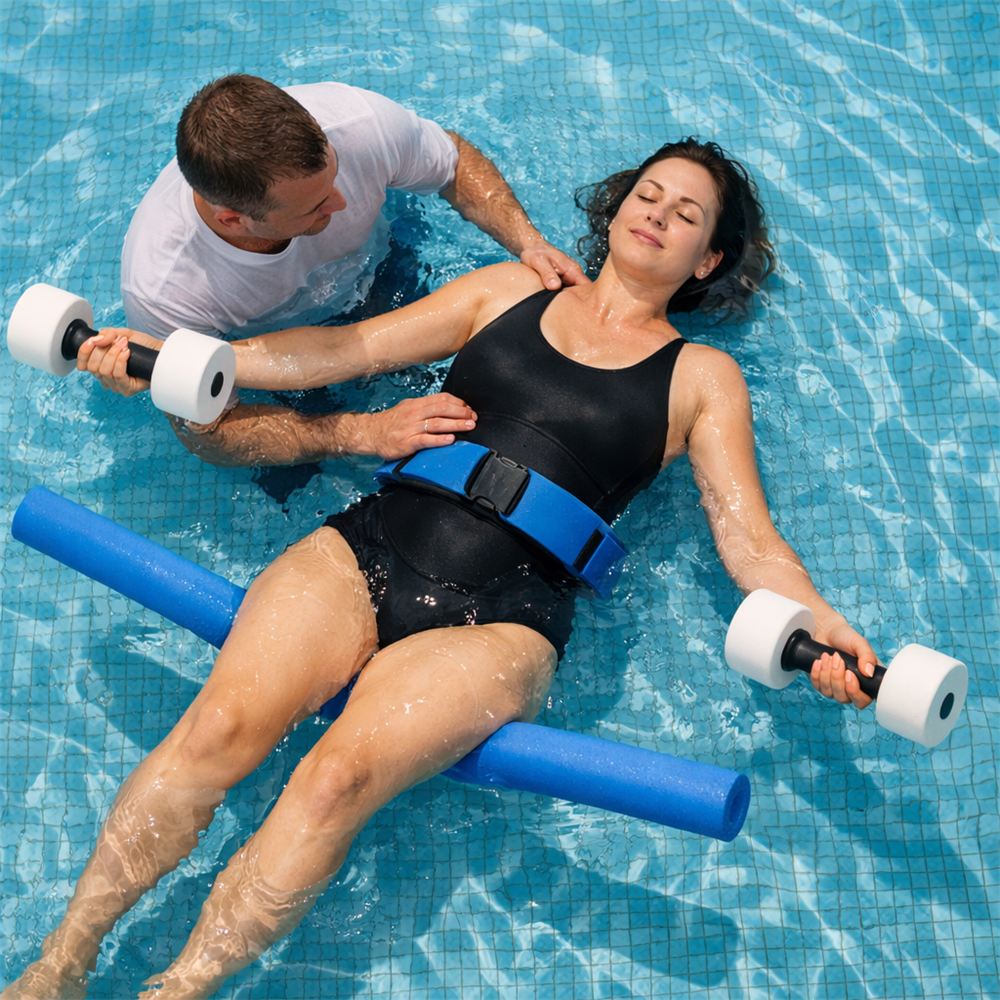
Aquatic physiotherapy in Melbourne
What Is Hydrotherapy?
This guide explains what hydrotherapy involves, the science behind why it works, and who is most likely to benefit from physiotherapist-led hydrotherapy sessions in Melbourne.
Hydrotherapy – also called aquatic physiotherapy – is physiotherapy performed in a heated pool under the guidance of a qualified physiotherapist. It is not the same as swimming laps or general pool exercise. Every session is clinically designed, individually tailored, and supervised by a physiotherapist who monitors your technique, progression, and response to treatment.
The water used in hydrotherapy pools is typically kept at 33-35 degrees Celsius – warmer than a standard swimming pool. This warmth relaxes muscles, reduces pain, and allows a greater range of movement than is usually possible on land.
At Khy Physio, hydrotherapy sessions are delivered at community aquatic facilities across Melbourne including Monash Aquatic Centre, Nunawading Swimming Pool, and Aqualink facilities.
The Science
Why Does Water Make
Physiotherapy More Effective?
Water has three physical properties that make it uniquely suited to rehabilitation:
Buoyancy
Water supports your body weight, significantly reducing the load on joints, muscles, and the spine. In chest-deep water, you bear only around 25% of your normal body weight. This allows movement and exercise that would be painful or impossible on land – making hydrotherapy ideal for people with significant pain, weakness, or weight-bearing restrictions.
Resistance
Water provides gentle resistance in all directions as you move through it. This resistance can be used to build strength and muscle activation without the impact or load of weights or gym equipment. The resistance is also self-regulating – move faster and resistance increases, move slower and it decreases.
Hydrostatic Pressure
The pressure of water on the body improves circulation, reduces swelling, and can decrease pain sensitivity. For people with oedema (fluid retention) in the limbs, this effect alone can provide significant relief.
Together, these properties create a therapeutic environment that simply cannot be replicated on land.
Who It Helps
Who Benefits Most
from Hydrotherapy?
Hydrotherapy is particularly valuable for people who find land-based exercise painful, difficult, or impossible due to their condition.
Osteoarthritis and Joint Pain
For people with hip, knee, or spinal osteoarthritis, the reduced weight-bearing in water allows pain-free movement and exercise that builds strength around the joint without aggravating symptoms. Hydrotherapy is one of the most evidence-supported interventions for osteoarthritis management.
Post-Surgery Recovery
Following hip replacement, knee replacement, or other orthopaedic surgery, hydrotherapy allows early active rehabilitation before full weight-bearing is cleared. Patients can work on range of movement, muscle activation, and gait in water weeks before they could safely do the same on land.
Neurological Conditions
People living with stroke, Parkinson’s disease, multiple sclerosis, or cerebral palsy often respond exceptionally well to aquatic physiotherapy. The buoyancy reduces the risk of falls, the warmth eases muscle stiffness, and the resistance supports strength and coordination work in a safe environment.
Chronic Pain
For people managing fibromyalgia, chronic low back pain, or widespread musculoskeletal pain, hydrotherapy provides a way to exercise and maintain function without triggering or worsening pain. The warm water and hydrostatic pressure often reduce pain levels during and after sessions.
NDIS Participants
Many NDIS participants with physical disabilities benefit significantly from aquatic physiotherapy as part of their capacity building program. Hydrotherapy can support goals around mobility, independence, strength, and community participation. At Khy Physio, we provide NDIS-funded hydrotherapy for eligible participants.
Seniors and Aged Care
Older adults managing multiple conditions, reduced strength, or significant joint pain often find hydrotherapy more accessible and comfortable than land-based exercise. It can also be funded through My Aged Care or a Support at Home program.
Significant Muscle Weakness
For people with very low muscle strength – whether from neurological conditions, prolonged illness, or deconditioning – water’s buoyancy allows active movement and muscle recruitment that gravity would otherwise prevent.
Not sure where to start?
Contact us to discuss which location suits you and to arrange your initial assessment.
In Session
What Happens in a Hydrotherapy Session?
A typical physiotherapist-led hydrotherapy session at Khy Physio involves:
-
01
Before the session
Your physiotherapist will conduct or review an initial assessment to understand your condition, goals, and any contraindications. They will design a session plan specific to your needs.
-
02
In the water
Sessions are usually 30-45 minutes in the pool. Your physiotherapist will be in the water with you or supervising poolside depending on your needs. Exercises are tailored to your goals and may include:
- Walking and gait training in the water
- Range of movement exercises for specific joints
- Strength exercises using water resistance and floatation equipment
- Balance and coordination work
- Relaxation and pain management techniques
-
03
Progression
Your physiotherapist will adjust exercises across sessions as your strength, mobility, and confidence improve. Sessions are documented and progress is tracked against your goals.
Safety First
Is Hydrotherapy Right for Everyone?
Hydrotherapy is not suitable for everyone. It is generally not recommended for people with:
- Open wounds or skin infections
- Uncontrolled incontinence
- Certain cardiac or respiratory conditions (your physiotherapist will screen for these)
- Severe fear of water
Your physiotherapist will conduct a full assessment before beginning hydrotherapy to confirm it is appropriate and safe for you.
Funding
How Is Hydrotherapy Funded?
Hydrotherapy can be accessed through a range of funding pathways:
NDIS
for eligible participants with physical disability goals
My Aged Care / CHSP
for older Australians with entry-level home support
Support at Home
which replaced Home Care Packages in November 2025
DVA
for eligible Gold and White card holders
Private health insurance
many extras policies cover physiotherapy including hydrotherapy
Private payment
available to anyone regardless of funding
If you’re unsure which funding option applies to your situation, our team can help you work through it. For a full overview of physiotherapy funding in Australia, see our guide to physiotherapy funding options.
Where We Deliver
Hydrotherapy Locations in Melbourne
Khy Physio delivers hydrotherapy sessions at the following facilities across Melbourne:
Contact us to discuss which location suits you and to arrange your initial assessment.
Monash Aquatic and Recreation Centre
Wheelers Hill
Nunawading Swimming Pool
Nunawading
Aqualink facilities
multiple locations across Melbourne
Khy Physio provides mobile physiotherapy across Melbourne for older Australians accessing services through My Aged Care and the Support at Home program. If you’d like to find out how we can help, contact our team or call 03 8824 0712. We respond within 24 hours.
Explore More
Related services

Written by
Calvin Yung, Mobile Physiotherapist
Calvin is a mobile physiotherapist at Khy Physio with a special interest in geriatric care, including mobility, balance, falls prevention and recovery after joint replacement. He speaks English, Cantonese and Mandarin. Meet Calvin
Ready when you are
Let’s get you moving.
Book an appointment or call us — we’ll arrange a home visit that suits you, anywhere across Melbourne.