
Article & News
Spinal fusion recovery: home rehab in the weeks and months after surgery
24/11/2026 · Khy Physio
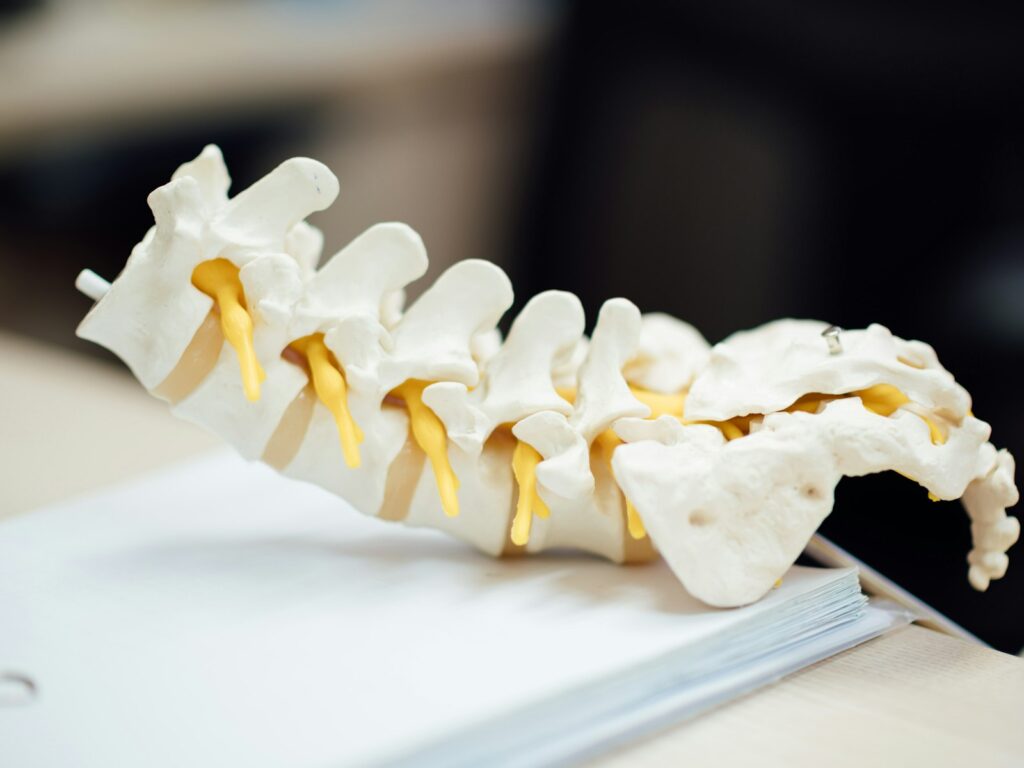
Spinal fusion surgery joins two or more vertebrae so they heal into one solid section. Recovery happens in two ways at once: the bones slowly fuse, and you gradually rebuild your walking, strength and confidence. Spinal fusion recovery at home usually starts with regular short walks and safe ways of moving, then builds towards strengthening and a return to everyday activities over the following months. Your surgeon’s instructions set the pace, and a physiotherapist helps you follow them safely.
This guide explains what the early weeks usually look like, how home rehab progresses, and the warning signs that need urgent attention. It is general information only, not medical advice. Surgeons’ protocols differ, so always follow the specific instructions from your surgical team, and see a health professional about your own recovery.
The short answer
- Your surgeon’s restrictions come first. Ask for them in writing before you leave hospital.
- Walking is usually the first and most important exercise after fusion.
- Learning safe ways to get in and out of bed, sit, stand and dress protects the healing spine.
- Rehab that combines exercise with strategies for fear of movement may reduce disability after lumbar fusion.
- New leg weakness, bladder or bowel changes, or signs of infection need urgent medical attention.
The first weeks at home
Most people go home with some pain, stiffness and tiredness, along with a list of do’s and don’ts. Your surgeon may ask you to limit bending, lifting and twisting for a period, and may give specific advice about sitting, driving and whether you need a brace. These restrictions vary, so check yours rather than relying on general rules.
Useful things to focus on early:
- Short, frequent walks. Start with a few minutes several times a day, indoors if needed, and build gradually.
- Changing position often. Many people find long periods of sitting uncomfortable after fusion. Alternate sitting, standing, walking and lying down.
- Pain relief as prescribed. Taking pain relief as directed by your doctor can make it easier to move, which helps recovery.
- Rest without staying in bed. Rest is important, but long periods in bed can lead to stiffness, weakness and other complications.
Moving safely: bed, chair and dressing
Your physio will teach you ways of moving that keep your spine in line. A common one is the log roll for getting out of bed:
- Lying on your back, bend your knees up one at a time.
- Roll onto your side in one piece, moving your shoulders and hips together, like a log.
- Let your feet and lower legs slide off the edge of the bed.
- At the same time, push up with your arms to bring your body upright into sitting.
- Sit for a moment before standing, to check you are not dizzy.
Reverse these steps to lie down. Other tips:
- Use a firm chair with armrests, at a height that lets you stand without bending forward a long way.
- To stand, shuffle to the front of the chair, keep your back straight, and push up through your legs and arms.
- Equipment such as a raised toilet seat, a long-handled reacher or a sock aid can help you avoid bending. An occupational therapist can advise on what you need.
- Keep everyday items between waist and shoulder height so you are not reaching low or overhead.
Setting up your home before surgery makes these first weeks easier. See our guide to preparing your home for a physiotherapy visit.
How home rehab progresses
As healing progresses and your surgeon clears you, rehab usually moves through these steps:
- Building walking time. Increasing distance and pace gradually, and walking outdoors on different surfaces.
- Gentle trunk muscle activation. Learning to switch on the deep abdominal and back muscles in comfortable positions.
- Leg and hip strength. Exercises such as sit to stand, bridges and step-ups, so your legs do the work instead of your back.
- Movement skills. Practising bending at the hips and knees to pick things up, carrying loads close to the body, and getting up from the floor.
- Returning to activity. Working towards your goals, whether that is gardening, grandchildren, golf or work, when your surgeon agrees.
How you feel about moving matters too. A systematic review of rehabilitation after lumbar fusion found low-quality evidence that “complex rehabilitation”, combining exercise with a cognitive behavioural approach, reduced disability and fear-avoidance compared with usual care. The researchers called for more high-quality studies. In practice, this means your physio will not only give you exercises but also help you understand what is safe, so you can move with confidence rather than fear.
Our post-surgical rehabilitation service brings this program to your home, and what to expect from physiotherapy after hospital discharge explains the first visit.
When to seek urgent help
Contact your surgeon or go to your nearest emergency department straight away if you have:
- new or rapidly worsening weakness, numbness or pins and needles in your legs
- numbness around your bottom, genitals or inner thighs, or new difficulty controlling or passing urine or bowel motions
- a fever, or redness, heat, swelling or discharge from your wound
- severe pain that is not controlled by your prescribed pain relief
- calf pain, swelling or redness, which can be a sign of a blood clot
Call 000 for chest pain or sudden shortness of breath.
Frequently asked questions
How long does it take to recover from spinal fusion?
It varies with the number of levels fused, your age, your health before surgery and the reason for surgery. The bones take months to fuse fully, and many people keep improving over the first year. Your surgeon can give you a more specific guide.
When can I start physio after spinal fusion?
Physiotherapy often starts in hospital, where staff help you get up and walking. Home physio usually begins after discharge, following your surgeon’s protocol.
When can I drive after spinal fusion?
Your surgeon will tell you when it is safe. As a general rule, you need to be able to sit comfortably for the length of the trip, turn to check your blind spots, and brake hard in an emergency, and you should not drive if your medication makes you drowsy. Check with your insurer too.
Is it normal to be scared to move after fusion?
Yes, it is very common. Understanding what your surgeon has cleared you to do, and building up activity gradually with your physio, usually helps confidence grow.
Can I have physio at home after spinal surgery?
Yes. Home visits are useful when you cannot drive or sit in a car for long. A travel fee applies to home visits and depends on your location. Contact our team for the cost to your area.
Recover from spinal fusion at home
If you are preparing for spinal fusion or have recently come home, our physiotherapists can visit you across Melbourne and the Geelong region to guide your recovery. Make a referral or contact our team on 03 8824 0712 to arrange your first visit.

Written by
Calvin Yung, Mobile Physiotherapist
Calvin is a mobile physiotherapist at Khy Physio with a special interest in geriatric care, including mobility, balance, falls prevention and recovery after joint replacement. He speaks English, Cantonese and Mandarin. Meet Calvin