
Article & News
What to bring to hydrotherapy: a practical checklist
15/11/2026 · Khy Physio
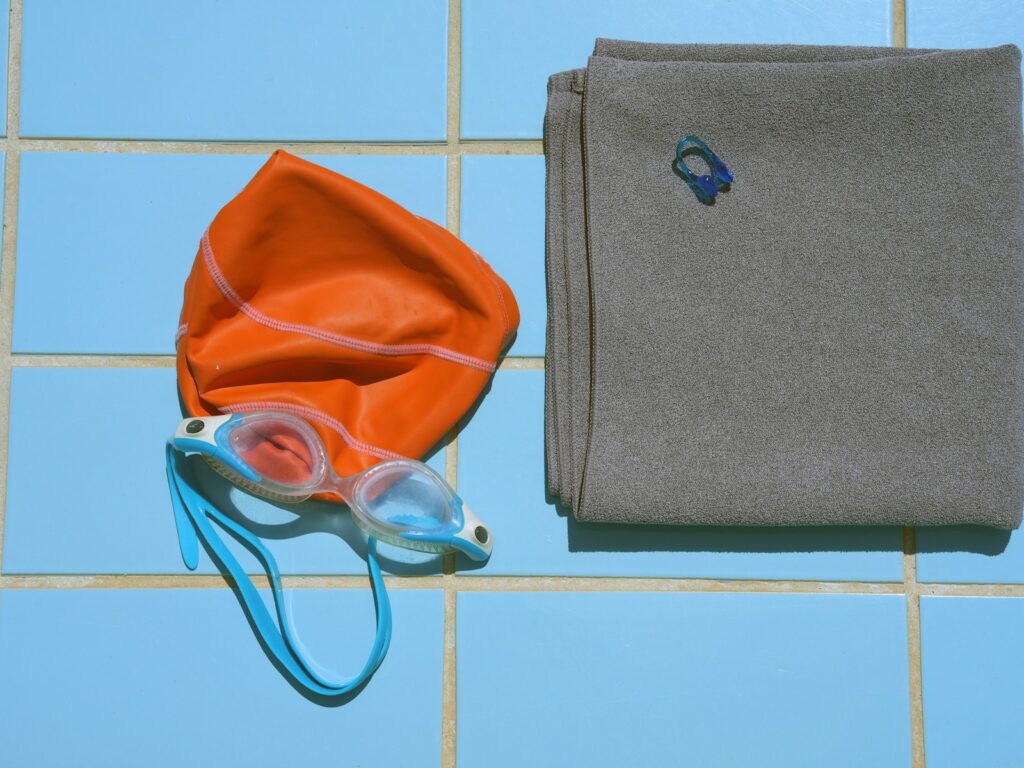
Starting hydrotherapy is exciting, but the first session can raise lots of small practical questions. What should you wear? Do you need special shoes? What if you get cold, or tired afterwards? Knowing what to bring to hydrotherapy, and what to expect before and after, helps you arrive relaxed and get the most out of your time in the water.
This checklist draws on the Australian Physiotherapy Association’s guidelines for aquatic physiotherapy and on how our own hydrotherapy sessions run. It is general information only, not medical advice. Your physiotherapist will assess you before your first session and can advise on anything specific to your health.
The short answer
- Bring your swimwear, a towel and pool-appropriate footwear. Your physiotherapist brings any exercise equipment you need.
- Add warm, easy clothes to change into, a water bottle, and any medicines you might need, such as a puffer or diabetes supplies.
- Shower before and after the session, and avoid talcum powder, shampoo and conditioner in the change rooms, as they make floors slippery.
- Rest if you need to and rehydrate after your session.
- Reschedule if you have an open wound, a skin infection, or have recently had vomiting or diarrhoea.
Your hydrotherapy checklist
- Swimwear. Something comfortable that lets you move freely. Wearing it under your clothes saves time in the change room.
- Towel. A large towel, plus a second small one can be handy for drying off before dressing.
- Pool footwear. Non-slip pool shoes or sandals for the concourse and showers.
- Your usual shoes. If your balance is unsteady, wear your normal supportive shoes to the pool edge and only take them off just before getting in.
- Easy clothes to change into. Loose, warm clothes with few buttons, plus a jumper or dressing gown in cooler months.
- Water bottle. Warm-water exercise can leave you thirsty.
- Medicines you might need. For example, an asthma puffer, angina spray, or your blood glucose meter and hypo treatment if you have diabetes. Your physio may ask you to check your blood glucose before getting in.
- Toiletries without talc. Keep hair products for home if you can.
- A plastic bag for wet swimwear.
- Your walking aid, if you use one.
- A card or cash in case pool entry is payable at the centre. Ask our team what applies to you.
Before you leave home
- Allow plenty of time so you are not rushing on wet floors.
- Go to the toilet before you leave, and again before getting in the pool.
- Check how you feel. If you are unwell, call us before you travel.
- Note any changes. Let your physio know about new medicines, recent falls or changes to your health since your last session.
- Tell your physio about any cuts or wounds before your session, as some wounds mean you should stay out of the pool until they heal.
Before your first session, your physio will complete an assessment on land. The APA aquatic physiotherapy guidelines say all potential clients must have a land-based physiotherapy assessment before entering the water. This is when your physio checks your health, your goals, your confidence in water and how you will get in and out of the pool safely.
At the pool
We run hydrotherapy in warm-water community pools across Melbourne’s inner east, east, north-east and south-east. Common locations include Monash Aquatic Centre, Nunawading Swimming Pool, Aquarena, Aqualink Box Hill, Aqualink Nunawading, Boroondara Sports Complex, Clayton Aquatics and Oakleigh Recreation Centre.
A few safety habits make a big difference:
- Shower first. The APA guidelines include showering before and after pool sessions as part of good pool hygiene.
- Keep your footwear on around the pool and in the showers. It helps with grip and protects against foot infections such as tinea.
- Use the handrails when going in or out by the steps or ramp.
- Sit to dress if your balance is not reliable. A shower chair can help.
Sessions usually run for 30 to 45 minutes in the pool. Depending on your needs, your physio will be in the water with you or supervising from the poolside, and exercises may include walking in the water, range of movement work, strengthening with water resistance and floats, and balance practice. Our guide to what hydrotherapy is and who benefits explains more about how it works.
When to skip or reschedule
Hydrotherapy is not suitable for everyone, or every day. It is generally not recommended if you have:
- open wounds or skin infections
- uncontrolled incontinence
- certain heart or lung conditions, which your physio will screen for
- a severe fear of water.
Stomach bugs can spread easily in pools, and the APA guidelines treat them as an important infection-control issue. If you have had vomiting or diarrhoea, have a new wound, or feel generally unwell, call us to reschedule.
After your session
- Rest and rehydrate. The APA guidelines encourage people to rest if needed and rehydrate after aquatic physiotherapy.
- Take your time getting out. If you feel dizzy or unwell, sit down and tell your physio.
- Shower and dry well, especially between the toes and in skin folds.
- Warm up. Put on warm layers before heading outside, particularly in winter.
- Notice how you feel later. Mention any unusual soreness or tiredness at your next session so your physio can adjust the program.
Frequently asked questions
Do I need to be able to swim?
No. Hydrotherapy is exercise in warm water with a physiotherapist, not swimming laps. Your physio will check your water confidence at your assessment and make sure you are safe in the pool.
Can a carer or support worker come with me?
Yes, and many people find it helpful to have someone help with travel, changing and getting in and out of the pool. If you are an NDIS participant, our guide to NDIS hydrotherapy explains how a support worker may be funded.
Is the pool warm?
Hydrotherapy uses warm-water pools, which are warmer than a standard swimming pool. The APA guidelines note that people with acute pain, arthritis or some neurological conditions benefit from a pool at 34 to 35 degrees Celsius.
How many sessions will I need?
It depends on your goals and how you respond. Your physio will adjust your exercises as your strength, movement and confidence improve, and track your progress against your goals. Once you have learnt a safe routine, your physio may give you a program to practise in the pool on your own between sessions, but only do independent water exercise if your physio agrees it is safe for you.
How is hydrotherapy funded?
Depending on your situation, hydrotherapy can be funded through the NDIS, My Aged Care and CHSP, Support at Home, DVA, private health insurance or private payment. See our hydrotherapy service page for more.
Book your hydrotherapy session
If you would like to try physiotherapist-led hydrotherapy, our team can arrange an assessment and find a pool that suits you. Make a referral or contact our team on 03 8824 0712.

Written by
Calvin Yung, Mobile Physiotherapist
Calvin is a mobile physiotherapist at Khy Physio with a special interest in geriatric care, including mobility, balance, falls prevention and recovery after joint replacement. He speaks English, Cantonese and Mandarin. Meet Calvin