Article & News
Guillain-Barre syndrome recovery: rehabilitation stages, exercise and fatigue
11/11/2026 · Khy Physio
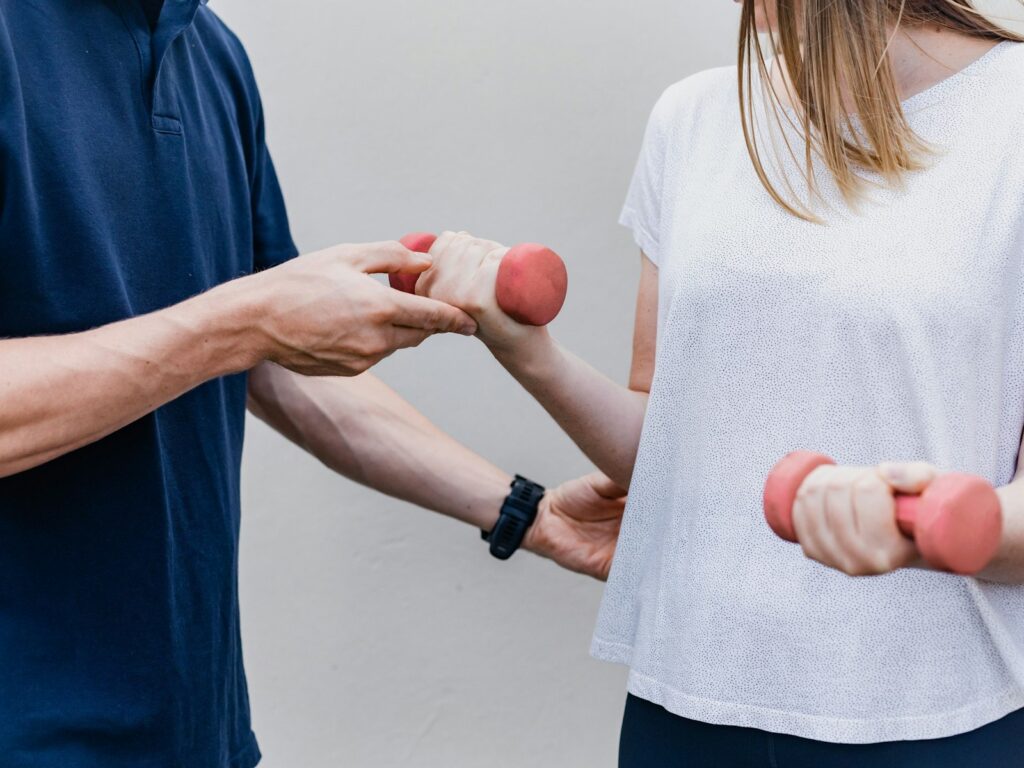
Guillain-Barre syndrome (GBS) can take someone from full health to severe weakness in days or weeks, and the road back is usually much slower than the illness itself. Guillain-Barre recovery often takes months, sometimes years, and rehabilitation is a central part of it. Knowing what to expect at each stage, and how to handle the fatigue that so many people describe, can make that road easier.
This guide explains how GBS affects the body, the usual stages of rehabilitation, how exercise helps, and how to manage fatigue and pain. It is general information only, not medical advice. Your neurologist, GP and rehabilitation team can advise on your own recovery.
The short answer
- GBS is a rare autoimmune condition in which the immune system attacks the nerves outside the brain and spinal cord.
- Improvement is usually greatest in the first year and can continue for more than five years.
- An international guideline reports that 60% to 80% of people with GBS can walk independently six months after the illness began.
- Fatigue affects 60% to 80% of people after GBS, even when their strength has returned.
- Exercise programs that include movement, cycling, walking and strength training have been shown to improve fitness, walking and independence.
What GBS does, and why recovery takes time
Healthdirect describes GBS as a rare autoimmune condition in which your immune system attacks your peripheral nerves, the nerves that run to the face, arms and legs. It usually starts after a viral or bacterial infection. The first symptoms are often weakness or tingling in the legs that can spread to the upper body and arms, and in most cases symptoms peak within the first four weeks.
Most people are treated in hospital early on, so their breathing can be monitored. Treatment may include plasma exchange or immunoglobulin, medicines for pain and to prevent blood clots, and physiotherapy, which healthdirect says should begin as soon as possible. Once the nerves are damaged, they recover gradually, which is why strength and sensation can take many months to return.
The stages of rehabilitation
Every recovery is different, but it often moves through three broad stages.
In hospital
While weakness is at its worst, physiotherapy focuses on positioning, keeping joints moving, supporting breathing and chest clearance, and reducing the risks of lying still, such as blood clots and pressure sores.
Inpatient or early rehabilitation
As strength starts to return, the focus shifts to sitting balance, standing, transfers and early walking, often with aids. Equipment, such as a frame or ankle supports, may help while muscles are weak.
Home and community
Back home, rehab continues with progressive strengthening, walking practice, balance work and building stamina for everyday life, work and hobbies. This stage can last many months. Our guide to physiotherapy after hospital discharge explains how home-based care fits in.
How exercise helps
A globally applicable guideline on GBS (Leonhard et al, 2019) notes that exercise programmes including range-of-motion exercises, stationary cycling, walking and strength training have been shown to improve physical fitness, walking ability and independence after GBS.
A physiotherapist tailors the program to where you are now:
- Strength. Exercises for weak muscle groups, often starting with gravity reduced or with support, and progressing to bodyweight and resistance.
- Walking and balance. Practice on different surfaces, turns and steps, with aids reduced as you improve. If weakness at the ankle is making your toes catch, our article on foot drop physiotherapy covers options.
- Endurance. Gradually longer walks or cycling to rebuild stamina.
- Function. Practising the tasks that matter to you, such as stairs, getting in and out of the car, or returning to work.
The aim is a level that challenges you without leaving you exhausted for days afterwards. Your physio will adjust the load as your strength and energy change.
Managing fatigue
Fatigue is one of the most common and frustrating long-term effects. The Leonhard guideline reports fatigue, unrelated to remaining weakness, in 60% to 80% of people with GBS. Strategies that often help include:
- Pacing. Break tasks into smaller parts and rest before you are exhausted, not after.
- Planning. Spread demanding activities across the week and do the important things when your energy is best.
- Prioritising. Decide what matters most each day, and accept help with the rest for now.
- Gradual build-up. Increase activity in small steps, and hold steady if fatigue flares.
- Talking about it. Tell your GP if fatigue is severe, as other causes such as poor sleep or low mood can add to it.
Pain and changes in sensation
Pain is common after GBS. The guideline reports that at least one in three people still have severe pain a year after the illness began, and it can persist for years. Talk to your doctor about pain management rather than pushing through it.
Numbness or reduced feeling in the feet can make balance harder and lead to unnoticed injuries. Check your feet daily, wear well-fitting shoes, and make sure your home is well lit, especially at night. Healthdirect also notes that psychological distress, including anxiety and depression, can occur during recovery. Support is available, so mention it to your GP.
When to seek urgent help
- If you or someone else is having trouble breathing, call 000 and ask for an ambulance.
- Contact your doctor urgently if weakness or numbness comes back or gets worse after you have been improving. Relapses of GBS are uncommon, occurring in 2% to 5% of people, but they need prompt medical review.
- Seek medical help for difficulty swallowing, choking on food or drink, or calf pain and swelling.
Frequently asked questions
How long does recovery from GBS take?
It varies widely. Improvement is usually most noticeable in the first year, and can continue for more than five years. Healthdirect notes that most people eventually recover fully, even if they were paralysed or needed a ventilator, although some people have lasting symptoms.
Will I walk again?
Many people do. The Leonhard guideline reports that 60% to 80% of people with GBS can walk independently six months after onset. Your rehabilitation team can give you a better sense of your own outlook.
Is it safe to exercise after GBS?
Yes, with guidance. Exercise programs have been shown to help, but the right amount depends on your stage of recovery and your fatigue levels. A physio can set a level that builds you up without setting you back.
Can rehabilitation continue at home?
Yes. Once you are discharged, a home-visiting physio can continue your program in your own surroundings. Our neurological physiotherapy service supports people recovering from nerve and brain conditions.
Support for your recovery at home
If you or a family member are recovering from Guillain-Barre syndrome, our physiotherapists can continue your rehabilitation at home across Melbourne and the Geelong region. Make a referral or contact our team on 03 8824 0712.

Written by
Calvin Yung, Mobile Physiotherapist
Calvin is a mobile physiotherapist at Khy Physio with a special interest in geriatric care, including mobility, balance, falls prevention and recovery after joint replacement. He speaks English, Cantonese and Mandarin. Meet Calvin