
Article & News
Peripheral neuropathy exercises for balance, numb feet and safer walking
21/10/2026 · Khy Physio
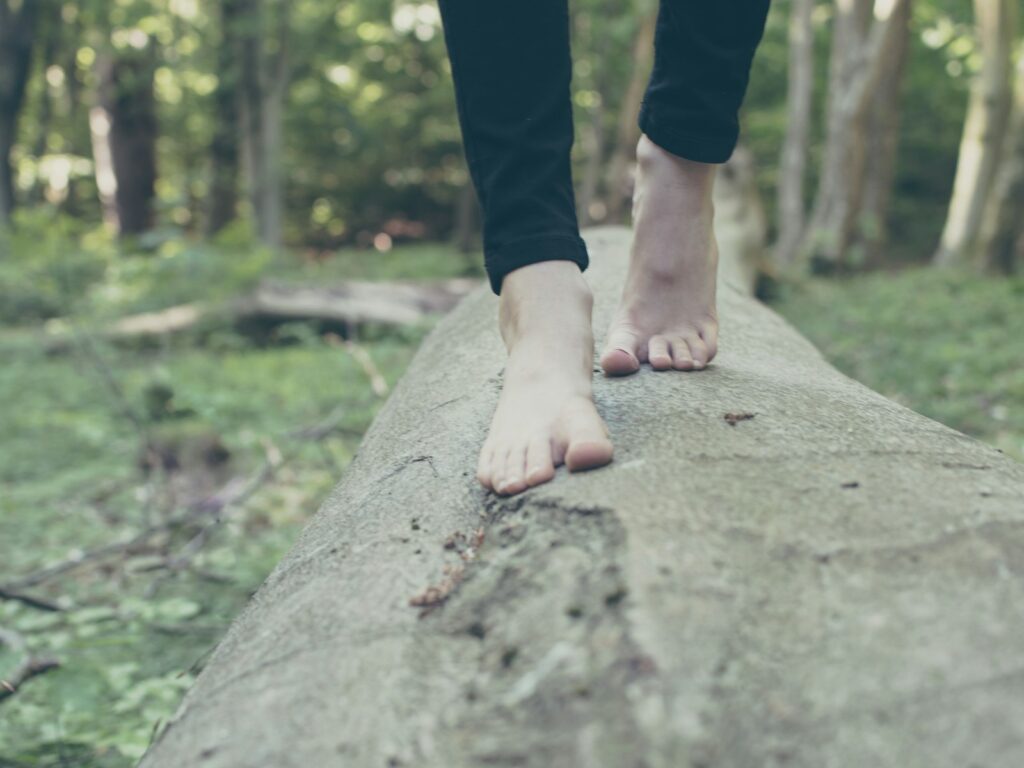
When your feet are numb or tingly, the ground can feel uncertain under you. Peripheral neuropathy reduces the information your feet send to your brain, and that makes balance harder, especially in the dark or on uneven ground. The good news is that balance and strength exercises can help, and simple foot care and footwear habits protect feet that cannot feel as well as they used to.
This guide explains how neuropathy affects balance, walks through exercises a physio commonly uses, and covers foot safety and when to see your doctor. It is general information only, not medical advice. Please talk to your GP, podiatrist or physiotherapist about your own situation.
The short answer
- Peripheral neuropathy is damage to the nerves outside the brain and spinal cord. Diabetes is the most common cause, but there are many others.
- Numb feet make it harder to sense where you are standing, so your balance relies more on your eyes and inner ear.
- A 2024 systematic review found that balance training does seem to improve balance in people with diabetic peripheral neuropathy, although the studies are small.
- Diabetes Australia recommends checking your feet every day and having a thorough foot exam by your GP or podiatrist at least once a year.
- Well-fitting, secure shoes protect numb feet and support your balance.
What is peripheral neuropathy?
According to healthdirect, peripheral neuropathy is damage to the peripheral nerves, the nerves outside your brain and spinal cord. The most common cause is type 1 or type 2 diabetes. Other causes include autoimmune diseases, inherited conditions, some infections such as shingles, chronic kidney disease, thyroid disease, some cancers and cancer treatments, long-term heavy alcohol use, nerve damage from injury or surgery, and some vitamin deficiencies, such as vitamin B12.
Symptoms often start in the toes and feet. You might notice numbness, tingling, burning pain, a feeling of walking on cotton wool, or weakness around the ankles.
Why neuropathy affects your balance
Your balance depends on three systems working together: your eyes, the balance organs in your inner ear, and the sensors in your feet and joints that tell your brain where your body is. Neuropathy dulls that third system. You may notice that:
- Balance is worse in the dark, in the shower with your eyes closed, or when you look up.
- Uneven ground, grass, gravel and thick carpet feel unsteady.
- You watch your feet when you walk.
- Your ankles feel weaker, or your toes catch on steps.
A physio cannot repair the nerves, but they can help your body make better use of the balance systems you have, build strength around your ankles and hips, and make your home and routine safer.
Balance and strength exercises
A 2024 systematic review in Physiotherapy Theory and Practice found that balance training does seem to improve balance outcomes for people with diabetic peripheral neuropathy, though the authors noted the studies were few and of generally low quality. The examples below are commonly used. Do them standing at a kitchen bench with a sturdy chair behind you, and have someone nearby the first few times. Stop if you feel dizzy, if pain is sharp, or if you feel you might fall.
1. Side-to-side weight shifts
- Stand at the bench with your feet hip-width apart, holding on lightly.
- Slowly shift your weight onto your right foot, then back through the middle and onto your left foot.
- Keep your body upright and move from your ankles and hips.
2. Narrow stance
- Stand with your feet close together, holding the bench.
- If you feel steady, lighten your grip to fingertips.
- When that is easy, try one foot half a step in front of the other. Swap feet and repeat.
3. Heel raises
- Hold the bench with both hands.
- Rise slowly up onto your toes, then lower with control.
- This strengthens the calf muscles that help you recover if you sway.
4. Toe raises
- Hold the bench and keep your knees soft.
- Lift your toes and the front of your feet off the floor, keeping your heels down.
- Lower slowly. This helps the muscles that stop your toes catching.
5. Sit to stand
- Sit near the front of a firm chair with your feet flat.
- Lean forward and stand up, using the armrests if needed.
- Pause to find your balance before you move, then sit down slowly.
6. Supported marching
- Hold the bench and march slowly on the spot, lifting each knee a little.
- Look ahead rather than down at your feet if you can.
Your physio may later add harder challenges, such as standing on a cushion or turning your head while you balance. Only try these with guidance.
Protecting feet that cannot feel
When your feet are numb, a small blister or cut can go unnoticed. Diabetes Australia recommends washing, drying and checking your feet every day for redness, swelling, cuts, discharge, splinters or blisters, and seeing your GP or podiatrist at least once a year for a thorough foot exam. These habits help whatever the cause of your neuropathy:
- Look, do not just feel. Use a mirror, or ask someone to check the soles of your feet.
- Check inside your shoes with your hand before you put them on, for stones or rough seams.
- Wear shoes that fit. Diabetes Australia suggests shoes a thumb width longer than your longest toe, with the right width and depth.
- Avoid bare feet and socks alone, indoors and out.
- Test water temperature with your elbow or a thermometer before a bath or shower, and take care with heat packs and heaters, because numb feet may not warn you they are burning.
Making your home safer
Because your eyes do more of the balance work, good lighting matters. Use night lights between the bedroom and bathroom, turn lights on before you walk into a room, and keep walkways clear of rugs and cords. Our guide to falls prevention at home has a room-by-room checklist, and our article on balance exercises for older adults includes more ways to progress.
When to see your doctor
Healthdirect advises seeing your doctor if you have weakness and numbness in your hands or feet, unusual tingling, or pain or burning in your hands or feet. If you are having cancer treatment and notice these symptoms, tell your treating team. Also see your GP or podiatrist promptly if:
- You find a cut, blister or sore on your foot that is not healing, or any redness, swelling, warmth or discharge.
- You have a fall, or you feel your balance getting steadily worse.
Seek urgent medical help, or call 000, if weakness or numbness spreads quickly over hours or days, such as rising up your legs, or if you have trouble breathing or swallowing.
Frequently asked questions
Can exercise reverse peripheral neuropathy?
Exercise is not a cure for nerve damage. It can, however, improve your strength, balance and confidence, which matter a great deal for staying safe and independent. If you have diabetes, healthdirect notes that keeping your blood sugar levels stable reduces the chance of developing neuropathy.
Should I use a walking stick?
Some people find a stick gives useful extra feedback through the hand, especially outdoors. A physio can check whether a walking aid would help you and set it to the right height.
Can I get physio for neuropathy through the NDIS or Medicare?
It depends on your circumstances. People with diabetes or another chronic condition may be eligible for a GP chronic condition management plan, and some people with neuropathy have NDIS plans. Our neurological physiotherapy team can talk you through the options.
Feel steadier on your feet
Our physiotherapists visit homes across Melbourne and the Geelong region to assess balance, strength and falls risk for people living with peripheral neuropathy. Make a referral or contact our team on 03 8824 0712 to book a home visit.

Written by
Calvin Yung, Mobile Physiotherapist
Calvin is a mobile physiotherapist at Khy Physio with a special interest in geriatric care, including mobility, balance, falls prevention and recovery after joint replacement. He speaks English, Cantonese and Mandarin. Meet Calvin