Article & News
Physiotherapy for COPD: Breathing, Exercise and Staying Well at Home
05/10/2026 · Khy Physio
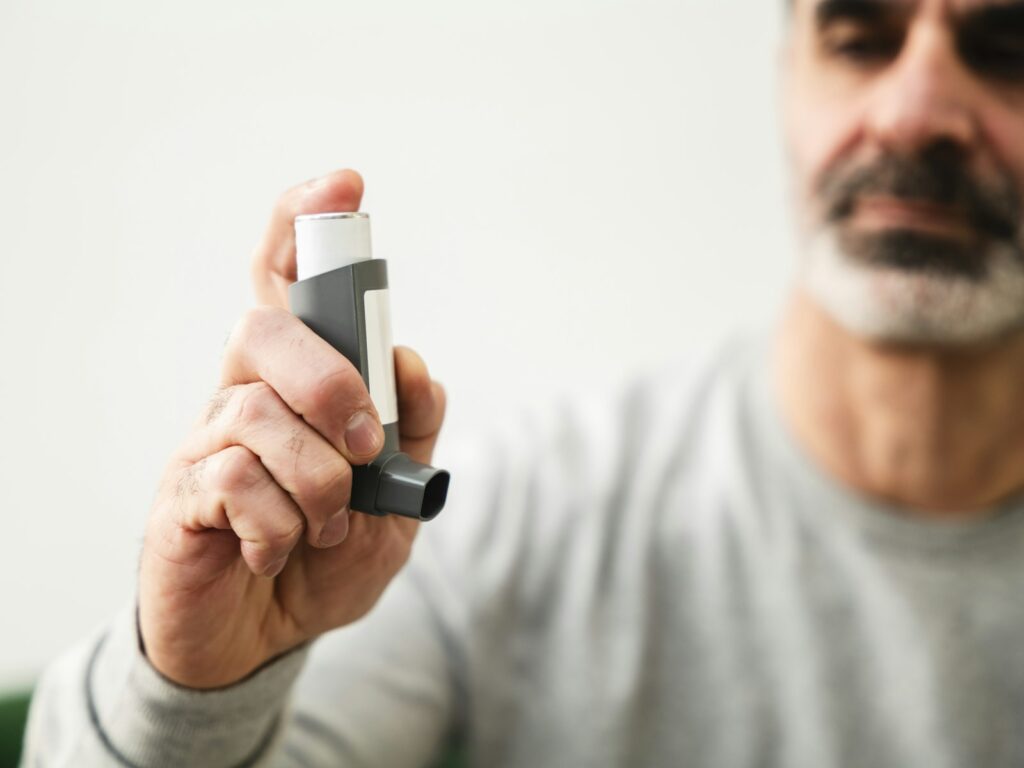
If you live with chronic obstructive pulmonary disease (COPD), getting breathless can make you want to move less. Unfortunately, moving less weakens your muscles, which makes everyday tasks even more tiring. Physiotherapy for COPD helps break that cycle, with breathing techniques to manage breathlessness, exercise to build strength and fitness, and a plan for staying well between flare-ups.
This guide explains pulmonary rehabilitation, breathing techniques you can use at home, how to exercise safely and when to seek help. It draws on information from Lung Foundation Australia. It is general information only, not medical advice. Always follow your own doctor’s advice and your COPD Action Plan.
The short answer
- Pulmonary rehabilitation is a 6 to 8 week program of exercise and education. Lung Foundation Australia describes it as one of the best things you can do to improve your breathing and wellbeing, and it also reduces flare-ups.
- Breathing techniques, recovery positions, pacing and a handheld fan can all help manage breathlessness.
- Lung Foundation Australia suggests aiming for 30 minutes of exercise, 5 times a week, broken into smaller sessions if needed.
- If a flare-up starts, act early and see your doctor quickly. Waiting more than 24 hours doubles your chance of needing hospital.
- A physiotherapist can help with exercise, breathing techniques and staying active at home, alongside your doctor and any rehab program.
COPD and why movement matters
COPD is a long-term lung condition in which the airways become narrower, making breathing harder. Air can also get trapped in the lungs, which adds to the feeling of breathlessness. According to Lung Foundation Australia, around 1 in 13 Australians over 40 have COPD, and almost half of them do not know it yet. While it cannot be cured, many people live with COPD for years and still enjoy a good life.
Breathlessness is the symptom that most often gets in the way. It is natural to avoid activities that make you puff, but Lung Foundation Australia explains that avoiding exercise can weaken your muscles, while exercise strengthens them and reduces breathlessness. People with chronic lung conditions can also use up to 50% more energy than healthy people, which is why pacing and efficient movement matter so much.
Pulmonary rehabilitation
Pulmonary rehabilitation is a program of exercise, education and self-management for people with a chronic lung condition. It usually runs for 6 to 8 weeks and covers:
- increasing your physical function through exercise
- breathing techniques
- using your medications well
- energy conservation, so you can do more with less effort
Programs include tailored exercise prescribed by a physiotherapist or exercise physiologist, with an assessment before and after. Lung Foundation Australia notes that programs are offered in hospitals, in the community, by telehealth and in some cases at home. Talk to your doctor about a referral if you have not done pulmonary rehabilitation, or if it has been a while and your breathing or fitness has changed.
Finishing a program is the start, not the end. The challenge for many people is keeping up the exercise once the classes stop, and that is where ongoing support can help.
Breathing techniques for breathlessness
Feeling breathless can be frightening, but it is not harmful in itself, and it will pass. Lung Foundation Australia’s breathlessness guide recommends a few simple strategies:
- Focus on the out breath. When you are breathless, your lungs are often already full. Breathing out slowly makes room for the next breath.
- Use a recovery position. Lean forward and rest your arms on your thighs, a bench, furniture or a wall. This helps you relax and breathe more easily.
- Pace yourself. Balance activity with rest, slow down when you feel breathless and change how you do tasks to use less energy.
- Do not hold your breath. Rushing through a task while holding your breath only makes you more breathless. Find a breathing rhythm that matches your effort.
- Try a handheld fan. Hold it about 15 cm from your face so you feel the air on your top lip, and move it slowly from side to side.
Practise breathing techniques when you are not breathless, so they come naturally when you need them. A physiotherapist can teach you techniques that suit you, check your positions and help you apply them to real tasks such as showering, climbing stairs and carrying shopping.
Exercise with COPD
Lung Foundation Australia suggests aiming for 30 minutes of exercise, 5 times a week. You can break this into shorter sessions, and the activity should make you a little breathless. Talk to your doctor before starting any new exercise to make sure it is safe for you.
A well-rounded program usually includes:
- Walking, building up distance or time gradually
- Leg strength, such as sit to stand from a chair and step-ups, which make stairs and getting up easier
- Arm strength, which helps with tasks like hanging washing and reaching into cupboards
- Balance, especially if you have had falls or feel unsteady
If standing exercise is hard at first, seated exercises are a good place to start. Our guide to chair exercises for limited mobility has ideas you can build on.
When to stop exercising
Lung Foundation Australia advises stopping and calling 000 if you have signs of a heart attack. Stop and rest straight away if you have dizziness or feel faint, excessive wheezing, extreme pain, coughing up blood, extreme shortness of breath, blurred vision, nausea, palpitations or a racing heart, or chest pain.
Flare-ups: when to seek help
A flare-up is when your COPD symptoms get worse quickly, usually over a few days. It can be triggered by an infection or by things in the air that irritate your lungs. Signs include more coughing, more breathlessness, changes in your phlegm and tiredness. If you notice them, see your doctor quickly and follow your COPD Action Plan.
Lung Foundation Australia says you might need to go to hospital if you have those symptoms and at least one of the following:
- difficulty talking or walking
- difficulty sleeping because of breathlessness
- lips or fingernails turning grey or blue
- a very fast or irregular heartbeat
In an emergency, call 000. After a flare-up, rest, pace your activities and start exercising slowly when you are ready, before returning to your usual routine. If you have been in hospital, our guide to physiotherapy after hospital discharge explains what the first weeks often involve.
How home physiotherapy can help
For some people with COPD, simply getting to appointments is exhausting. Physiotherapy at home removes the travel, and lets your physio work on the tasks that leave you breathless in your own space, such as the stairs, the shower or the walk to the letterbox.
A physio can help you build strength and fitness at a safe level, practise breathing techniques and recovery positions, plan and pace daily activities, and keep exercising after pulmonary rehabilitation ends. Physiotherapists can also teach airway clearance techniques, which the Department of Veterans’ Affairs lists among the treatments physios provide to help reduce lung infections and improve lung function. Your physio should work alongside your GP and respiratory team, not replace them.
Funding options can include a Medicare GP chronic condition management plan (up to 5 allied health services a year, with a physiotherapy rebate of $63.40 from 1 July 2026), Support at Home, where physiotherapy is a clinical support with no contribution, DVA for eligible veterans, and private health insurance extras. See does Medicare cover physio? for how plans work. A travel fee applies to home visits and depends on your location. Contact our team for the cost to your area.
Frequently asked questions
Is it safe to exercise with COPD?
Exercise is recommended for people with COPD because it strengthens muscles and reduces breathlessness. Lung Foundation Australia says supervised programs such as pulmonary rehabilitation are the safest way to exercise with a lung condition. Check with your doctor first, start gently and build up. Feeling a little breathless during exercise is expected.
What is the difference between pulmonary rehab and seeing a physio?
Pulmonary rehabilitation is a structured program, usually 6 to 8 weeks, with exercise and education sessions. A physio can also see you one-on-one to work on your specific goals, help you get ready for a program, or help you keep going once it ends.
Does a handheld fan really help?
Lung Foundation Australia recommends it as a cheap, quiet and portable option. Hold it about 15 cm from your face so you feel the breeze on your top lip.
Who can I call for COPD advice?
Lung Foundation Australia offers a free phone appointment with a respiratory care nurse for people living with COPD or bronchiectasis. Call 1800 654 301. For urgent symptoms, contact your doctor, and in an emergency call 000.
Breathe easier at home
If COPD is making everyday activities harder, physiotherapy at home can help you stay stronger and more confident. We visit homes across Melbourne and the Geelong region. Make a referral or contact our team on 03 8824 0712 to talk about whether home physiotherapy suits you.

Written by
Calvin Yung, Mobile Physiotherapist
Calvin is a mobile physiotherapist at Khy Physio with a special interest in geriatric care, including mobility, balance, falls prevention and recovery after joint replacement. He speaks English, Cantonese and Mandarin. Meet Calvin