
Article & News
Ankle fracture recovery: walking again after the boot or cast
18/11/2026 · Khy Physio
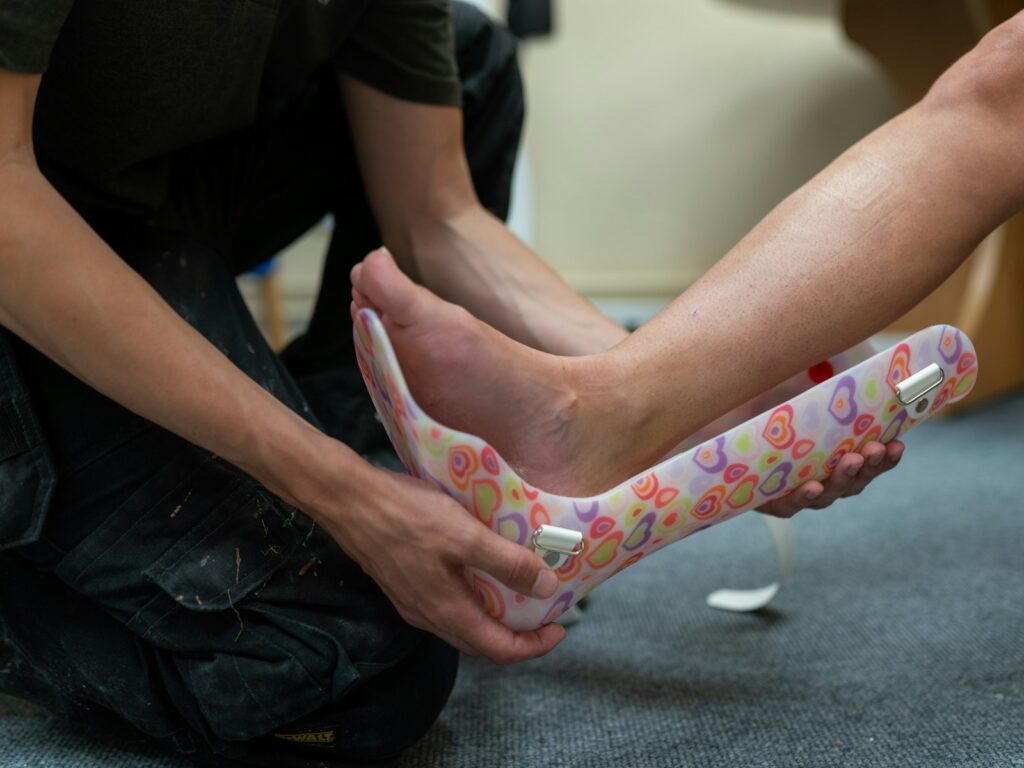
The day the boot or cast comes off can feel like the finish line, but for most people it is really the start of the next stage. Ankle fracture recovery after the boot usually involves three things: getting movement back, rebuilding calf and leg strength, and retraining balance so you can walk confidently again. Stiffness, swelling and a limp are all common at this point, and they usually improve steadily with the right exercises.
This guide covers what to expect, simple exercises your physio may start you on, and the warning signs that mean you should call your doctor. It is general information only, not medical advice. Always follow the instructions from your surgeon or fracture clinic, and see a health professional about your own recovery.
The short answer
- Follow your fracture team’s instructions on how much weight you can put through the leg. This is the most important rule.
- Stiffness and swelling after the boot or cast are normal and usually ease over the following weeks and months.
- Gentle ankle movement, calf strengthening and balance practice are the core of rehab.
- Your walking pattern often needs retraining, because a limp can become a habit.
- Older adults are at higher risk of another fall, so balance work and a safe home matter.
What to expect when the boot or cast comes off
After weeks of protection, the ankle joint is usually stiff and the calf muscles are noticeably smaller. Many people find:
- the ankle swells by the end of the day, especially after being on their feet
- pushing off through the toes feels weak or awkward
- walking has a limp, or they turn the foot out to avoid bending the ankle
- standing on the injured leg alone feels wobbly
- stairs, slopes and uneven ground feel less safe than before
Whether your fracture was treated with surgery or in a cast or boot alone, your fracture team will tell you when the bone can take more load. A 2024 Cochrane review of ankle fracture rehabilitation found that early weight-bearing after surgery may improve outcomes in the first six months, although the difference is likely to be small. The takeaway: do not rush ahead of your team’s advice, but do not stay unnecessarily cautious once you are cleared either.
Managing swelling and stiffness
Swelling is one of the main things that slows people down early on. Simple habits help:
- Rest with the leg raised, ideally with the ankle above the level of your heart, for short periods during the day.
- Keep moving the ankle gently through the day rather than sitting still for hours.
- Build up walking and standing time gradually, and expect some swelling after a busy day.
- Ask your team whether compression stockings are suitable for you.
Exercises your physio may start with
These are common early exercises. Only do them once your team has cleared you to move the ankle, and your physio will adjust them for your fracture. Hold a stable surface such as a kitchen bench whenever you stand, and stop if you feel sharp pain.
1. Ankle pumps
Sit or lie with your leg supported. Point your toes away from you, then pull them back towards you. Move slowly and steadily through the range you have. This helps movement and circulation.
2. Ankle alphabet
Sitting with your leg supported, “write” the letters of the alphabet in the air with your big toe. Keep the movement at the ankle rather than the knee.
3. Seated heel raises
Sit with both feet flat on the floor. Lift both heels, keeping the balls of your feet down, then lower slowly. When this is easy, place your hands on your knees and press down gently for extra resistance.
4. Calf stretch against a wall
Stand facing a wall with your hands on it. Step the injured leg back, keeping the heel down and the knee straight. Lean gently towards the wall until you feel a stretch in the calf. Hold for about 20 to 30 seconds without bouncing.
5. Standing heel raises
Stand at the kitchen bench holding on with both hands. Rise up onto your toes on both feet, then lower slowly. Over time, your physio may progress you to shifting more weight onto the injured side.
6. Balance practice
Stand at the bench with your feet together, holding on lightly. When you are steady, try lifting your fingers off the bench for a few seconds at a time. Later, your physio may progress you to standing on the injured leg alone, still within reach of the bench.
Getting your walking back
Many people keep limping long after the bone has healed, simply because the body gets used to it. Your physio will help you work on:
- Heel to toe walking. Land on the heel, roll through the foot and push off through the toes, taking steps of equal length.
- Weaning off aids. Moving from crutches or a frame to a stick, then to no aid, when you are safe to do so.
- Stairs. Early on, lead with the stronger leg going up and the injured leg going down, holding the rail.
- Real-world surfaces. Practising on your driveway, garden paths and the route you take to the letterbox or car.
For older adults, an ankle fracture is often the result of a fall, and a period of reduced activity can make another fall more likely. It is worth reading our guide to falls prevention at home while you recover.
When to see your doctor
Contact your GP, fracture clinic or surgeon promptly if you notice:
- calf pain, swelling, warmth or redness in the leg, which can be a sign of a blood clot
- pain that is getting worse rather than better, or pain that is severe at rest
- redness, heat, weeping or an opening in a surgical wound, or a fever
- numbness, tingling, or toes that look pale, blue or feel cold
- new deformity, or a sudden inability to put weight through the leg
Call 000 if you have sudden shortness of breath, chest pain or cough up blood, as a clot can travel to the lungs.
Frequently asked questions
How long does it take to walk normally after an ankle fracture?
It varies with the type of fracture, whether you had surgery, your age and your general health. Many people are walking independently soon after the boot comes off, but a normal pattern without a limp, and full confidence on stairs and uneven ground, often takes longer. Your physio can give you a realistic estimate once they have assessed you.
Is it normal for my ankle to still swell months later?
Some end-of-day swelling can persist for months after an ankle fracture. It should gradually improve. If swelling is sudden, painful, or comes with redness and warmth, see your doctor.
Can I do my rehab at home?
Yes. Most ankle rehab uses simple equipment, and practising on your own stairs and paths is a real advantage. If you had surgery, our post-surgical rehabilitation is delivered in your own home.
Will my ankle ever feel the same?
Many people return to their usual activities. Some notice occasional stiffness or aching, particularly in cold weather or after a long day. Keeping up your strength and balance exercises gives you the best chance of a good long-term result.
Get help with your ankle recovery
If you are home from hospital or out of your boot and finding it hard to get moving, our physiotherapists can visit you at home across Melbourne and the Geelong region. Make a referral or contact our team on 03 8824 0712 to arrange an assessment.

Written by
Calvin Yung, Mobile Physiotherapist
Calvin is a mobile physiotherapist at Khy Physio with a special interest in geriatric care, including mobility, balance, falls prevention and recovery after joint replacement. He speaks English, Cantonese and Mandarin. Meet Calvin